All Questions
What Is A Recommended Tip For Putting On Safety Shoes? Protect Your Investment With One Simple Tool
Discover the most effective tip for putting on safety shoes: using a shoehorn to preserve structural integrity, enhance safety, and extend footwear lifespan.
What Should You Consider When Choosing Work Or Safety Shoes? A Guide To Finding The Perfect Fit For Your Job
Learn how to choose work shoes by assessing hazards, analyzing tasks, ensuring a perfect fit, and balancing protection with comfort for long-term safety.
Do All Safety Footwear Options Meet Safety Requirements? Ensure Your Compliance With Certified Ppe
Learn how ASTM and EN ISO standards define true safety footwear. Avoid common pitfalls and ensure your boots meet OSHA requirements for maximum protection.
What Should Customers Consider When Choosing Safety Footwear? A Guide To Perfect Fit & Protection
Learn how to choose safety footwear by analyzing job hazards, ensuring a perfect fit, and balancing protection, comfort, and durability for your needs.
What Are Alloy Safety Toes Made Of? Discover The Lightweight Protection Of Titanium & Aluminum
Learn how alloy safety toes, made from titanium and aluminum, provide ASTM-certified protection while being 30-50% lighter than steel.
What Are The Advantages Of Composite Safety Toes Over Steel Toes? A Guide To Lighter, Safer Work Boots
Compare composite vs steel safety toes. Discover key benefits like lighter weight, thermal insulation, and non-conductive properties for electricians and outdoor workers.
What Materials Are Used In Composite Safety Toes? Discover The Lighter, Non-Conductive Alternative
Learn about composite safety toe materials like carbon fiber and Kevlar, their key benefits of lighter weight and non-conductivity, and how to choose the right toe cap.
What Are The Main Types Of Safety Toes Available For Protective Footwear? Choose The Best For Your Work Environment
Compare steel, composite, and aluminum safety toes. Learn the pros and cons of each type to make an informed decision for your safety footwear needs.
What Is The Overall Importance Of Understanding Safety Footwear Ratings? Ensure On-The-Job Protection
Learn how to decode ASTM F2413 safety footwear ratings (I/75, C/75, EH, PR) to select the right boots for your job hazards and ensure OSHA compliance.
How Do Astm F2412 And Astm F2413 Standards Differ? A Guide To Safety Footwear Compliance
Learn the key difference between ASTM F2412 (test methods) and ASTM F2413 (performance requirements) for safety footwear certification.
What Is The Astm F2412 Standard For Safety Footwear? The Ultimate Guide To Protective Footwear Standards
ASTM F2412 defines the test methods for safety footwear, while ASTM F2413 sets the performance requirements. Learn the difference and how to choose the right protection.
What Is The Ansi Standard For Safety Footwear? It's Now Astm F2413 For Osha Compliance
ANSI Z41 is outdated. Learn about the current ASTM F2413 standard for safety footwear, required by OSHA for workplace safety compliance.
What Are The Responsibilities Of Employers Regarding Safety Footwear Under Osha? Ensure Full Compliance & Protect Your Team
Learn the key OSHA duties for employers: hazard assessment, providing ASTM-compliant footwear, and financial responsibility for required safety shoes.
What Is The Role Of Osha In Relation To Safety Footwear? Ensure Full Compliance For Your Workforce
Learn how OSHA mandates safety footwear compliance via ASTM F2413 standards. Understand employer duties, hazard assessments, and key boot ratings.
What Type Of Safety Shoe Is Recommended For Workers Who Are On Their Feet All Day? Find The Perfect Fit For All-Day Comfort
Discover the best safety shoes for long shifts. Learn why composite toes, ergonomic support, and slip-resistant soles are key to preventing fatigue.
Which Type Of Safety Shoe Is More Suitable For Hot Weather Or Electrical Work Environments? Choose Composite Toe For Superior Protection
Learn why composite toe safety shoes are ideal for hot weather and electrical work, offering non-conductive, heat-resistant protection.
Which Type Of Safety Shoe Is Better For Passing Through Metal Detectors? Choose A 100% Non-Metallic Boot
Discover why a 100% non-metallic safety shoe is essential for passing metal detectors. Avoid hidden metal components and ensure seamless security clearance.
What Is A Nano-Toe? Lighter, Thinner Safety Footwear For Maximum Comfort
Discover nano-toe technology: carbon fiber safety toes that are as strong as steel but significantly lighter, reducing foot fatigue.
What Are The Advantages Of Composite Toe Shoes? Achieve Superior Safety And Comfort
Discover the key benefits of composite toe shoes: lighter weight, non-metallic, non-conductive, and thermal insulation for enhanced safety and comfort.
How Does The Price Of Safety Shoes Vary? From €30 Basics To Specialized Protection
Understand the key factors affecting safety shoe prices, from basic compliance to advanced comfort and specialized ESD protection for specific hazards.
What Are The Main Uses For Safety Shoes? Match Footwear To Your Workplace Hazards
Discover how to choose safety shoes by hazard, not just industry. Learn about impact, slip, and chemical protection for construction, food service, and more.
When Might Protective Or Work Shoes Be More Suitable Than Safety Shoes? A Guide To Choosing The Right Footwear
Learn the key differences between safety, protective, and work shoes. Choose the right footwear based on your specific workplace hazards and comfort needs.
What Additional Protections Are Defined By The En Iso 20345 Norm? Match Footwear To Specific Hazards
Learn about EN ISO 20345's specialized codes (HRO, CI, ESD, SRC) for heat, cold, electrical, and slip resistance to select the right safety footwear.
What Are The Different Categories Of En Iso 20345 Compliant Safety Shoes? A Guide From S1 To S5
Understand EN ISO 20345 safety shoe categories (S1, S2, S3, S4, S5) to choose the right protection against water, punctures, and static electricity.
What Are The Requirements For En Iso 20345 Compliant Safety Shoes? A Guide To S1, S3 & S5 Ratings
Understand EN ISO 20345 safety shoe requirements. Learn the differences between S1, S1P, S2, S3, S4, and S5 ratings for workplace safety.
What Additional Protections Do Safety Shoes Offer Besides Foot Protection? A Guide To Slip, Puncture & Electrical Safety
Explore the full spectrum of safety shoe protections: slip resistance, puncture-proof midsoles, ESD properties, and chemical resistance for workplace safety.
Why Is It Important To Wear Safety Shoes In The Workplace? Protect Your Workforce And Ensure Compliance
Learn why safety shoes are essential PPE for preventing workplace foot injuries, ensuring legal compliance, and boosting productivity.
What Are The Differences Between Safety, Protective, And Work Shoes? Choose The Right Footwear For Your Job's Hazards
Learn the key differences between safety (EN ISO 20345), protective (EN ISO 20346), and work (EN ISO 20347) footwear standards to ensure proper toe protection.
What Are The Main Criteria To Consider When Choosing Safety Shoes? A Guide To Workplace Protection
Learn how to choose safety shoes based on workplace hazards, safety certifications (ASTM/CE), and material construction for optimal protection and comfort.
What Materials Are Used In Non-Steel Safety Toes? A Guide To Lighter, Safer Footwear
Explore composite and alloy safety toe materials like carbon fiber & titanium. Learn their benefits for weight, insulation, and electrical safety.
What Types Of Safety Toe Boots Are Available? Find The Perfect Fit For Your Job's Hazards
Compare steel, composite, and alloy safety toe boots. Learn the pros, cons, and best applications for each type to make an informed choice.
What Additional Feature Is Important For Landscapers' Protective Footwear? Essential For All-Weather Work
Discover why waterproofing is the most critical feature for landscaper boots, preventing blisters and ensuring foot health in wet conditions.
What Features Should Manufacturing Workers Consider For Comfort In Their Protective Footwear? Prioritize Support & Safety
Discover essential comfort features for work boots: superior shock absorption, proper arch support, and a biomechanically correct design for all-day wear.
Why Is Protective Footwear Necessary In The Manufacturing Industry? Essential For Worker Safety And Compliance
Discover why protective footwear is critical in manufacturing to prevent crushing, punctures, and chemical exposure, ensuring workplace safety and compliance.
What Are The Characteristics Of Composite Toe Protection In Work Boots? Lightweight & Non-Conductive Safety
Discover the key traits of composite toe boots: lightweight design, non-conductive for electrical hazards, and ASTM-certified protection.
What Are The Osha Recommendations For Wearing Protective Footwear? A Legal Guide To Workplace Foot Safety
OSHA mandates protective footwear for workplace hazards. Learn the legal requirements, hazard assessments, and ASTM standards for compliance.
What Factors Should Employers Consider When Selecting Safety Footwear? A Guide To Workplace Safety
Learn how to choose the right safety footwear based on hazard assessment, key features, and compliance standards to protect your workforce effectively.
What Industries Commonly Require Protective Footwear? Essential Foot Safety For High-Risk Sectors
Discover the key industries and hazards requiring protective footwear. Learn how to choose the right safety boots for construction, manufacturing, and more.
What Are The Osha Requirements For Safety Footwear? A Guide To Compliance & Astm Standards
Learn OSHA's 29 CFR 1910.136 safety footwear rules, how ASTM F2413 standards protect against impact, puncture & electrical hazards, and ensure compliance.
What Is The Importance Of Safety Shoes In Ppe? Protect Your Workforce From Costly Injuries
Discover why safety shoes are a critical PPE component, offering protection from impact, punctures, slips, and electrical hazards to prevent workplace injuries.
What Safety Standards Must All Protective Toe Types Meet? Ensuring Osha & Astm F2413 Compliance
Learn about ASTM F2413 safety standards for protective toe caps. Understand impact (I/75) and compression (C/75) ratings required for OSHA compliance.
When Should A Safety Toe Be Replaced? A Guide To Proactive Footwear Safety
Learn the critical signs for replacing safety toe boots, from the 'one-and-done' impact rule to wear indicators like tread loss and structural damage.
What Are Some Misconceptions About The Weight Differences Between Safety Toe Materials? The Truth About Heavy Boots
Debunking the myth that safety toe material determines boot weight. Learn why overall construction matters more than steel vs. composite toes.
What Are The Advantages Of Composite And Carbon Composite Toes? Unlock Lighter, Safer Footwear
Discover the key benefits of composite safety toes: 30% lighter weight, superior thermal insulation, and non-conductive for electrical safety.
What Types Of Midsoles Are Available In These Boots? Choose Between Steel Or Non-Metallic Protection
Discover the key differences between steel and non-metallic midsoles in boots, including cushioning materials like EVA and PU for optimal comfort and safety.
What Makes These Boots Suitable For Sensitive Electronic Environments? Esd Protection Explained
Learn how ESD-safe boots prevent static discharge, protect sensitive electronics, and integrate into a complete grounding system for safety.
What Are The Benefits Of The Insulating Components In Women's Safety Toe Work Boots? Achieve Comfort And Safety In Extreme Cold
Learn how insulation in women's safety toe boots regulates foot temperature, enhances focus, and works with composite toes for superior cold-weather protection.
How Do Women's Safety Toe Work Boots Protect Against Foot Injuries? A Complete Guide To Workplace Foot Safety
Learn how women's safety toe boots protect against impact, compression, punctures & slips. A guide to steel vs. composite toes & key safety features.
What Is The Importance Of Safety Equipment In The Workplace? Boost Safety & Productivity
Discover why safety equipment is vital for protecting workers, ensuring compliance, and boosting business productivity by minimizing workplace accidents.
What Are The Different Types Of Safety Toes? Choose The Right Protection For Your Job
Compare steel, composite, and alloy safety toes. Learn the pros and cons of each for weight, conductivity, and fit to meet your work environment's needs.
What Should Be Considered When Making The Final Decision On Work Shoes? A Guide To Perfect Fit And Safety
Learn key factors for choosing work shoes: safety features, fit, durability, and comfort. Ensure your footwear meets job demands.
Why Are Certifications Important For Work Shoes? Your Only Proof Of Protection
Learn why work shoe certifications like EN ISO 20345 are critical for verified safety against impacts, slips, punctures, and electrical hazards.
What Do Common Markings On Work Shoes Indicate? Your Guide To Decoding Safety Footwear
Learn what P, SRC, M, and other work shoe markings mean. Match the right safety footwear to your job's hazards for maximum protection.
How Can The Lifespan Of Work Shoes Be Extended? A Proactive Maintenance Guide
Extend your work shoe's life with key tips: rotation, cleaning, and proper storage. Protect your investment in safety and comfort.
How Should Work Shoes Fit Properly? Achieve All-Day Comfort And Prevent Injury
Learn the key principles of proper work shoe fit, including the thumb's width rule and heel security, to boost comfort and productivity.
What Are The Differences Between Work Shoes And Safety Shoes In Terms Of Standards? A Guide To En Iso 20345 Vs. 20347
Learn the key differences between EN ISO 20345 safety shoes and EN ISO 20347 work shoes, including toe cap requirements and safety ratings.
What Are The Key Features To Look For In Work Shoes? Find The Perfect Balance Of Safety & Comfort
Discover essential work shoe features: certified toe protection, slip-resistant soles, and proper arch support for all-day safety and comfort.
What Role Does Material Play In Work Shoes? Choose The Right System For Safety & Comfort
Learn how upper, midsole, and outsole materials determine work shoe safety, durability, and comfort for your specific job demands.
How Does Comfort Factor Into Selecting Work Shoes? Ensure Safety And Reduce Fatigue
Learn why comfort is a critical safety feature in work shoes, preventing injuries and ensuring compliance for long-term health and productivity.
What Are The Key Safety Considerations When Choosing Work Shoes? A Guide To Matching Hazards & Footwear
Learn how to choose work shoes by matching safety features like steel toes, slip resistance, and EH ratings to your specific job hazards for maximum protection.
Why Are Work Shoes Important Beyond Being A Fashion Accessory? Essential For Safety & Performance
Discover why work shoes are critical PPE, preventing injuries, reducing fatigue, and ensuring compliance for long-term safety and job performance.
What Types Of Safety Toe Boots Are Available For Different Job Requirements? Choose The Right Protection For Your Work
Explore steel, composite & alloy safety toe boots. Find the best match for your job's impact resistance, weight, and environmental needs.
Which Organizations Set The Standards For Safety Footwear? Your Guide To U.s. & Global Compliance
Learn about ASTM, OSHA, and international standards for safety footwear. Ensure your boots meet the right specs for maximum workplace protection.
What Are The Consequences Of Not Wearing Safety Boots? Protect Your Finances And Career
Learn the severe financial, legal, and professional risks of ignoring safety boot requirements, from denied insurance claims to job termination.
What Materials Are Used In A Safety Boot Toe Box? Steel, Composite, Or Alloy?
Compare steel, composite, and alloy safety toe materials. Learn which is best for your job based on protection, weight, and conductivity.
What Are The Characteristics Of Alloy Toe Safety Shoes? Superior Protection With Maximum Comfort
Explore the key features of alloy toe safety shoes: lightweight alloy materials, ASTM-certified protection, and enhanced comfort for long work shifts.
What Are The Main Types Of Safety Toes? Choose The Right Protection For Your Job
Compare steel, alloy, and composite safety toes. Learn the key differences in weight, cost, and conductivity to select the best option for your work environment.
What Is The General Recommendation For Both Steel And Composite Safety Footwear After A Significant Impact? Replace Immediately For Safety.
Learn why steel and composite safety boots must be replaced after a single impact, even with no visible damage, to ensure worker protection.
Why Should Composite Safety Shoes Be Replaced After A Significant Impact? The Invisible Danger Explained
Learn why composite safety toes must be replaced after a major impact, even if they look fine, due to invisible internal damage that compromises protection.
How Do Composite Safety Shoes React To Impact Compared To Steel Toed Shoes? A Guide To Choosing The Right Protection
Compare composite vs steel toe safety shoes: impact response, weight, conductivity. Learn which is best for your work environment and safety needs.
What Is A Significant Advantage Of Composite Safety Shoes In Workplaces With Metal Detectors? Unlock Uninterrupted Access And Efficiency
Discover how 100% metal-free composite safety shoes streamline security checkpoints, avoid alarms, and boost workplace efficiency and safety.
How Does The Protective Capability Of Composite Safety Shoes Compare To Steel Toed Boots? Choose The Right Protection For Your Job
Compare composite vs. steel toe safety shoes: both meet ASTM/OSHA standards, but differ in weight, conductivity, and durability for specific work environments.
What Materials Are Used In Composite Safety Footwear? Choose The Right Protection For Your Work Environment
Discover the common materials in composite safety shoes, from carbon fiber toe caps to rubber outsoles, and how to select the best for your needs.
What Additional Specifications Should Be Considered When Choosing Safety Toe Boots? Match Your Boot To Your Job's Hazards
Go beyond the safety toe. Learn how to select boots with the right ASTM ratings (EH, PR, SR) and materials for your specific work environment and risks.
How Should Safety Toe Boots Be Maintained? Essential Steps For Longevity & Protection
Learn the daily, weekly, and as-needed maintenance routine for safety toe boots to preserve their structural integrity and safety ratings.
What Tips Can Help Ensure Safety Toe Boots Fit Correctly? Achieve Optimal Protection & Comfort
Learn essential tips for a perfect safety boot fit: proper measurement, heel lock, toe box space, and more for maximum safety and comfort.
What Are The Osha And Astm Standards For Safety Toe Boots? Ensure Your Footwear Is Fully Compliant
Learn the key differences between OSHA 1910.136 and ASTM F2413 standards for safety toe boots, including impact, compression, and metatarsal protection.
Why Is Proper Fit Crucial For Safety Toe Boots? Avoid These Hidden Hazards
Learn how an ill-fitting safety boot compromises protection, creates new injury risks, and leads to fatigue. Ensure your boots fit correctly.
How Should Safety Toe Boots Fit In Terms Of Toe Length? Achieve Maximum Comfort And Protection
Learn the thumb's width rule for safety toe boot fit. Ensure proper toe space for comfort, prevent injury, and accommodate foot swell.
Why Is Comfort Important In Safety Toe Boots? Boost Worker Safety And Productivity
Discover why comfort is critical for safety toe boot compliance. Learn how it reduces fatigue, prevents injury, and ensures all-day protection.
How Can You Determine The Right Safety Toe Boot For Your Workplace? Match Boots To Hazards
Learn how to select the right safety toe boot by consulting your employer's safety plan and matching boot features to specific job hazards.
What Are The Risks Of Wearing The Wrong Safety Toe Boot? Avoid Catastrophic Injury & Chronic Pain
Learn the critical risks of ill-fitting safety boots, from failure to protect against workplace hazards to long-term physical discomfort and injury.
What Standards Must Safety Toe Boots Meet? Ensure Your Footwear Meets Astm F2413
Learn about ASTM F2413, OSHA 1910.136, and EN ISO 20345 standards for safety toe boots to ensure workplace foot protection compliance.
What Are The Different Types Of Safety Toe Boots Available? Choose The Right Protection For Your Job
Compare steel, composite, and alloy safety toes. Learn the pros, cons, and best applications for each type to meet your work environment's needs.
Why Is Choosing The Right Safety Toe Boot Important? Protect Your Feet And Prevent Injury
Learn why the right safety boot fit is crucial for workplace safety, preventing pain, and matching features to specific job hazards for optimal protection.
What Should You Consider Regarding The Safety Features And Limitations Of Work Footwear? Match Your Boots To Your Job Hazards
Learn how to select work footwear by assessing hazards like impact, puncture, and electrical risks. Choose the right features for maximum safety.
Why Is Appropriate Work Footwear Important On Job? Essential Guide To Safety & Compliance
Discover how proper work footwear prevents injuries, boosts productivity & ensures compliance. Essential PPE for construction, manufacturing & more.
What Are The Features Of Slip-On Work Shoes? Prioritize Convenience & Safety For Your Team
Explore slip-on work shoe features: laceless design for speed, safety options like steel toe, and how to choose the right fit for your job.
What Are The Characteristics Of Strap-Closure Work Shoes? Speed, Convenience, And Key Trade-Offs
Explore the defining traits of strap-closure work shoes, including their fast hook-and-loop design, ideal use cases, and limitations compared to laced shoes.
How Do You Interpret Astm Safety Shoe Ratings? A Guide To Matching Footwear To Your Job's Hazards
Learn to decode ASTM F2413 safety shoe ratings for impact, compression, electrical hazard, and puncture resistance to ensure workplace safety.
What Are The Pros And Cons Of Lace-Up Work Shoes? Maximize Safety Vs. Convenience
Explore the trade-offs of lace-up work shoes: superior adjustable fit for stability vs. the inconvenience of tying laces.
What Standards Govern Safety Footwear Ratings? Decode Astm, En Iso & Csa For Your Safety
Learn the key safety footwear standards (ASTM F2413, EN ISO 20345, CSA Z195) and how to decode their hazard protection ratings for workplace safety.
How Does The Lacing System Affect Work Shoes? Secure Fit, Stability & Safety
Discover how a work shoe's lacing system impacts comfort, stability, and safety. Learn to choose the right system for your job demands.
What Are Common Styles Of Safety Shoes? Find The Perfect Fit For Your Job
Explore the 4 main styles of safety footwear: boots, sneakers, slip-ons, and clogs. Learn which is best for your work environment and hazards.
What Are The Advantages Of Mesh Work Shoes? Boost Comfort And Reduce Fatigue
Discover the key benefits of mesh work shoes: superior breathability, lightweight flexibility, and enhanced comfort for low-risk work environments.
What Workplace Hazards Indicate The Need For Safety Shoes? Identify Risks To Protect Your Workforce.
Learn about key workplace hazards like impact, puncture, electrical, and slip risks that require certified safety footwear to prevent serious foot injuries.
What Are The Features Of Vegan/Synthetic Leather Work Shoes? A Guide To Cost-Effective & Ethical Footwear
Explore the key features of vegan leather work shoes: affordability, low maintenance, water resistance, and a cruelty-free design for various industries.
What Are Chemical-Resistant Shoes And What Industries Require Them? Essential Ppe For Hazardous Workplaces
Learn about chemical-resistant footwear, key materials like PVC and neoprene, and the industries like labs and manufacturing that require them.
What Are The Characteristics Of Genuine Leather Work Shoes? Uncover The Truth About Durability And Cost.
Learn the pros and cons of genuine leather work shoes, including their affordability, appearance, and critical limitations in durability.
Which Professions Are Ideal For Certain Types Of Work Shoes? Match Features To Your Job's Hazards
Discover how to choose the right work shoes by matching safety features like steel toes, slip-resistance, and ankle support to your profession's specific risks.
Related Products

Advanced KPU Athletic Safety Shoe with Steel Toe Cap Anti-Slip Rotary Lacing System
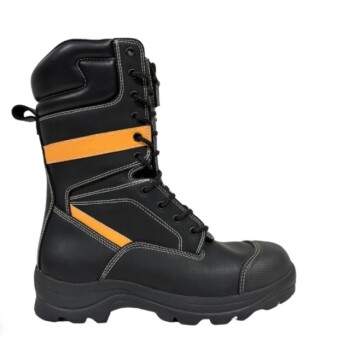
Premium Flame-Retardant Waterproof Safety Boots and Shoes
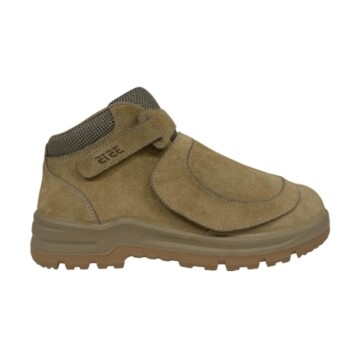
Premium Suede Metatarsal Guard Safety Boots Work Shoes

Premium KPU Athletic Safety Shoes for Wholesale

Premium Wheat Nubuck Safety Shoes for Bulk Distribution
