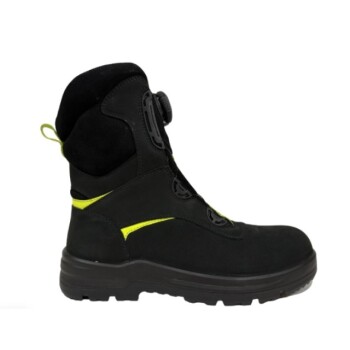
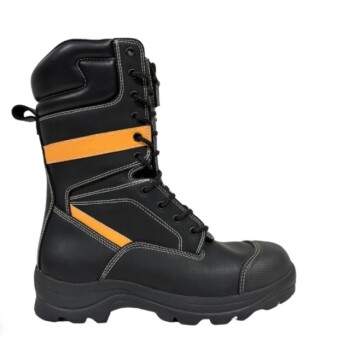
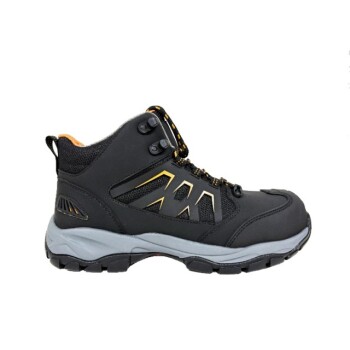
Safety equipment serves as the primary preventive measure in hazardous work environments, playing a decisive role in reducing the frequency and severity of occupational injuries and illnesses. Beyond acting as a physical shield, it ensures regulatory compliance and safeguards organizational productivity by minimizing accident-related downtime.
While often viewed merely as a compliance checklist, the true value of safety equipment lies in its dual ability to preserve human well-being and protect business viability by minimizing costly interruptions and liability.
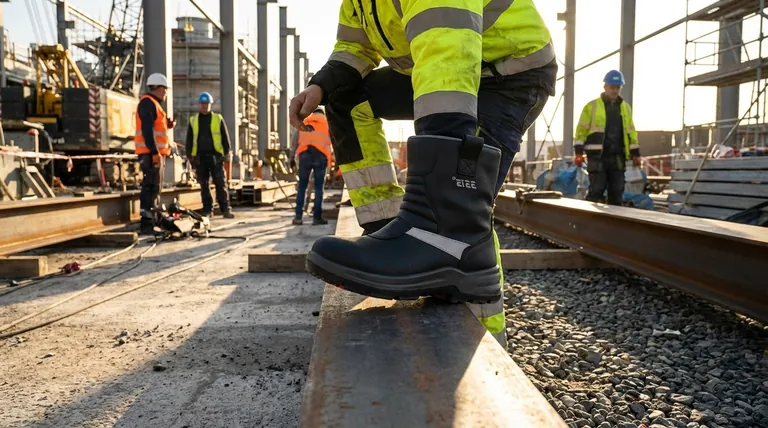
The Mechanics of Hazard Mitigation
To understand the importance of safety equipment, you must look at how it interacts with specific workplace risks.
Protection Against Physical Trauma
In many industrial settings, the risk of impact injuries is high. Safety gear, particularly footwear, is designed to protect against falling objects and compression injuries.
Data indicates that 7% of workplace accident injuries involve the feet. Proper equipment provides a hard barrier between the worker and heavy machinery or loose materials.
Preventing Slips and Falls
One of the most common workplace hazards is the loss of traction. Slip-resistant gear is essential in environments with wet, oily, or slippery surfaces, such as kitchens or manufacturing plants.
Without this specific traction, workers face severe consequences ranging from minor bruises to major accidents. This equipment essentially stabilizes the workforce, allowing safe movement through volatile environments.
Shielding Against Environmental Risks
Beyond physical impact, safety equipment creates a defense against invisible or liquid hazards. This includes protection from electrical shocks, sharp objects, and chemical spills.
By isolating the worker from these elements, the equipment prevents immediate acute injuries and long-term health complications.
The Business Implications of Safety
The decision to utilize safety equipment extends beyond physical health; it is a critical business calculation.
Regulatory Compliance and Liability
Employers are legally mandated to provide, maintain, and replace necessary safety gear. Labor inspections can result in severe sanctions for employers who fail to provide suitable equipment.
Furthermore, the correct usage of gear significantly reduces the likelihood of costly workers' compensation claims. It acts as an insurance policy against legal and financial exposure.
Enhancing Productivity
There is a direct link between worker safety and operational efficiency. When workers feel protected, they can perform tasks with greater confidence and speed.
Conversely, accidents cause immediate work stoppages. By preventing injuries, safety equipment ensures operational continuity and maintains a steady workflow.
Understanding the Trade-offs
While safety equipment is vital, simply purchasing gear is not enough. There are common pitfalls in selection and implementation that can undermine its effectiveness.
The Balance of Safety vs. Comfort
A common mistake is prioritizing maximum protection ratings without considering wearability. If equipment is uncomfortable, employees may avoid wearing it or suffer from fatigue.
For example, selecting safety footwear requires balancing safety ratings with comfort. Discomfort can distract workers, paradoxically leading to lower productivity or new ergonomic injuries.
The Complexity of Ratings
Not all equipment covers all risks. A piece of gear certified for impact protection may offer zero protection against chemical spills.
You must understand safety ratings and certifications to make informed decisions. Relying on generic equipment without verifying it against your specific site hazards creates a false sense of security.
Making the Right Choice for Your Goal
To maximize the benefit of safety equipment, align your selection strategy with your specific operational needs.
- If your primary focus is Regulatory Compliance: Ensure all provided gear meets specific industry certifications and labor inspection standards to avoid legal sanctions.
- If your primary focus is Cost Reduction: Invest in high-quality, durable equipment to lower long-term expenses related to replacement and workers' compensation claims.
- If your primary focus is Workforce Productivity: Prioritize ergonomic designs and comfort to reduce fatigue and ensure employees consistently wear their gear without impeding their movement.
A proactive investment in the right safety equipment is the foundation of a resilient, efficient, and legally secure organization.
Summary Table:
| Key Aspect | Importance of Safety Equipment |
|---|---|
| Worker Protection | Shields against physical trauma, slips, falls, and environmental hazards. |
| Business Benefits | Ensures regulatory compliance, reduces liability, and enhances productivity. |
| Key Considerations | Balance safety ratings with comfort and understand specific certifications for your hazards. |
Protect your workforce and your business with the right safety footwear.
As a large-scale manufacturer, 3515 produces a comprehensive range of high-quality, certified safety shoes and boots for distributors, brand owners, and bulk clients. Our footwear is engineered to meet the highest safety standards while ensuring all-day comfort, helping you reduce accidents, maintain compliance, and boost productivity.
Contact us today for a consultation and discover how our production capabilities can meet your specific safety needs.
Visual Guide

Related Products
- Advanced KPU Athletic Safety Shoe with Steel Toe Cap Anti-Slip Rotary Lacing System
- Premium High-Cut Waterproof Safety Boots Manufacturing & Wholesale Solutions
- Heavy-Duty Waterproof Nubuck Safety Boots Safety Shoes for Bulk Supply
- Premium Flame-Retardant Waterproof Safety Boots and Shoes
- High Performance Fire-Retardant Waterproof Safety Boots
People Also Ask
- What are the key differences between steel toe and composite toe caps? Choose the Right Safety for Your Job
- What impact do steel toe caps have on toe skin health? Prevent Friction and Pressure in Your Safety Shoes
- What are the primary protective functions of safety shoes with steel toes in the automotive repair industry?
- What type of safety shoe is recommended for workers exposed to heavy machinery? Steel Toe Boots for Ultimate Protection
- How does defining specific friction interface models in FEA assist in predicting safety shoe toe cap failure modes?