All Questions
What Are The Differences Between Water-Resistant And Waterproof Work Shoes? Choose The Right Protection For Your Job
Learn the key differences between water-resistant and waterproof work shoes to ensure comfort and safety in your specific work environment.
What Are The Disadvantages Of Certain Work Shoe Materials? Avoid Costly Safety Failures
Learn the key disadvantages of materials like synthetic mesh and canvas in work shoes, including poor durability and inadequate hazard protection.
What Are Electrical Hazard Protection Shoes And Where Are They Used? Essential Ppe For Electrical Safety
Learn about EH-rated safety shoes: how they protect against electrical shocks, key standards, and their critical applications for electricians and engineers.
Why Might Mesh Be Used In The Upper Material Of Work Shoes? For Lightweight, Breathable Comfort
Discover the key benefits of mesh work shoe uppers: superior breathability, enhanced flexibility, and weight reduction for all-day comfort.
What Are The Benefits Of Rubber As An Upper Material For Work Shoes? Superior Protection For Wet & Demanding Jobs
Discover the key advantages of rubber work shoe uppers: unmatched waterproofing, superior flexibility, and excellent durability for demanding environments.
What Are The Main Features Of Safety Shoes? Essential Protection For Your Workplace
Explore the key features of safety shoes: reinforced toe caps, slip-resistant soles, and puncture-resistant midsoles for maximum workplace foot protection.
How Does Vegan Leather Compare To Genuine Leather In Work Shoes? Choose The Right Material For Your Job
Compare vegan vs. genuine leather for work shoes: durability, comfort, breathability, cost, and maintenance. Make an informed choice for your needs.
What Are The Key Features Of Genuine Leather Work Shoes? Understand The Trade-Offs For Your Work
Learn the pros and cons of genuine leather work shoes, including durability, cost, and maintenance, to make an informed footwear choice.
What Is The Purpose Of Safety Toes In Work Shoes? Your Essential Guide To Foot Protection
Discover the critical role of safety toes in work shoes. Learn how they protect against impact and compression injuries to ensure workplace safety.
What Are The Benefits Of Wearing Clogs As Work Shoes? Reduce Fatigue & Enhance Safety For Long Shifts
Discover the ergonomic benefits of work clogs: superior comfort, slip-on convenience, and slip-resistant safety for professionals on their feet all day.
Why Are Sneaker-Style Work Shoes Popular? Unlock All-Day Comfort And Mobility
Discover why sneaker-style work shoes are favored for their lightweight comfort, flexibility, and safety features. Ideal for healthcare, logistics, and more.
What Are The Pros And Cons Of Moc Toe Work Shoes? A Guide To All-Day Comfort Vs. Durability
Explore the trade-offs of Moc Toe work shoes: superior comfort and flexibility versus potential seam weakness and water resistance.
What Are The Characteristics Of Oxford Work Shoes? A Guide To Professional Footwear
Discover the defining features of Oxford work shoes, including the closed lacing system, professional appeal, and ideal use cases for office environments.
What Are The Main Categories Used To Classify Work Shoes? Find Your Perfect Safety Footwear
Learn how to classify work shoes by design, safety toe, and upper material to match your job's specific hazards and safety requirements.
Why Is It Important To Check The Certification Of Safety Boots? Ensure Legal Compliance & Worker Safety
Learn why safety boot certification like EN ISO 20345 is critical for legal protection, hazard prevention, and ensuring PPE meets rigorous standards.
What Does Ce-Approval Indicate For Safety Boots? Your Guide To Eu-Compliant Footwear Protection
Learn what the CE mark on safety boots means, the EN ISO 20345 standard it guarantees, and how to choose the right protection for your workplace.
What Are The Different Safety Classes Under The En Iso 20345 Standard? A Guide To S1, S2, S3, S4, S5
Understand EN ISO 20345 safety footwear classes (S1 to S5). Learn which class provides the right protection for your specific workplace hazards.
What Is The Main Safety Standard For Safety Footwear? Choose The Right Protection For Your Worksite
Understand the key differences between ASTM F2413 (US) and EN ISO 20345 (EU) safety footwear standards to ensure proper workplace protection.
What Type Of Safety Boots Are Suitable For An Oil Construction Worker? Essential Features For Hazardous Sites
Discover the essential safety boots for oil construction workers: oil-resistant, slip-resistant soles, protective toecaps, and puncture-resistant midsoles.
What Type Of Safety Boots Should A General Construction Worker Wear? Choose The Right Boot For Maximum Protection
Essential guide to choosing construction safety boots: steel vs. composite toes, puncture-resistant midsoles, and durable construction methods for job site safety.
What Are Some Factors To Consider When Choosing Safety Boots? Ensure Perfect Fit & Protection
Learn key factors for selecting safety boots: hazard assessment, certified features, material quality, and fit for maximum safety and comfort.
What Are Osha's Requirements For Preventing Slips, Trips, And Falls? Build A Safer Workplace With Proactive Controls
Learn OSHA's core rules for preventing slips, trips, and falls: maintaining clean, dry floors, managing wet processes, and using slip-resistant footwear as a last defense.
How Significant Are Slips, Trips, And Falls In Workplace Injuries? The $13 Billion Problem
Slips, trips, and falls are the 3rd leading cause of non-fatal workplace injuries, costing billions annually. Learn how to prevent them.
What Are Some Examples Of Work Environments Where Safety Shoes Are Mandatory? Protect Your Workforce
Discover where safety shoes are mandatory: construction, manufacturing, logistics, healthcare, and more. Learn the hazards and required protection.
What Factors Should Be Considered When Selecting Safety Shoes For Workers? Ensure Maximum Protection And Comfort
Key factors for choosing safety shoes: hazard protection, material durability, and ergonomic fit for worker safety and productivity.
What Are The Characteristics Of Traditional Safety Shoes? Essential Features For Workplace Protection
Learn about the key components of safety shoes, including toe caps, slip-resistant soles, and specialized protections for electrical and puncture hazards.
What Are Safety Shoes Also Known As? A Guide To Protective Footwear Terms
Learn the common names for safety shoes, including steel-toe boots and work boots, and how to choose the right type for your job's hazards.
What Is The Purpose Of Safety Shoes? Essential Protection For Every Work Environment
Discover the essential purpose of safety shoes: protecting feet from impact, punctures, slips, and environmental hazards in the workplace.
Why Is It Important To Keep Outsoles Dry Before Wearing? The Critical Safety Rule For Electrical Protection
Learn why a wet outsole can turn safety boots into electrical conductors, compromising your primary defense against electric shock on the job.
What Is The Purpose Of Puncture-Resistant Boots? Essential Protection For Hazardous Workplaces
Discover how puncture-resistant boots protect feet from sharp objects like nails and glass. Learn about materials, use cases, and key safety benefits.
What Are Electric Hazard-Rated Work Shoes And When Are They Needed? Your Essential Guide To Eh-Rated Safety Footwear
Learn about EH-rated work shoes: key protection features, official ASTM standards, and when they are essential for electricians, construction workers, and technicians.
How Do Slip Resistant Safety Shoes Differ From Non-Slip Rated Shoes? Cut Through The Marketing Jargon
Discover the real difference between slip resistant and non-slip shoes. Learn to identify key features like sole material and tread design for true safety.
Why Is Slip Resistance An Important Factor In Safety Footwear? Prevent Slips And Falls In The Workplace
Discover why slip resistance is critical for workplace safety, how it's measured, and how to choose the right footwear to prevent injuries.
What Is The Significance Of The New Astm Standard For Slip Resistant Safety Footwear? A Clear Benchmark For Safety
Learn how the ASTM F3445-21 standard provides a clear, testable benchmark for slip-resistant safety footwear, replacing vague claims with objective certification.
What Is The Difference Between 'Safety Shoes' And 'Safe Shoes'? A Guide To Workplace Footwear Protection
Learn the critical difference between Safety Shoes and Safe Shoes, from protective toe caps to slip resistance, to ensure workplace safety compliance.
What Are Some Specialized Features Available In Modern Safety Shoes Beyond Toe Protection? Enhanced Workplace Safety
Discover modern safety shoe features: electrical hazard protection, puncture resistance, slip resistance, and more. Match footwear to your specific risks.
Which Organization's Standards Are Currently Used For Safety Shoes? Ensure Your Footwear Meets Astm F2413
The standard for safety shoes in the US has shifted from ANSI to ASTM F2413. Learn how to verify compliance for maximum protection.
Which Standards Were Originally Used To Test Safety Shoes? The Evolution From Ansi To Astm
Explore the history of safety shoe standards, from the original ANSI Z41 benchmark to today's required ASTM F2412 and F2413 for OSHA compliance.
What Materials Are Used To Make Safety Toes? Choose The Right Protection For Your Job
Compare steel, aluminum, and composite safety toe materials. Learn the pros and cons of each for weight, comfort, and workplace safety.
What Factors Should Be Considered When Selecting Between Soft-Toe And Composite-Toe Boots? Find Your Perfect Fit For Safety & Comfort
Learn the key differences between soft-toe and composite-toe boots to choose the right safety footwear for your job's hazards, comfort, and compliance needs.
What Future Trends Are Expected In Safety Footwear? Discover Smart, Sustainable, And Lighter Options
Explore the future of safety footwear: smart sensors for prevention, lightweight composites for comfort, and sustainable manufacturing. Stay ahead of workplace safety trends.
What Industries Require Composite-Toe Boots? Choose The Right Protection For Your Job Hazards
Discover when to choose composite-toe boots over steel-toe for impact protection, electrical hazard resistance, and all-day comfort.
How Do Soft-Toe And Composite-Toe Boots Compare In Terms Of Performance? Choose The Right Boot For Your Job
Compare soft-toe vs. composite-toe boots: comfort vs. safety. Learn key differences in weight, protection, and ideal use cases for your work environment.
Where Are Composite-Toe Boots Considered Essential? For High-Risk Work Zones Requiring Certified Safety
Discover the industries and hazards where composite-toe boots are essential for safety compliance, offering lightweight, non-conductive impact protection.
What Are The Main Safety Features Of Composite-Toe Boots? Essential Protection For High-Risk Jobs
Discover the key safety benefits of composite-toe boots, including electrical hazard protection, thermal insulation, and non-sparking properties.
What Are The Key Differences Between Soft-Toe And Composite-Toe Boots? Choose The Right Protection For Your Job
Explore the differences between soft-toe and composite-toe boots: comfort vs. certified impact protection. Make the right choice for your work safety.
What Is A Composite Toe Boot And What Materials Is It Made From? Lighter, Safer Footwear For Modern Work
Discover composite toe boots: non-metallic safety footwear made from Kevlar, carbon fiber & more. Learn their benefits over steel toes for comfort & safety.
What Is The Purpose Of Corporate Safety Footwear Programs? A Strategic Guide To Proactive Risk Management
Discover how corporate safety footwear programs reduce injuries, lower costs, and build a strong safety culture beyond basic compliance.
What Are The Long-Term Benefits Of Following Work Shoe Maintenance Tips? Boost Safety & Save Money
Discover how proper work shoe care extends lifespan, enhances safety, and reduces costs. Learn essential maintenance strategies for long-term value.
What Type Of Socks Should Be Worn With Work Shoes? Choose The Right Sock For All-Day Comfort
Discover the best work socks for moisture-wicking, odor control, and comfort. Learn why material choice is critical for foot health and endurance.
When Should Damaged Work Shoes Be Taken Out Of Service? A Critical Safety Guide
Learn when to replace damaged work shoes. Key signs include cracked soles, compromised uppers, and dented safety toes for immediate safety.
How Does Using A Shoehorn Help Maintain Work Shoes? Extend Your Shoe's Lifespan & Value
Learn how a shoehorn protects your work shoe's heel counter, maintains structural integrity, and saves money by preventing premature wear.
What Should You Do If Work Shoes Get Wet From Rain? A Guide To Quick, Safe Drying
Learn the correct steps to dry wet work shoes without damage. Avoid common mistakes like using heat that can ruin leather and cause cracks.
How Should You Dry And Maintain Work Shoe Insoles? A Guide To Extending Comfort & Support
Learn the proper way to dry and maintain work shoe insoles to prevent odor, preserve support, and extend their lifespan. Avoid common damaging mistakes.
Why Is It Beneficial To Alternate Between Two Pairs Of Work Shoes? Extend Lifespan And Boost Foot Health
Learn how alternating work shoes prevents moisture damage, extends shoe life, and improves foot hygiene. A simple strategy for durability and comfort.
What Is The Purpose Of Using A Shoe Spray On Work Shoes And Socks? Enhance Hygiene And Safety
Discover the two main purposes of shoe sprays: internal hygiene for odor/fungus control and external safety for improved traction on slippery surfaces.
How Should You Air Out Work Shoes To Keep Them Fresh? A Guide To Eliminating Odor & Extending Lifespan
Learn the proper technique to air out work shoes, prevent moisture buildup, eliminate odor, and extend the life of your essential footwear.
What Are The Benefits Of Lubricating Work Shoes? Protect Your Investment & Extend Lifespan
Discover how lubricating leather work shoes with grease or spray enhances water repellency, flexibility, and durability for long-term performance.
What Is The Recommended Method For Cleaning Textile Or Synthetic Work Shoes? A Gentle Guide To Preserve Your Footwear
Learn the best way to clean textile & synthetic work shoes using mild soap & water. Avoid machine washing & harsh chemicals to extend shoe life.
How Should You Clean Dirt And Dust From Work Shoes Daily? A Simple 60-Second Routine For Longevity
Learn the essential daily brushing technique to remove abrasive dirt, preserve shoe materials, and extend the life of your work footwear.
Why Is It Important To Maintain Work Shoes Properly? Protect Your Safety And Investment
Proper work shoe maintenance preserves safety features, extends lifespan, and prevents costly replacements. Learn how to protect your feet and your budget.
What Does The Astm F2892-18 Certification Confirm? A Guide To Soft Toe Protective Footwear
ASTM F2892-18 confirms soft toe footwear meets standards for hazards like electrical shock & sole puncture, but not impact protection.
What Are The Requirements For Eh Shock Resistant Footwear? Ensure Your Team's Electrical Safety
Learn the key EH footwear requirements: 18,000V insulation, 1.0mA max leakage, and critical sole integrity for secondary electrical hazard protection.
Why Are Composite Toe Boots A Good Choice For General Trades? Superior Safety & Comfort For Modern Work
Discover why composite toe boots offer lighter weight, electrical hazard protection, and thermal comfort for electricians, engineers, and outdoor workers.
Why Are Composite Toe Boots Suitable For Fifo Workers And Frequent Travelers? Unlock Hassle-Free Travel & Superior Safety
Discover how composite toe boots offer metal-free security screening, lightweight comfort, and essential safety for FIFO workers and frequent travelers.
Why Might Mobile Workers Prefer Composite Toe Boots? Lighter, Safer, And More Comfortable For All-Day Wear
Discover why composite toe boots are the top choice for mobile workers. Lighter weight, non-conductive, and better insulation boost comfort and safety.
Who Can Benefit From Using Composite Toe Boots? Lightweight, Non-Conductive Safety For Modern Trades
Discover why electricians, FIFO workers, and tradespeople choose composite toe boots for certified protection, reduced weight, and electrical hazard safety.
What Safety Standards Do Composite Toe Boots Comply With? A Guide To Astm, En Iso & More
Learn about ASTM F2413, EN ISO 20345, and other key safety standards for composite toe boots to ensure workplace compliance and protection.
Are Composite Toe Boots Airport Friendly? Yes, Avoid Security Delays With Non-Metallic Toes
Learn why composite toe boots are airport-friendly, how they meet safety standards, and what to look for to ensure a smooth security screening.
What Is The Insulation Level Of Composite Toe Boots Compared To Steel Toe Boots? Superior Thermal & Electrical Safety
Composite toe boots offer superior insulation vs. steel toes. They are non-conductive, lighter, and ideal for extreme temperatures and electrical hazards.
Are Composite Toe Boots Corrosion Resistant? Yes, And Here’s Why They Excel
Discover why composite toe boots are immune to rust and offer superior safety in wet, corrosive, and electrical environments.
How Does The Weight Of Composite Toe Boots Compare To Steel Toe Boots? Lighter, Safer, More Comfortable
Composite toe boots are significantly lighter than steel toe boots. Learn the key differences in weight, safety, and comfort for your work environment.
Are Composite Toe Boots Non-Conductive? The Ultimate Guide To Electrical Safety Footwear
Learn why composite toe boots are non-conductive and ideal for electrical hazard protection, plus their key benefits like lightweight comfort and thermal insulation.
Do Composite Toe Boots Offer Cut Resistance? Understanding The Key Safety Trade-Offs
Composite toe boots protect from impact, not cuts. Learn the key differences between composite and steel toe safety for your work hazards.
Are Composite Toe Boots Puncture Resistant? No, And Here's Why Toe Protection And Sole Safety Are Different.
Composite toe boots protect from impact, not punctures. Learn the difference and how to choose the right safety footwear for your job hazards.
Do Composite Toe Boots Offer Compression Resistance? Yes, And They Offer Key Advantages.
Certified composite toe boots meet the 2500-pound compression standard. Learn how they compare to steel toes for weight, safety, and comfort.
What Are The Signs That Safety Toe Boots Are Worn Out And Need Replacement? Ensure Your Workplace Safety
Learn the critical signs of safety boot failure, from exposed toe caps to sole degradation, to protect against workplace hazards and ensure compliance.
How Often Should Safety Toe Boots Be Replaced? A Guide To Lifespan & Critical Signs
Learn when to replace safety toe boots: the 6-12 month rule, post-impact protocol, and key inspection signs for optimal protection.
How Can Foot Scanners Help In Selecting The Right Safety Toe Boots? Get A Perfect Fit With 3D Data
Foot scanners use 3D imaging for precise boot fitting. Discover how they measure arch height, instep volume, and pressure points to enhance safety and comfort.
What Is The Most Common Shoe Width For Safety Toe Boots? The Critical Fit Guide For Comfort & Safety
Discover why the standard 'D' width is common for safety boots and learn how to ensure a perfect, safe fit for your feet. Avoid pain and hazards.
What Issues Can Arise If A Safety Toe Boot Is Too Tight? Avoid Pain And Compromised Safety
A tight safety boot causes blisters, poor circulation, and reduced stability. Learn how the right fit protects your feet and safety on the job.
Why Is It Important For The Heel Of A Safety Toe Boot To Fit Snugly? The Key To Stability And Injury Prevention
A snug heel fit in safety boots is critical for stability, preventing blisters, and reducing the risk of trips and falls on the job. Learn why it's the foundation of safety.
What Factors Should Be Considered When Choosing Between Steel-Toe And Soft-Toe Boots? Ensure Safety And Comfort
Learn how to choose between steel-toe and soft-toe boots based on workplace hazards, safety standards, and job demands for optimal protection and comfort.
What Is A Simple Method To Check If Safety Toe Boots Have Adequate Toe Clearance? The Definitive Fit Test
Learn the simple standing test to ensure your safety toe boots have proper clearance. Avoid pain and injury with the right fit for long workdays.
How Should A Safety Toe Boot Fit In Terms Of Toe Clearance? A Guide To Perfect Protection & Comfort
Learn the key rules for safety toe boot fit, including ideal toe clearance, heel lock, and width. Ensure all-day comfort and maximum protection.
What Are The Key Considerations For Finding A Perfect Fitting Safety Toe Boot? Avoid Injury And Discomfort
Learn the 3 critical fit zones for safety toe boots: toe clearance, heel lock, and width. Ensure protection and comfort for long-term health.
Do Yearly Updates To Astm Safety Standards Affect The Core Protection Thresholds? Understanding The Stable Safety Benchmark
Learn why ASTM F2413 yearly updates don't change core impact/compression ratings (I/75, C/75) and how to choose the right safety footwear.
What Is The Difference Between Astm F2413 And Astm F2412? A Guide To Safety Footwear Standards
ASTM F2413 is the performance spec for safety boots; ASTM F2412 is the test method. Learn the difference and how to choose the right protection.
What Is The Relationship Between Astm And Ansi Safety Footwear Standards? Ensure Osha Compliance With The Right Standard
ASTM F2413 is the current OSHA-referenced standard for safety footwear, replacing the withdrawn ANSI Z41. Learn the key differences and ensure compliance.
When Is Chainsaw Protection (Cs) Required In Safety Footwear? Essential For Ground-Level Chainsaw Operation
Learn when chainsaw protection boots are mandatory for operators. Essential for ground-level forestry, logging, and landscaping tasks to prevent severe laceration.
What Is Dielectric Insulation In Safety Footwear Used For? Essential Protection For High-Voltage Work
Learn the critical role of dielectric insulation in safety boots for protecting workers from severe electrical shock when working on live circuits.
How Does Puncture-Resistant (Pr) Safety Footwear Work? The Ultimate Guide To Underfoot Protection
Learn how PR safety boots use steel or composite plates to stop sharp objects, meeting 270+ lb force and 1.5M flex tests for maximum safety.
What Is The Purpose Of Static Dissipative (Sd) Footwear? Prevent Static Discharge Hazards
Learn how SD footwear safely controls static electricity to protect sensitive electronics and prevent fires in hazardous environments.
What Does Electrical Hazard Protection (Eh) In Safety Footwear Entail? Essential Safety For High-Risk Environments
Learn how EH-rated safety boots provide secondary protection against electric shock up to 600V in dry conditions. Understand the limits and proper use.
What Levels Of Compression Protection Are Available In Safety Footwear? Understand Osha-Compliant Ratings
Learn about ASTM F2413 compression ratings (C/75, C/50, C/30) for safety footwear and ensure OSHA compliance in your workplace.
How Does Metatarsal Protection In Safety Footwear Work? The Essential Guide To Foot Safety
Learn how metatarsal guards in safety boots shield your foot's bones from impact, including internal vs. external designs and material choices.
What Are The Different Levels Of Impact Protection Provided By Safety Toe Boxes? A Guide To I/75, I/50 & I/30 Ratings
Understand safety toe box impact ratings (I/75, I/50, I/30), their meaning, and how to choose the right protection for your work environment.
What Are The Eight Protective Features Outlined By Astm For Safety Footwear? Essential Guide For Workplace Safety
Learn about the 8 ASTM safety footwear protections, including impact resistance, EH rating, and puncture resistance, to ensure compliance and worker safety.
What Does Osha 1910.136 State About Safety Footwear? A Guide To Compliance & Selection
Learn OSHA 1910.136's requirements for safety footwear, including hazard assessment, employer duties, and selecting ASTM F2413-compliant shoes.
What Are The Two Key Astm International Documents Governing Safety Footwear? A Guide To F2413 & F2412
Learn about ASTM F2413 & F2412, the essential standards for safety footwear performance and testing in the US. Choose the right protection.
Related Products

Advanced KPU Athletic Safety Shoe with Steel Toe Cap Anti-Slip Rotary Lacing System
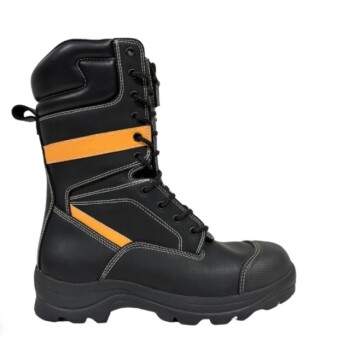
Premium Flame-Retardant Waterproof Safety Boots and Shoes
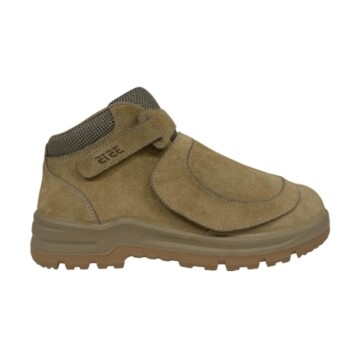
Premium Suede Metatarsal Guard Safety Boots Work Shoes

Premium KPU Athletic Safety Shoes for Wholesale
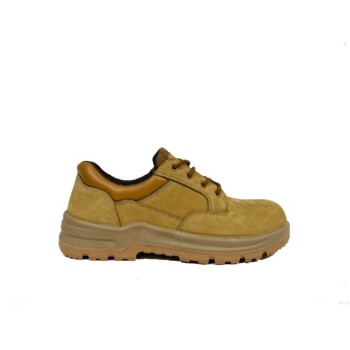
Premium Wheat Nubuck Safety Shoes for Bulk Distribution
