Toggle Categories
Get Instant Support
Choose your preferred way to connect with our team
-
Get Free Quote Fill out form for detailed pricing
-
Send Email Detailed inquiry support
-
WhatsApp Quick mobile chat
Response Time
Within 8 hours on working days, 24 hours on holidays
Outdoor Shoes & Boots
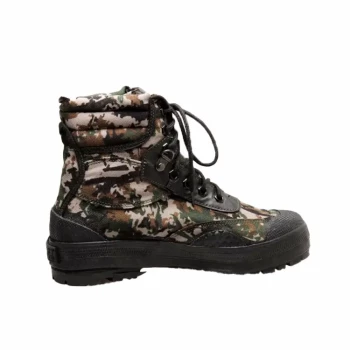
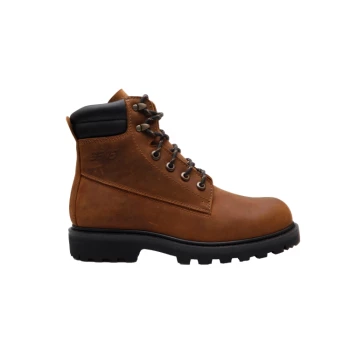
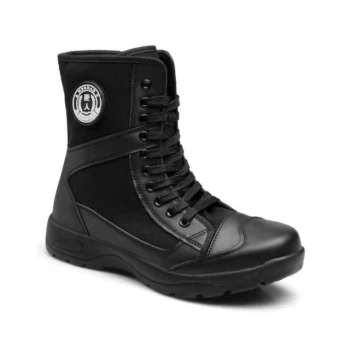
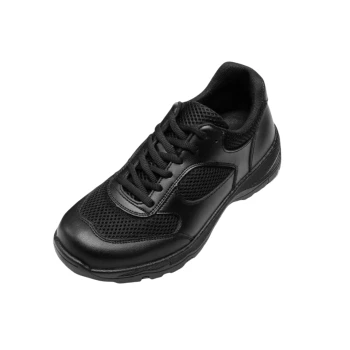
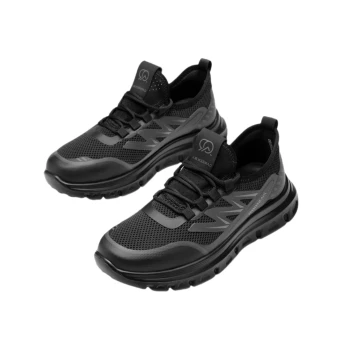
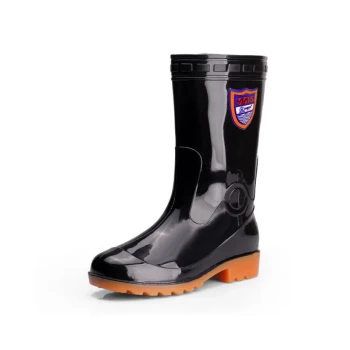
Outdoor Shoes & Boots

Wholesale Durable Leather Work Boots | 8-Inch Goodyear Welt Manufacturer
Item Number: ODW-1574

Durable High-Ankle Tactical Boots for Wholesale & Custom Manufacturing
Item Number: DMLB-96

Durable Leather High-Ankle Tactical Boots for Wholesale & Custom Manufacturing
Item Number: OD-2021

Wholesale Leather Work Boots with Customizable Wedge Sole for Brands
Item Number: ODW-1573

Durable High-Ankle Tactical Boots Wholesale Manufacturer for Custom & Bulk Orders
Item Number: OD-2025

Durable Goodyear Welt Leather Work Boots for Wholesale & Private Label
Item Number: ODW-1575

Durable Leather Tactical Boots Wholesale & Custom Manufacturing for Brands
Item Number: OD-2022

Durable Leather Work Boots for Wholesale & Custom Manufacturing
Item Number: ODW-1576

Durable Military Combat Boots with Water Drainage for Wholesale & OEM
Item Number: DMLB-95

Wholesale Tactical Boots High-Traction & Reflective for Bulk & Brand Orders
Item Number: OD-2024

Durable Mid-Cut Tactical Boots for Wholesale & Private Label
Item Number: OD-2018

Wholesale Durable & Breathable Training Shoes for Custom Brands
Item Number: TS-001

Lightweight Breathable Training Shoes for Wholesale & Custom OEM Manufacturing
Item Number: TS-002

Wholesale Breathable Training Shoes Custom Athletic Footwear Manufacturer
Item Number: TS-003

Wholesale Breathable & Cushioned Training Shoes Custom Factory Production
Item Number: TS-004

Wholesale Training Shoes with Dial Lacing System Custom OEM Manufacturing
Item Number: TS-005

Custom OEM Training Shoes Wholesale Manufacturer Durable & Breathable
Item Number: TS-006


Wholesale Lightweight Cushioned Athletic Sneakers for Custom Bulk Production
Item Number: SS-001

Wholesale Durable 6-Inch Work Boots | Custom & Private Label Manufacturer
Item Number: ODW-1571


Durable Leather Work Boots Wholesale Manufacturer & Custom Factory
Item Number: ODW-1572

Durable Leather Work Boots for Wholesale & Custom OEM Manufacturing
Item Number: ODW-1577

Durable Moc-Toe Wedge Work Boots | Wholesale Manufacturing for Brands
Item Number: ODW-1568

Durable Moc Toe Wedge Sole Work Boots for Wholesale and Private Label
Item Number: ODW-1569

Wholesale Lightweight Tactical Boots Custom Manufacturer for Desert & Combat Use
Item Number: OD-2019

Wholesale Lightweight Tactical Boots with Dial Closure OEM & Bulk Orders
Item Number: OD-2020

High-Traction Suede Tactical Boots Wholesale & Custom Manufacturing
Item Number: OD-2023

Wholesale Waterproof Tactical Boots Custom Suede & High-Traction Soles
Item Number: OD-2016

Wholesale Durable Mid-Cut Tactical Boots for Custom & Private Label Brands
Item Number: OD-2017
Edit This Page
REQUEST A QUOTE
Our professional team will reply to you within one business day. Please feel free to contact us!
Related Articles
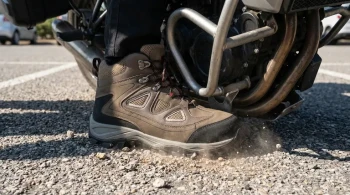
Anatomy of a Fall: The Physics Your Motorcycle Boots Must Defy
Motorcycle boots are not footwear; they are armor engineered to defy the torsional and impact forces that cause life-altering ankle injuries.
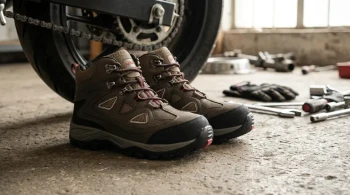
Anatomy of a Fall: The Physics That Make Motorcycle Boots Non-Negotiable
Motorcycle boots are not just footwear; they are engineered systems designed to counter the specific physics of impact, abrasion, and torsion in a crash.
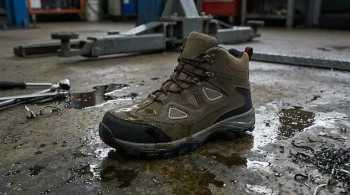
More Than Rubber and Steel: The Hidden Engineering of a Trustworthy Safety Boot
Explore the rigorous science behind oil-resistant safety boots. A deep dive into the tests that ensure structural integrity and chemical resilience.
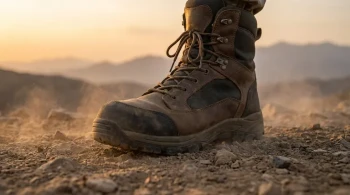
Protection is a Choice: Deconstructing the Engineering Trade-offs in Military Boot Safety Toes
Choosing a military boot safety toe isn't about 'best,' but balancing certified hazard protection against the operational demands of weight, agility, and climate.

The Cold Truth: Rethinking the 'Safety' Toe in Hunting Boot Design
Steel toes are a liability in the wild. Discover why forgoing them for comfort and warmth is the superior engineering choice for hunting boots.
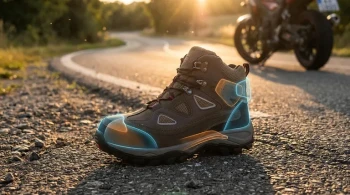
An Anatomy of Protection: Why Your Sneakers Are a Liability on Two Wheels
Motorcycle boots are engineered systems designed to counter crash physics—impact, abrasion, and torsion—that casual footwear simply cannot withstand.
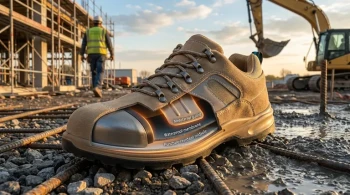
The Unseen Architecture of Safety: A Work Boot Is More Than a Steel Toe
Explore the hidden engineering in work boots, from EH ratings to puncture resistance, and learn why the right features always trump more features.
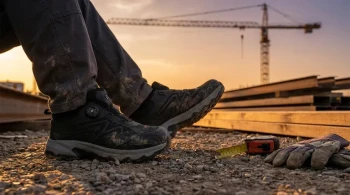
The Unseen Load: How Safety Toe Material Science Redefines a Worker's Day
Choosing a safety toe isn't about strength—it's about matching material science (steel, composite, alloy) to specific hazards and human factors.
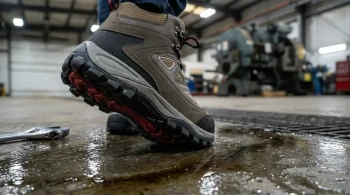
More Than Material: The Physics and Psychology of Oil-Resistant Soles
Choosing an oil-resistant boot sole isn't about one material, but the trade-offs between grip (Rubber), durability (TPU), and comfort (EVA).
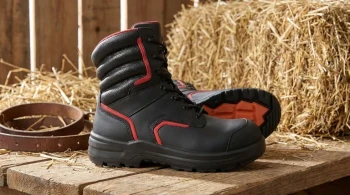
Beyond Armor: The Biomechanical and Psychological Role of the Modern Horse Boot
Horse boots do more than protect; they support ligaments and enhance proprioception. Their effectiveness hinges on a perfect fit and material choice.
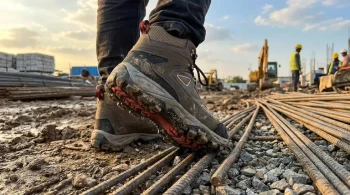
Beyond Compliance: The Engineering and Psychology of Construction Footwear
Construction safety footwear is more than a checklist item. It's a critical system designed to manage kinetic energy, punctures, and cognitive failure.
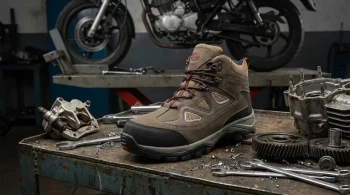
The Physics of Survival: Engineering Beyond the Boot
Motorcycle boots are engineered systems managing impact, abrasion, and torsion—critical for both crash survival and proactive accident prevention.
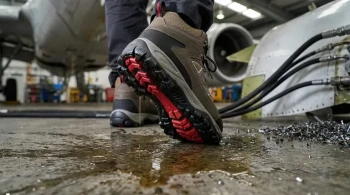
Beyond the Tread: The Molecular Science of a Fail-Safe Work Boot Sole
Discover the material science of TPU soles. Learn why their molecular structure provides superior oil resistance and durability for safety footwear.
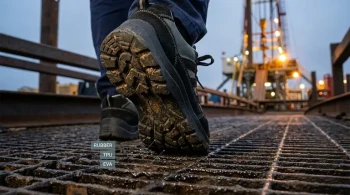
Beyond 'Oil-Resistant': The Material Science of a Worker's Most Critical Tool
Choosing the right oil-resistant boot sole (Rubber, TPU, EVA) is a critical trade-off between durability, weight, and comfort for worker safety.
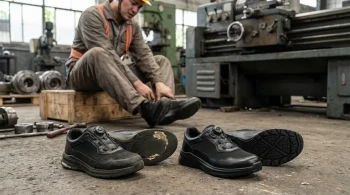
The Sole's Paradox: Trading Durability for a Day's Comfort
EVA soles offer exceptional comfort but wear quickly, posing a hidden risk. Understand the trade-off between shock absorption and long-term durability.
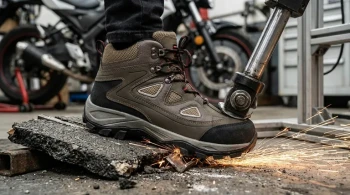
Beyond Leather: The Mechanical Engineering of Motorcycle Boot Safety
Motorcycle boots are engineered systems designed to manage the impact, abrasion, and torsional forces that can shatter bones in a crash.
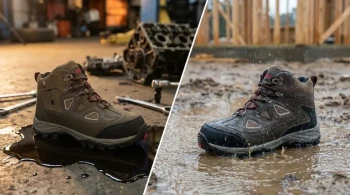
The Chemistry of Failure: Why Oil-Resistant and Waterproof Boots Solve Fundamentally Different Problems
Oil-resistant boots protect the boot from chemical breakdown; waterproof boots protect the foot from moisture. This distinction is critical for safety.
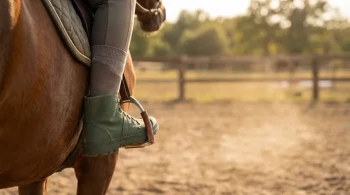
Beyond the Leather: The Physics and Psychology of a Perfect Riding Boot Fit
Discover why a riding boot's fit is a critical system for safety, communication, and rider confidence, not just a matter of comfort.
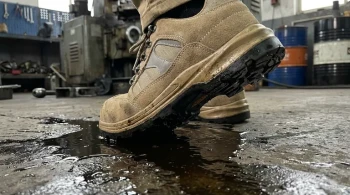
Beyond the Tread: The Molecular Battle for Grip on Oily Surfaces
Why do oil-resistant boots fail? Discover the molecular science behind Vibram's grip and why the entire boot system matters for true safety.
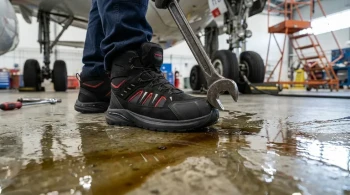
The Unseen Engineering: Why Steel Toes Succeed or Fail in Oily Environments
Explore the engineering behind steel toe safety boots, from non-corrosive metals to the oil-resistant elastomers that prevent catastrophic failure.