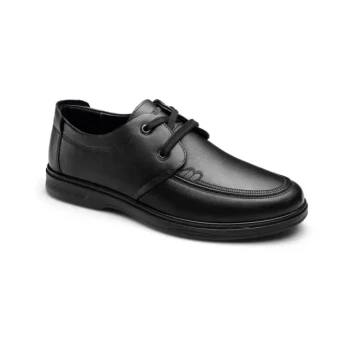
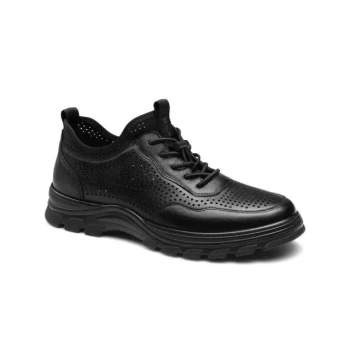
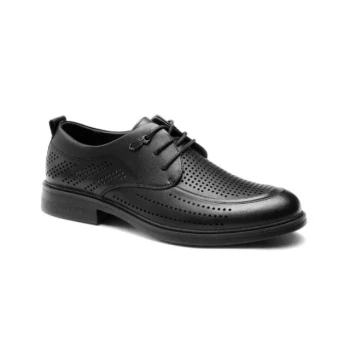
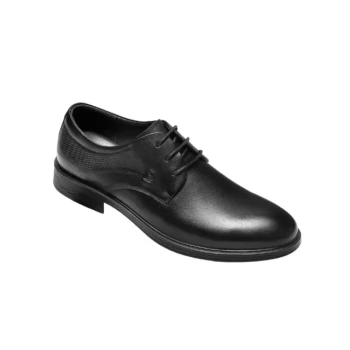
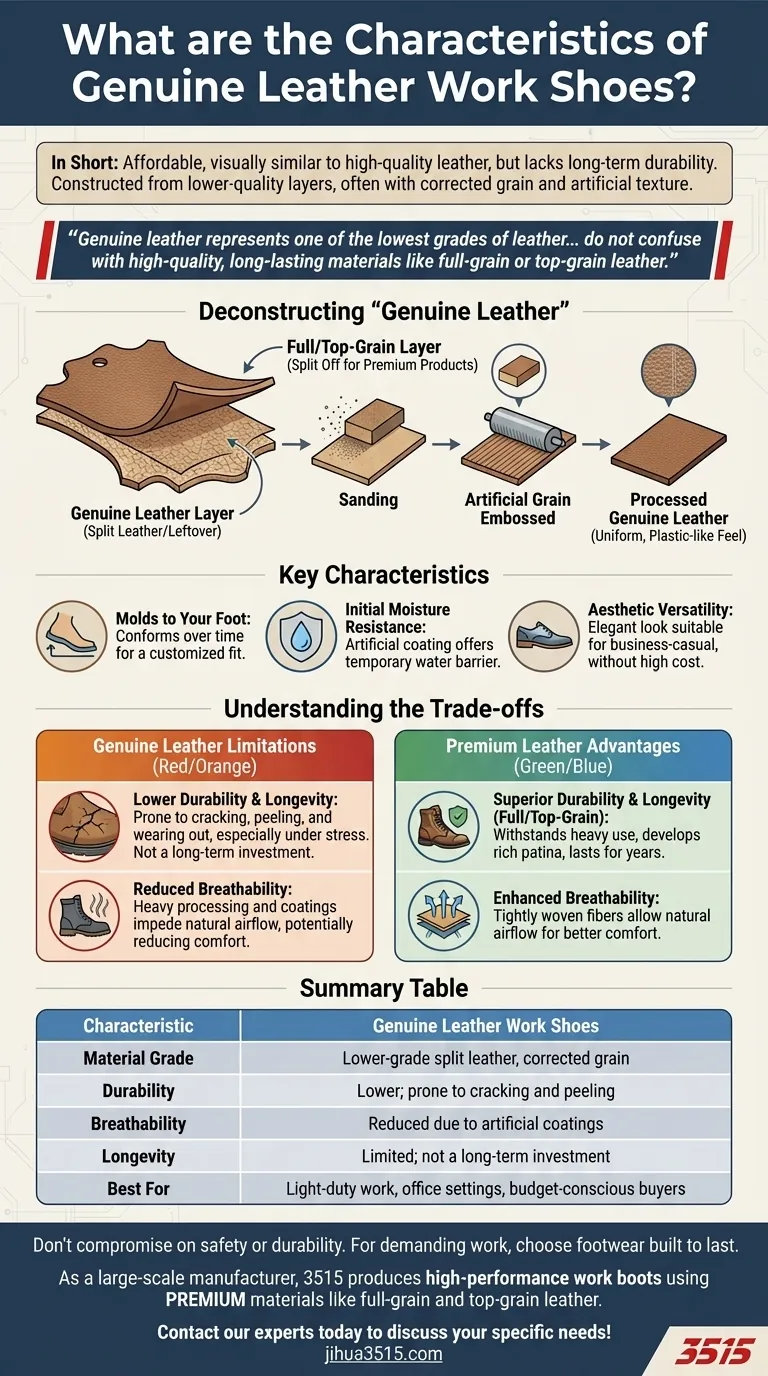
In short, genuine leather work shoes are characterized by their affordability and visual similarity to higher-quality leathers, but they lack the long-term durability and performance of premium options. They are constructed from the lower-quality layers of the hide, often featuring a corrected grain and an artificial surface texture.
The term "genuine leather" can be misleading. While technically made from real animal hide, it represents one of the lowest grades of leather available and should not be confused with high-quality, long-lasting materials like full-grain or top-grain leather.
Deconstructing "Genuine Leather"
Genuine leather is often marketed in a way that implies quality, but its technical definition reveals a different story. Understanding its composition is key to managing expectations for work footwear.
What It Is Made Of
Genuine leather is typically made from the layers of the hide that remain after the top, more durable layers have been split off for higher-grade products. This leftover material is often referred to as split leather.
To create a uniform appearance, this material is processed heavily. Imperfections are sanded away, and an artificial grain pattern is often embossed onto the surface.
Appearance and Feel
The surface of genuine leather is a manufactured finish. This gives it a consistent, plastic-like feel and appearance, lacking the unique, natural grain found in full-grain leather.
While it can look good initially, this artificial surface does not develop a rich patina over time. Instead, it tends to wear out, crack, or peel, especially under the stress of a work environment.
Durability and Breathability
The leather fibers in genuine leather are less dense and not as tightly woven as those in top-grain or full-grain leather. This significantly reduces its overall strength and durability.
Furthermore, the heavy processing and artificial coatings used to create its surface can impede the material's natural breathability, potentially leading to less comfort during long hours of wear.
Key Characteristics of Genuine Leather Shoes
When evaluating work shoes marketed as "genuine leather," you can expect a specific set of characteristics that blend both advantages and significant limitations.
Molds to Your Foot
Like other leathers, genuine leather will conform to the shape of your foot over time. This can provide a more customized and comfortable fit after a break-in period.
Initial Moisture Resistance
The artificial coating applied to most genuine leather provides a degree of initial water resistance. However, this barrier can break down with scuffs, scratches, and regular wear.
Aesthetic Versatility
Genuine leather shoes can be styled to look elegant and suitable for business-casual environments. They offer the classic appearance of leather without the high cost of premium grades.
Understanding the Trade-offs
Choosing genuine leather is a decision based on balancing cost against performance and longevity. It is crucial to be aware of the compromises involved.
The Durability Gap
The most significant trade-off is durability. Genuine leather will not withstand heavy use, abrasion, or flexing as well as full-grain or top-grain leather. For demanding work conditions, it is likely to fail much sooner.
Limited Longevity
These shoes are not a long-term investment. While they may serve well for light-duty work or office settings, they lack the structural integrity to last for many years, unlike their higher-grade counterparts.
Maintenance vs. Repair
While genuine leather requires cleaning and conditioning, its capacity for repair is limited. Deep gouges or the wearing away of the artificial surface cannot be restored in the way that full-grain leather can be reconditioned.
Making the Right Choice for Your Goal
To select the appropriate footwear, you must align the material's characteristics with your specific needs.
- If your primary focus is affordability for an office or light-duty role: Genuine leather can provide the professional look of leather at a much lower initial cost.
- If your primary focus is maximum durability and long-term value: You must look beyond "genuine leather" and invest in shoes made from full-grain or top-grain leather.
- If your primary focus is low maintenance and cost-effectiveness: High-quality synthetic or "vegan" leather may be a more practical and reliable alternative to low-grade genuine leather.
Ultimately, understanding that "genuine leather" signifies a specific grade rather than a general quality standard is the key to making an informed purchase.
Summary Table:
| Characteristic | Genuine Leather Work Shoes |
|---|---|
| Material Grade | Lower-grade split leather, corrected grain |
| Durability | Lower; prone to cracking and peeling |
| Breathability | Reduced due to artificial coatings |
| Longevity | Limited; not a long-term investment |
| Best For | Light-duty work, office settings, budget-conscious buyers |
Don't compromise on safety or durability. For demanding work environments, you need footwear built to last. As a large-scale manufacturer, 3515 produces a comprehensive range of high-performance work boots using premium materials like full-grain and top-grain leather. We provide durable, comfortable, and safe footwear solutions for distributors, brand owners, and bulk clients. Contact our experts today to discuss your specific needs and discover how we can enhance your product line.
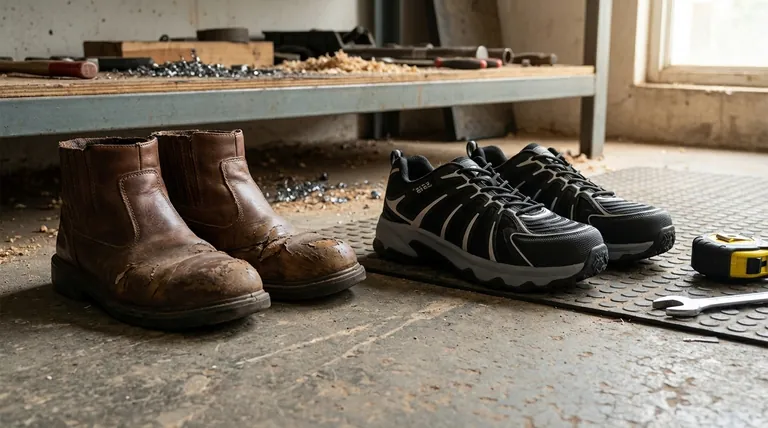
Visual Guide
Related Products
- Durable Leather Work Boots for Wholesale & Custom OEM Manufacturing
- Durable Leather Work Boots for Wholesale & Custom Manufacturing
- Durable Goodyear Welt Leather Work Boots for Wholesale & Private Label
- Durable Leather Work Boots Wholesale Manufacturer & Custom Factory
- Wholesale Durable Leather Work Boots | 8-Inch Goodyear Welt Manufacturer
People Also Ask
- What is the difference between full-grain and top-grain leather? Premium Material Guide for Boot Manufacturers
- What should you do when your work boots no longer serve their purpose? Don't Gamble with Your Safety
- What features distinguish work boots from other types of cowboy boots? A Guide to Safety vs. Riding Performance
- Why perform macrofoam swab sampling on work boots? Ensure Site Safety & Prevent Hazardous Cross-Contamination
- What are the key benefits of high-quality work boots? Unlock Safety, Comfort & Long-Term Value