All Questions
What Final Touches Are Added To Safety Shoes Before Packaging? Ensure Quality And Compliance
Learn the critical final steps in safety shoe production, from polishing to final inspection, ensuring quality, comfort, and compliance.
How Is The Sole Attached To The Upper In Safety Shoes Manufacturing? Choose The Right Bond For Durability
Learn the 3 key methods for attaching soles to safety shoes: injection molding, cementing & Goodyear welting. Compare durability, water resistance & cost.
What Is The Purpose Of A Shoe Last In Safety Shoes Manufacturing? The Blueprint For Fit & Protection
Discover how a shoe last shapes safety footwear, ensuring correct toe cap placement, ergonomic fit, and all-day comfort for workers.
How Are The Parts Of A Safety Shoe Assembled? Discover The Engineered Process For Maximum Protection
Learn the step-by-step assembly of safety shoes, from upper construction to sole bonding, ensuring built-in protection against workplace hazards.
What Happens During The Cutting Stage Of Safety Shoes Manufacturing? Precision, Process & Quality
Explore the critical cutting stage in safety shoe production: hydraulic die-cutting for precision, structural integrity, and consistent quality at scale.
What Are The Characteristics Of Cemented Safety Shoes? Lightweight, Affordable Protection Explained
Learn the pros and cons of cemented safety shoe construction: lightweight, flexible, and cost-effective, but with limitations in durability.
What Are The Advantages Of Goodyear Welted Safety Shoes? Unmatched Durability & Repairability
Discover the key benefits of Goodyear welted safety shoes: superior durability, easy repairability, water resistance, and long-term comfort.
How Does The Molding Method Work In Safety Shoes Manufacturing? Unlock Unmatched Durability And Protection
Discover the direct injection molding process for safety shoes, creating a seamless, permanent bond for superior strength, water resistance, and durability.
What Are The Three Main Construction Methods Used In Safety Shoes Manufacturing? A Guide To Durability, Water Resistance, And Comfort
Explore cementing, molding, and Goodyear welting for safety shoes. Learn how each method impacts durability, water resistance, and flexibility for your work environment.
What Materials Are Commonly Used In The Manufacture Of Safety Shoes? A Guide To Leather, Steel & Composite Components
Explore the materials used in safety shoes: from leather and steel to composites and rubber. Choose the right footwear for maximum protection and comfort.
What Are The Main Stages Involved In Safety Shoes Manufacturing? A Guide To Durable, Protective Footwear
Explore the 8 key stages of safety shoe production, from design & material selection to rigorous quality control, ensuring maximum protection and comfort.
What Future Trends Are Emerging In Safety Boot Technology? Discover Lighter, Smarter, And More Sustainable Footwear
Explore the future of safety boots: lighter composite materials, smart sensors for real-time monitoring, and a shift toward sustainable, bio-based polymers.
What Are The Key Steps In The Manufacturing Process Of Safety Boots? From Design To Certification
Explore the multi-stage manufacturing of safety boots, from hazard-based design and material cutting to assembly, quality control, and final certification.
How Is The Environmental Impact Of Safety Boot Production Being Addressed? Strategies For Sustainable Footwear
Learn how safety boot manufacturers reduce environmental impact through recycled materials, sustainable leather, green tech, and waste management.
What Global Standards Apply To Safety Boots? Navigating Astm & En Iso Compliance
Understand ASTM F2413 (US) and EN ISO 20345 (EU) standards for safety boots. Ensure impact, compression, and puncture resistance for worker safety.
What Materials Are Commonly Used For Outsoles In Safety Boots? A Guide To Durability, Grip, And Comfort
Explore the pros and cons of rubber, PU, TPU, and EVA outsoles for safety boots. Find the right material for your work environment's demands.
What Types Of Insoles Are Used In Safety Boots, And How Do They Improve Comfort? Choose The Right Support For Your Job
Discover the types of safety boot insoles—foam, gel, air-cushioned, and orthotic—and how they reduce foot fatigue and improve comfort.
What Materials Are Used For Fasteners And Laces In Safety Boots? | A Guide To Durability & Safety
Discover why safety boots use brass, stainless steel fasteners and nylon, polyester laces for strength, corrosion resistance, and workplace safety.
What Textile Materials Are Used In Safety Boots, And What Are Their Functions? A Guide To Performance & Protection
Explore the essential textile and synthetic materials in safety boots, from nylon uppers to composite toes, and how they deliver protection, durability, and comfort.
What Are The Benefits Of Using Eva In Safety Boots? Enhance Comfort And Reduce Fatigue
Discover how EVA midsoles in safety boots provide superior shock absorption, lightweight comfort, and flexibility for long workdays.
Why Is Polyurethane (Pu) Used In Safety Boot Soles? For Superior Comfort & Durability
Discover why PU is the top choice for safety boot soles, offering a perfect balance of lightweight comfort, shock absorption, and long-lasting durability.
What Are The Advantages Of Rubber Soles In Safety Boots? Unbeatable Grip & Durability
Discover the key benefits of rubber soles: superior slip resistance, 100% waterproofing, and excellent chemical resistance for ultimate safety.
What Factors Should Be Considered When Choosing Safety Shoes? A Complete Guide To Workplace Foot Protection
Learn how to select safety shoes based on workplace hazards, safety certifications, fit, and comfort for optimal protection and performance.
Why Are Shoelaces Important In Safety Shoes? Secure Fit For Maximum Protection
Discover how shoelaces ensure a secure fit, prevent slips, and maximize the effectiveness of safety features in protective footwear.
What Are The Functions Of The Insole In Safety Shoes? Essential For Stability, Comfort & Protection
Discover the key roles of a safety shoe insole: providing stability, shock absorption, moisture control, and promoting foot health for long-term comfort.
What Is The Role Of The Midsole In Safety Shoes? The Key To Comfort And Protection
Discover how the midsole provides shock absorption, structural support, and puncture resistance in safety footwear for all-day comfort and safety.
What Is The Safety Toe Cap And What Materials Is It Made From? Choose Steel Or Composite For Your Job
Compare steel vs composite safety toe caps. Learn about impact & compression resistance, material benefits, and how to choose the right protection.
What Is The Purpose Of The Lining In Safety Shoes? Achieve Superior Foot Comfort & Health
Discover how the lining in safety shoes manages moisture, prevents blisters, and regulates temperature for all-day comfort and foot health.
What Materials Are Used For Safety Shoe Outsoles? Choose The Right Protection For Your Workplace
Compare rubber, PU, TPU, and EVA safety shoe outsoles. Find the best material for durability, slip resistance, and comfort in your work environment.
What Is The Function Of The Upper In Safety Shoes? Your Guide To Foot Protection & Comfort
Learn how the safety shoe upper acts as a primary shield against impacts, chemicals, and abrasion, while ensuring comfort and breathability.
What Are The Main Components Of Safety Shoes? A Guide To Protective Footwear Design
Explore the 6 key parts of safety shoes: the toe cap, upper, outsole, midsole, insole, and lining. Learn how each component protects against workplace hazards.
How Can Understanding The Materials Used In Safety Shoes Help In Choosing The Right Product? A Guide To Matching Footwear To Hazards
Learn how the materials in safety shoe uppers, soles, and toe caps determine protection, comfort, and durability for your specific work environment.
What Are The Properties Of Eva Outsoles In Safety Shoes? Discover The Ultimate Comfort For Long Shifts
Explore the properties of EVA outsoles: lightweight comfort, superior shock absorption, and key trade-offs for safety footwear selection.
What Are The Properties Of Polyurethane (Pu) Outsoles In Safety Shoes? Discover The Perfect Blend Of Lightweight Protection And Comfort
Explore the key properties of PU outsoles for safety shoes: exceptional durability, slip resistance, lightweight comfort, and superior shock absorption for demanding work.
What Are The Properties Of Rubber Outsoles In Safety Shoes? Unmatched Durability & Slip Resistance
Discover the key properties of rubber outsoles: superior slip resistance, heat resistance up to 300°C, durability, and protection against oils and chemicals.
What Materials Are Used For The Outsoles Of Safety Shoes? Choose The Right Protection For Your Job
Learn about rubber, PU, TPU, and EVA safety shoe outsoles. Compare durability, slip resistance, and heat resistance for your work environment.
What Are The Disadvantages Of Eva In Safety Shoes? Understand The Trade-Offs For Your Workforce.
Learn the key drawbacks of EVA foam in safety shoes, including poor breathability, moisture buildup, and durability concerns for industrial use.
What Is Eva And What Are Its Advantages In Safety Shoes? Lightweight Cushioning For All-Day Comfort
Discover the benefits of EVA (Ethylene-Vinyl Acetate) in safety shoes: superior shock absorption, lightweight design, and enhanced comfort for industrial workers.
What Are The Disadvantages Of Using Fabrics In Safety Shoe Uppers? Balancing Comfort With Durability
Explore the key drawbacks of fabric safety shoe uppers, including permeability, staining, and reduced durability, to make an informed choice for your work environment.
What Are The Advantages Of Using Fabrics In Safety Shoe Uppers? Enhance Comfort & Style For Indoor Work
Explore the benefits of fabric safety shoe uppers: superior breathability, design flexibility, and cost-effectiveness for dry, indoor environments.
What Are The Disadvantages Of Microfibre In Safety Shoes? Weighing Breathability Vs. Durability
Explore the key drawbacks of microfibre safety shoes, including lower breathability and UV discoloration risks, to make an informed choice for your workforce.
What Is Microfibre And What Are Its Advantages In Safety Shoes? The Ultimate Guide For Durable, Easy-Clean Footwear
Discover why microfibre is a top choice for safety shoes, offering superior liquid resistance, easy maintenance, and lightweight comfort for demanding work environments.
What Are The Disadvantages Of Using Leather In Safety Shoes? The Trade-Offs Of A Classic Material
Explore the key drawbacks of leather safety footwear, including high maintenance needs, vulnerability to moisture, and unsuitability for harsh environments.
What Are The Advantages Of Using Leather In Safety Shoes? Superior Durability & Breathability
Discover the key benefits of leather safety shoes: unmatched durability, natural breathability, and superior comfort for demanding work environments.
What Are The Different Types Of Leather Used In Safety Shoe Uppers? Choose The Right Material For Your Job
Explore full-grain, split, nubuck, and oiled leather for safety shoes. Learn which type offers the best durability, breathability, or water resistance for your work environment.
What Is The Upper Part Of A Safety Shoe? Choose The Right Material For Maximum Protection
Learn about safety shoe upper materials like leather, synthetics, and mesh. Compare durability, breathability, and chemical resistance for your work environment.
How Can Work Shoes Help Manage Plantar Fasciitis? Alleviate Heel Pain & Improve Daily Comfort
Discover how therapeutic work shoes with firm arch support, shock absorption, and stability can effectively manage plantar fasciitis pain.
What Type Of Work Shoes Benefit Individuals With High Arches? Find Support For Long-Hour Comfort
Discover the best work shoes for high arches. Learn why contoured arch support and superior shock absorption are essential for comfort and pain relief.
What Characteristics Should Work Shoes Have For Cold Or Wet Environments? Essential Features For Safety & Comfort
Discover the key characteristics of effective work shoes for cold or wet environments: waterproofing, insulation, and breathability for ultimate safety.
How Should People With Wide Feet Choose Work Shoes? Find The Perfect Fit For Comfort & Safety
Expert guide to choosing wide-width work shoes (2E, 4E, W). Avoid pain, blisters, and fit issues with key tips on toe boxes, sizing, and safety features.
What Type Of Work Shoes Are Recommended For Individuals With Flat Feet? Find Supportive Footwear For All-Day Comfort
Discover the best work shoes for flat feet, featuring firm arch support and stability to prevent overpronation and reduce foot fatigue.
What Are The Critical Features To Consider When Selecting Work Shoes? A Guide To Safety, Comfort & Durability
Learn how to choose the right work shoes by focusing on key features like slip resistance, toe protection, proper fit, and long-lasting materials.
What Are The Benefits And Drawbacks Of Canvas For Labour Protection Shoes? A Guide To Safe & Comfortable Footwear
Explore the pros and cons of canvas work shoes. Learn when to choose canvas for breathability and when to avoid it for safety in hazardous environments.
What Are The Advantages Of Kpu Moulding Material For Labour Protection Shoes? Superior Durability & Comfort
Discover KPU moulding's benefits for safety shoes: extreme durability, non-slip safety, lightweight comfort, and advanced manufacturing.
What Are The Characteristics Of Suede Leather Used In Labour Protection Shoes? A Guide To Comfort Vs. Durability
Explore the pros and cons of suede leather in safety shoes: superior breathability and comfort vs. poor water resistance and durability for specific work environments.
What Are The Key Properties Of Nylon As An Upper Material For Labour Protection Shoes? A Guide To Lightweight Durability
Explore the key properties of nylon for safety shoes: high abrasion resistance, lightweight comfort, breathability, and heat resistance for various work environments.
What Are The Characteristics Of Natural Leather Used In Labour Protection Shoes? Unmatched Comfort & Durability
Discover the key traits of natural leather for safety shoes: superior breathability, lasting comfort, and its limitations for chemical environments.
What Are The Common Types Of Upper Materials For Labour Protection Shoes? Choose The Right Material For Your Work Environment
Explore the pros and cons of common safety shoe upper materials like leather, synthetics, and fabrics to find the best fit for durability, comfort, and protection.
What Is The Importance Of Understanding Osha Safety Shoe Standards? Ensure Compliance And Protect Your Workforce
Learn how OSHA and ASTM standards work together to ensure your safety footwear program is legally compliant and effectively protects workers from hazards.
Are Osha Compliant Safety Shoes Available In Different Styles And Colors? Find Your Perfect Fit & Style
Explore OSHA-compliant safety footwear in boots, sneakers, and clogs. Match style to your job's hazards, from construction to healthcare.
How Does Osha Enforce Compliance For Safety Shoes? A Guide To Avoiding Citations
Learn how OSHA enforces safety shoe rules through inspections, hazard assessments, and verifying ASTM standards like F2413 to protect your workforce.
How Often Are Osha Safety Shoe Standards Updated? Follow The Real Source For Compliance
OSHA doesn't update safety shoe specs directly. Learn how to track the real standards (ASTM F2413) for compliance and worker safety.
How Can You Identify If A Safety Shoe Is Osha Approved? Decode The Astm Label For Compliance
Learn to read the ASTM F2413 label inside safety shoes to verify OSHA compliance and ensure proper protection against workplace hazards.
How Are Osha Approved Safety Shoes Labeled? Decode The Markings For Workplace Safety
Learn to read OSHA safety shoe labels (ASTM F2413) to ensure proper protection against impact, compression, and electrical hazards.
What Are The Testing Requirements For Osha Safety Shoes? Ensure Compliance & Maximum Protection
Learn about OSHA's ASTM F2413 safety shoe testing for impact, compression, metatarsal, puncture, and electrical hazards.
What Are The Key Performance Requirements For Osha Compliant Safety Shoes? Choose The Right Protection For Your Team
Learn the essential OSHA safety shoe requirements: ASTM F2413 standards for impact, compression, metatarsal, puncture, and electrical hazard protection.
Which Standards Does Osha Reference For Safety Footwear? Ensure Full Compliance With Astm F2413
OSHA mandates safety footwear that meets ASTM F2413 & F2412 standards. Learn the key requirements for impact, compression & hazard-specific protections.
What Organization Defines The Osha Standard For Safety Shoes In The Us? A Guide To Compliance & Worker Protection
Learn how OSHA and ASTM standards work together to define safety shoe requirements for US workplaces. Ensure compliance and protect your team.
What Additional Consideration Is Mentioned If Protective Footwear Is Electric Shock Resistant? Employer's Financial Responsibility
Learn why employers must provide EH-rated footwear at no cost when a workplace hazard assessment identifies an electrical risk.
What Does Osha Standard 29 Cfr 1910.136(A) State About The Use Of Protective Footwear? Ensure Full Compliance
Learn OSHA 29 CFR 1910.136(a) requirements for protective footwear, including hazard assessment, employer duties, and compliance steps.
What Is The Scenario Described In The Letter Regarding Safety Toe Protective Footwear? Understanding Employer Payment Obligations
Learn when employers must pay for safety-toe footwear under OSHA rules. Understand the difference between PPE and everyday footwear and avoid costly policy mistakes.
Why Is Compliance With Safety Standards Important For Oilfield Safety Shoes? Ensure Uncompromising Foot Protection
Discover why certified safety standards are critical for oilfield footwear, ensuring verified protection against impacts, punctures, and chemical hazards.
How Do Oilfield Safety Shoes Contribute To Worker Productivity? Boost Focus & Reduce Fatigue
Learn how the right oilfield safety shoes boost productivity by reducing fatigue, minimizing distractions, and enhancing worker confidence on the job.
What Are The Primary Benefits Of Using Oilfield Safety Shoes? Maximize Protection On The Rig
Discover the key benefits of oilfield safety shoes: superior slip resistance, impact & puncture protection, compliance, and durability for harsh conditions.
What Comfort Features Are Included In Oilfield Safety Shoes? Reduce Fatigue & Enhance On-Site Safety
Discover key comfort features in oilfield safety shoes: advanced cushioning, moisture-wicking materials, and ergonomic design for long shifts.
How Do Oilfield Safety Shoes Provide Ankle Support And Protection? Essential Features For Hazardous Terrain
Learn how high-cut design, reinforced materials, and slip-resistant soles in oilfield boots work together to prevent ankle injuries and ensure safety.
Why Are Puncture-Resistant Soles Necessary For Oilfield Safety Shoes? Prevent Severe Foot Injuries On The Job
Learn why puncture-resistant soles are essential for oilfield safety, protecting against sharp debris, reducing injury risks, and ensuring compliance.
What Features Make Oilfield Safety Shoes Resistant To Heat And Flames? Protect Against Extreme Temperatures
Learn how materials like Nomex, Kevlar, and HRO-rated soles provide critical heat and flame resistance for oilfield safety footwear.
How Do Oilfield Safety Shoes Protect Against Water And Chemicals? Advanced Material Science Explained
Learn how oilfield safety boots use treated leather, chemical-resistant soles, and sealed seams to create a barrier against liquids and hazardous substances.
Why Are Slip-Resistant Soles Important In Oilfield Safety Shoes? Essential Traction To Prevent Falls
Discover how engineered slip-resistant soles with ASTM F3445-21 certification provide critical traction on oily, wet surfaces to prevent workplace injuries.
What Are The Key Considerations When Choosing Safety Boots? Match Hazards To Features For Maximum Protection
Learn how to select safety boots by assessing workplace hazards, choosing certified features, and ensuring a proper fit for comfort and safety.
What Is Metatarsal Protection In Safety Boots? Essential Defense For Top-Of-Foot Hazards
Learn how metatarsal guards protect your foot's instep from crushing injuries, the difference from safety toes, and how to choose the right protection.
What Are The Benefits Of A Waterproof Lining In Safety Boots? Protect Your Feet And Your Gear
Discover how a waterproof lining in safety boots prevents health issues, extends boot life, and is essential for wet work environments.
How Does The Upper Material Of A Safety Boot Affect Safety And Comfort? Find The Right Shield For Your Feet
Learn how safety boot upper materials like leather, synthetics, and rubber impact protection, durability, and comfort for your specific work environment.
What Is The Role Of A Toecap In Safety Boots? Ensure Maximum Foot Protection On The Job
Learn how safety boot toecaps provide 200 Joule impact protection, the differences between steel and composite materials, and how to choose the right one.
Why Are Anti-Fatigue Comfort Insoles Important In Safety Boots? Boost Worker Health & Productivity
Discover how anti-fatigue insoles in safety boots reduce impact, prevent pain, and enhance comfort for long shifts on hard surfaces.
What Protection Does An Anti-Penetration Midsole Provide? Steel Vs. Composite For Ultimate Safety & Comfort
Anti-penetration midsoles protect feet from sharp objects. Learn the key differences between steel and composite options to choose the right safety footwear.
What Is The Function Of The Shank In A Safety Boot? The Key To Arch Support & Stability
Discover the critical role of a boot's shank in preventing foot fatigue and injury. Learn how it provides arch support and stability on any terrain.
How Does The Midlayer Of A Safety Boot Contribute To Comfort And Stability? The Unseen Workhorse Explained
Discover how the safety boot midlayer provides critical shock absorption and structural stability to reduce foot fatigue and enhance safety on the job.
What Is The Purpose Of An Anti-Slip Sole In Safety Boots? To Prevent Costly Workplace Slips And Falls
Learn how anti-slip soles with SRA, SRB, and SRC ratings work to prevent workplace accidents. Choose the right sole for your environment.
Which Sole Material Has Excellent Performance In Oil Resistance? Find The Best Fit For Your Industry
Compare Neoprene, Nitrile, and Polyurethane soles for superior oil resistance. Learn which material offers the best durability, comfort, and safety for your work environment.
Which Sole Material Has Excellent Performance In Chemical Resistance? Choose The Right Protection For Your Worksite
Discover the best chemical-resistant sole materials: Nitrile Rubber, Polyurethane, and Neoprene. Learn which one suits your specific workplace hazards.
What Are Some Real-World Examples Of Safety Footwear Preventing Injuries? Protect Your Workforce Effectively
Explore real-world examples of how steel-toe, non-slip, and chemical-resistant safety footwear prevents workplace injuries across industries.
How Can Workers Maintain Their Safety Footwear? A Proactive Guide To Extend Boot Life & Safety
Learn the 3 pillars of safety boot maintenance: proper cleaning, inspection, and replacement. Ensure your PPE's protective integrity.
How Can Employers Promote Safety Footwear Compliance? Build A Culture Of Safety From The Ground Up
Learn key strategies to boost safety footwear compliance, including hazard assessment, employee education, and financial support to remove barriers.
What Are The Benefits Of Proper Safety Footwear Beyond Physical Protection? Boost Productivity & Morale
Discover how quality safety footwear reduces fatigue, improves posture, and enhances focus for greater productivity and job satisfaction.
What Are Metatarsal Shoes? Essential Foot Protection For High-Risk Work
Discover metatarsal shoes: advanced safety footwear that protects the entire top of your foot from impact and crushing injuries.
What Are Esd Marked Shoes Designed For? Protect Your Electronics From Static Damage
ESD shoes protect sensitive electronics from static discharge. Learn their purpose, how they work, and how to choose the right safety footwear.
What Are Composite Toe Shoes And Their Advantages? Superior Safety & Comfort For Modern Work
Discover the benefits of composite toe shoes: lightweight, non-conductive, and metal-free for superior comfort and safety in any work environment.
What Are The Different Protection Levels For Safety Footwear? A Guide To S1, S3 & More
Understand safety footwear S ratings (SB to S5) and ASTM standards. Choose the right protective boots for your work environment and hazards.
Related Products

Advanced KPU Athletic Safety Shoe with Steel Toe Cap Anti-Slip Rotary Lacing System
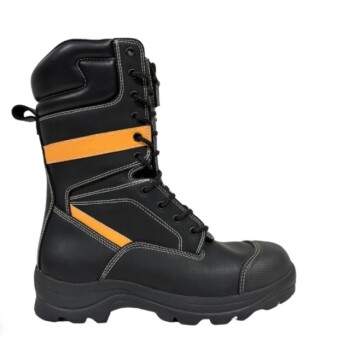
Premium Flame-Retardant Waterproof Safety Boots and Shoes
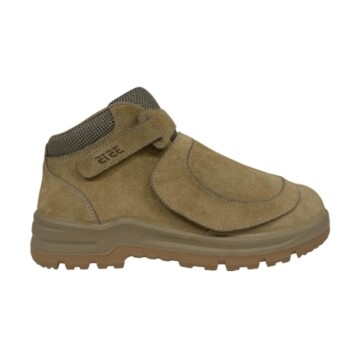
Premium Suede Metatarsal Guard Safety Boots Work Shoes

Premium KPU Athletic Safety Shoes for Wholesale

Premium Wheat Nubuck Safety Shoes for Bulk Distribution
