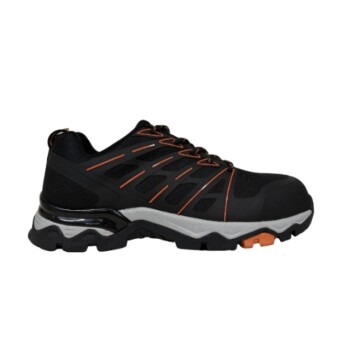
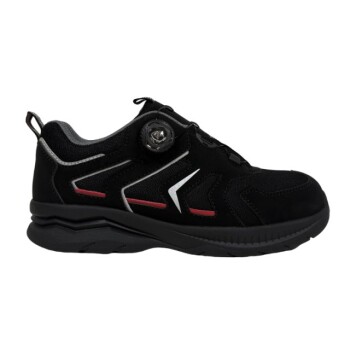
The upper of a safety shoe is the entire portion of the footwear that covers the top and sides of your foot. It is the primary shield between your foot and the work environment. This critical component can be made from a range of materials, including natural leathers, advanced synthetic materials like microfibre, and technical fabrics such as mesh, with each choice offering a distinct set of performance characteristics.
The material used for a safety shoe's upper is not a matter of style; it is a fundamental engineering choice that dictates the shoe's durability, resistance to hazards, and all-day comfort. Understanding the trade-offs between materials is essential for selecting footwear that truly matches your specific work environment.
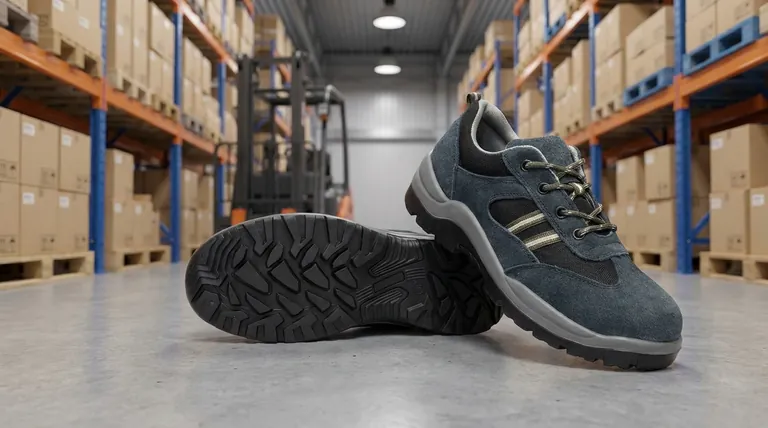
Deconstructing the Upper: Key Material Categories
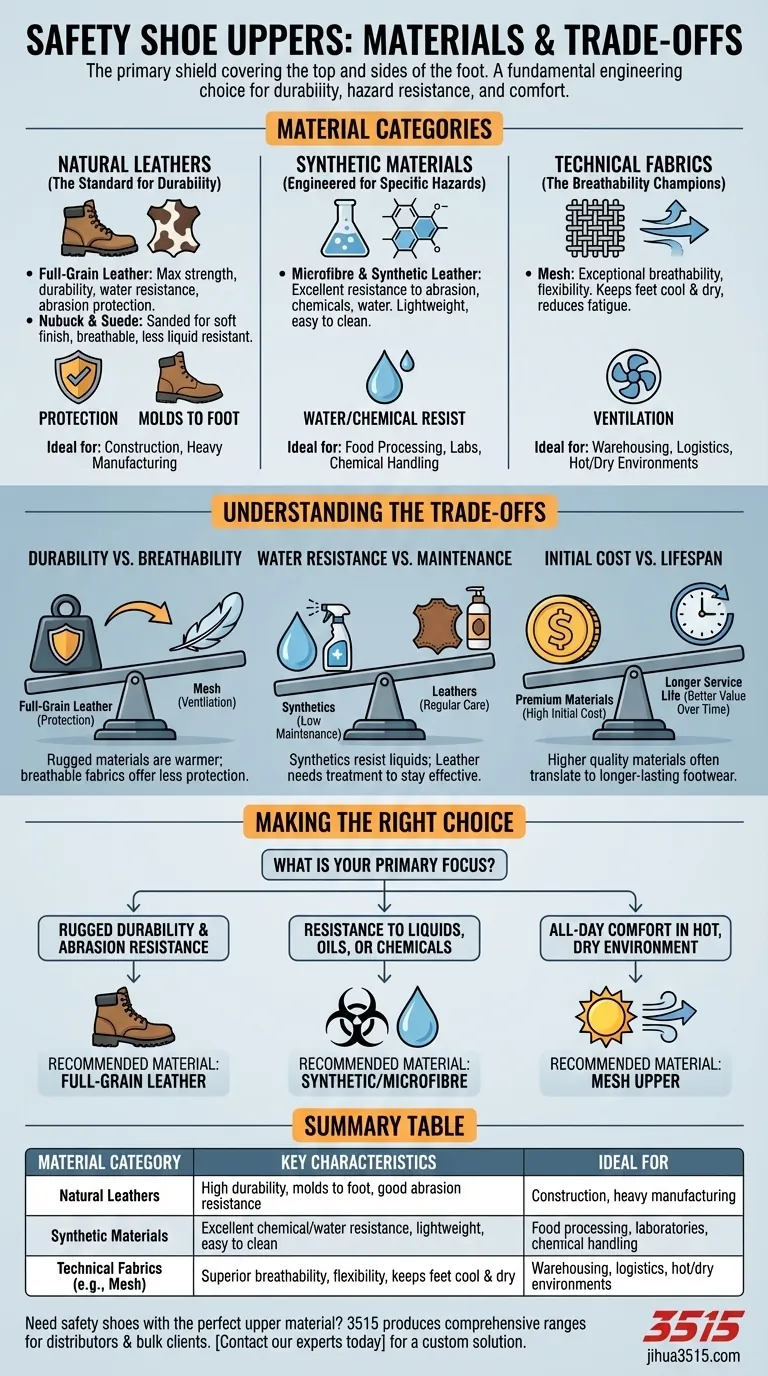
The performance of your safety shoe—from its ability to repel water to its breathability on a hot day—is largely determined by the upper's material. We can group these into three primary categories.
Natural Leathers: The Standard for Durability
Leather has long been the benchmark for protective footwear due to its inherent toughness and ability to mold to the wearer's foot over time.
- Full-Grain Leather: This is the highest quality leather, offering maximum strength, durability, and water resistance. It is easy to clean and provides excellent natural protection against abrasion.
- Nubuck & Suede Leather: These are leathers that have been sanded to create a soft, velvety finish. While comfortable and breathable, they are generally less resistant to liquids and stains than full-grain leather unless specifically treated.
Synthetic Materials: Engineered for Specific Hazards
Synthetic materials are designed in a lab to provide consistent performance and overcome some of the limitations of natural materials.
- Microfibre & Synthetic Leather: These materials are champions of resistance. They offer excellent protection against abrasion, chemicals, and water penetration, making them ideal for environments like food processing or laboratories. They are also typically lightweight and easy to clean.
Technical Fabrics: The Breathability Champions
For workers in hot, dry environments, managing heat and moisture is a primary concern for comfort and safety.
- Mesh: This woven fabric is prized for its exceptional breathability and flexibility. By allowing air to circulate freely, mesh uppers help keep feet cool and dry, reducing fatigue. They are often used in lighter-duty safety shoes for indoor environments like logistics and warehousing.
Understanding the Trade-offs
Selecting the perfect upper material always involves balancing competing priorities. There is no single "best" material, only the best material for a specific application.
Durability vs. Breathability
This is the most common trade-off. A thick, full-grain leather upper provides incredible protection against cuts and scrapes but will be warmer than a lightweight mesh upper. Conversely, a mesh shoe offers superior ventilation but provides minimal resistance to liquids and less defense against abrasion.
Water Resistance vs. Maintenance
Many synthetic materials offer excellent, low-maintenance water and chemical resistance right out of the box. Natural leather can provide superb water resistance, especially when properly treated, but it requires regular cleaning and conditioning to maintain its protective barrier and prevent it from drying out and cracking.
Initial Cost vs. Lifespan
High-performance materials like premium full-grain leather or specialized microfibres often carry a higher initial price tag. However, their enhanced durability frequently translates to a longer service life, offering better value over time compared to less expensive options that may need to be replaced more frequently.
Making the Right Choice for Your Goal
Your specific work environment and daily tasks should be the ultimate guide for your selection.
- If your primary focus is rugged durability and abrasion resistance: A full-grain leather upper provides the best long-term protection for demanding jobs like construction or heavy manufacturing.
- If your primary focus is resistance to liquids, oils, or chemicals: A synthetic upper made from microfibre or a similar material is your most reliable and easy-to-clean choice.
- If your primary focus is all-day comfort in a hot, dry environment: An upper featuring large mesh panels will deliver the ventilation and flexibility needed to keep you comfortable.
Choosing the right upper material transforms your safety shoe from a simple requirement into a high-performance tool tailored to your job.
Summary Table:
| Material Category | Key Characteristics | Ideal For |
|---|---|---|
| Natural Leathers | High durability, molds to foot, good abrasion resistance | Construction, heavy manufacturing |
| Synthetic Materials | Excellent chemical/water resistance, lightweight, easy to clean | Food processing, laboratories, chemical handling |
| Technical Fabrics (e.g., Mesh) | Superior breathability, flexibility, keeps feet cool and dry | Warehousing, logistics, hot/dry environments |
Need safety shoes with the perfect upper material for your workforce?
As a large-scale manufacturer, 3515 produces a comprehensive range of safety footwear for distributors, brand owners, and bulk clients. Our production capabilities encompass all types of shoes and boots, ensuring you get the right combination of material, protection, and comfort for any application.
Contact our experts today for a custom solution that meets your specific safety and performance requirements.
Visual Guide
Related Products
- Premium Suede Sport Safety Shoes for Wholesale & Bulk Orders
- Premium Lightweight Safety Shoes for Wholesale & Bulk Orders
- Premium KPU Injection Athletic Style Safety Shoes
- Premium Safety Shoes with Rotating Buckle Safety Sneakers
- Advanced KPU Athletic Safety Shoe with Steel Toe Cap Anti-Slip Rotary Lacing System
People Also Ask
- What are the primary functions of professional safety shoes? Maximize Safety in Water Supply Confined Spaces
- What industries have specific OSHA footwear requirements? Ensure Compliance & Protect Your Workforce
- What role do specialized safety shoes play in preventing falls? Engineering Stability in Industrial Environments
- What are the main components of safety shoes? A Guide to Protective Footwear Design
- How do the 3R principles influence green footwear design? Master Sustainable Safety Shoe Manufacturing