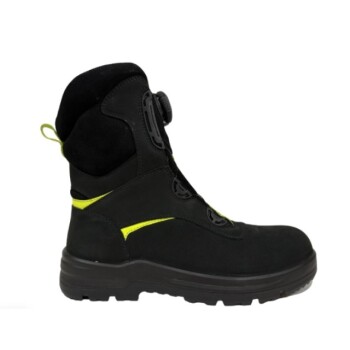
At its core, puncture-resistant soles are a non-negotiable defense against the pervasive threat of sharp debris like nails, metal shards, and stray equipment fragments common to oilfield environments. They prevent direct, debilitating injuries.
Takeaway: The dynamic and often chaotic nature of an oilfield creates a constant risk of underfoot hazards. While puncture resistance is a critical feature designed to prevent immediate injury from sharp objects, it is just one component of a comprehensive safety footwear system required to mitigate the diverse risks of the job.
I understand that my audience needs a comprehensive understanding of why this feature is so important. So, I need to go beyond the surface answer and explore the "why" and "how" of this essential safety measure.
Understanding the Risks:
The oilfield floor isn't just a surface to walk on; it's a landscape of hidden hazards. Think about the nails, metal shards, wire, and construction debris that can easily be obscured in mud, grass, or shadows. A single misstep can lead to a puncture wound, which could result in lost workdays, medical expenses, and even long-term complications. We're talking about a significant operational risk, not just a personal one. Stats show that foot injuries make up a significant portion of workplace accidents, and employers are legally responsible for providing and maintaining safe footwear. The financial and regulatory impact is real.
How Puncture Resistance Works:
We need to understand that this isn't just about a thicker rubber sole. Modern puncture-resistant technology involves materials like Kevlar or steel plates that are integrated into the midsole. These materials create a barrier that sharp objects cannot penetrate, effectively shielding the sole of the foot.
A Holistic Approach to Foot Safety:
But, puncture resistance is just one piece of the puzzle. I believe we must consider a more holistic approach to foot safety. Slip-resistant soles are equally vital, as oilfield surfaces are often slick with mud, oil, or water. We need to be aware that these soles use materials like rubber or polyurethane (PU) to provide crucial traction. Then there's the standard safety toe, steel or composite, which protects against falling objects – another very real danger in this environment. We also should address other potential hazards like chemical spills or electrical shock.
Common Pitfalls to Avoid:
I know people are busy, so I'll point out some common mistakes:
- Don't focus on just one feature. A boot's puncture resistance is important, but so is slip resistance and comfort. A comprehensive approach is necessary.
- Don't sacrifice comfort for safety. An uncomfortable boot, no matter how safe, leads to fatigue, distraction, and reduced productivity. Discomfort will even reduce a worker's willingness to keep it on.
- Don't forget maintenance. Regular inspection and timely replacement of footwear are essential. A worn-out sole, even a puncture-resistant one, loses its effectiveness.
Selecting the Right Footwear:
When making recommendations, I know it's essential to give actionable advice.
**If your primary focus is on areas with significant construction or debris:**Prioritize certified puncture-resistant soles made from materials like Kevlar, but ensure they are paired with a robust safety toe.**If your primary focus is on slick, hazardous surfaces:**Ensure the boot has a high-traction, slip-resistant outsole, as this is your first line of defense against the most common accidents.**If your primary focus is on long shifts and worker endurance:**Look for boots that balance safety features with ergonomic support, cushioning, and breathable materials to minimize fatigue and maximize productivity.
In the end, the right safety footwear is more than just protective gear; it is a fundamental tool for ensuring operational safety, productivity, and the well-being of every worker on site. At its core, puncture-resistant soles are a non-negotiable safety feature for oilfield work because they provide a direct, physical barrier against sharp objects that litter the environment. These soles are specifically engineered to stop nails, metal shards, and other dangerous debris from piercing the footwear and causing severe injury to the foot.
The chaotic and unpredictable nature of an oilfield floor makes puncture wounds a constant and serious threat. While a puncture-resistant sole is the specific solution for this hazard, it must be viewed as one critical component within a comprehensive safety footwear system designed to protect against the full spectrum of on-site risks.
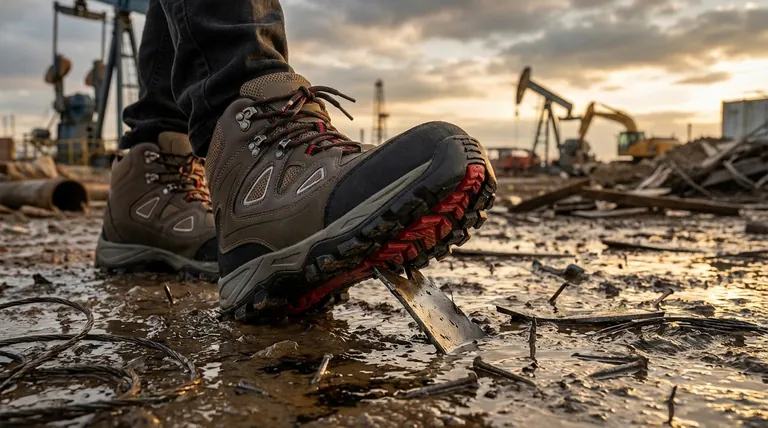
The Unseen Dangers of the Oilfield Floor
To understand the necessity of this feature, one must first appreciate the unique hazards of the work environment. The ground on an oilfield is rarely a clean or predictable surface.
A Landscape of Hidden Hazards
Oilfield operations, construction, and maintenance activities constantly generate debris. This includes dropped nails, screws, sharp metal cuttings, and broken fragments of equipment that can easily become hidden in mud, gravel, or tall grass.
The High Cost of a Single Misstep
Foot injuries account for a significant percentage of all workplace accidents, leading to lost workdays, reduced productivity, and serious financial costs. According to the National Safety Council, tens of thousands of work-related foot injuries occur annually, underscoring the need for proactive protection.
Beyond a Simple Cut
A puncture wound is not a minor injury. It can introduce bacteria deep into the foot, leading to severe infections, and can damage tendons and ligaments, resulting in long-term mobility issues.
How Puncture-Resistant Technology Works
Modern safety footwear integrates advanced materials to provide this crucial layer of protection without adding excessive weight or stiffness.
The Protective Midsole
Puncture resistance isn't part of the outer sole that contacts the ground. Instead, it comes from a protective plate built into the midsole of the shoe, sitting between the outsole and the foot.
Advanced Material Options
Historically, these plates were made of steel. Today, many manufacturers use flexible, non-metallic materials like Kevlar composites, which offer comparable protection with significantly improved comfort and flexibility. This technology effectively creates a shield that sharp objects cannot penetrate.
Beyond Punctures: A Holistic View of Foot Safety
While puncture resistance is vital, it is only one piece of the puzzle. Effective oilfield footwear provides comprehensive protection by addressing multiple threats simultaneously.
Preventing Slips and Falls
Slippery surfaces from oil, water, and mud are arguably the most common daily hazard. Slip-resistant outsoles, typically made of specialized rubber or polyurethane (PU), are designed with tread patterns that provide superior traction and stability.
Impact and Compression Guards
The risk of falling objects, from small tools to heavy equipment, is always present. A protective safety toe (made of steel, aluminum, or a composite material) is essential to shield the foot from crushing and impact injuries.
Comfort and Fatigue Reduction
Safety is compromised when workers are fatigued. Modern safety shoes incorporate features like cushioned insoles and breathable materials to reduce physical strain over long shifts, which helps maintain focus and reduce the likelihood of errors.
Common Pitfalls in Footwear Selection
Choosing the wrong boot can create a false sense of security. Avoiding common mistakes is as important as selecting the right features.
Focusing on a Single Feature
Do not select a boot solely for its puncture resistance while ignoring its slip-resistance rating or comfort. The most effective footwear is one that is rated for the full spectrum of hazards in your specific environment.
Ignoring Comfort and Fit
An uncomfortable boot will not be worn properly and can cause blisters, fatigue, and distraction. This distraction can lead to accidents, negating the value of the shoe's protective features.
Neglecting Maintenance
Safety features wear out. The tread on a slip-resistant sole can become smooth, and the overall structure of the boot can degrade. Regular inspection and timely replacement are critical components of any PPE program.
Making the Right Choice for Your Goal
Your selection should be guided by a clear-eyed assessment of your primary work environment and daily tasks.
- If your primary focus is on new construction or decommissioning sites: Prioritize a certified puncture-resistant sole to defend against the high volume of sharp debris, ensuring it is paired with a robust safety toe.
- If your primary focus is on active drilling floors or production areas: A high-traction, oil- and slip-resistant outsole is your most critical feature for preventing the most frequent type of accident.
- If your primary focus is on long shifts with extensive walking: Balance certified safety features with ergonomic design, lightweight materials, and cushioning to minimize fatigue and maximize worker endurance.
Ultimately, the right safety footwear is not just personal protective equipment; it is a fundamental tool for ensuring operational safety and the well-being of every worker on site.
Summary Table:
| Key Feature | Primary Benefit | Common Materials |
|---|---|---|
| Puncture-Resistant Midsole | Prevents sharp objects (nails, metal) from piercing the foot | Steel, Kevlar, Composite Plates |
| Slip-Resistant Outsole | Provides traction on oily, wet, and muddy surfaces | Specialized Rubber, Polyurethane (PU) |
| Safety Toe Cap | Protects against impact and compression from falling objects | Steel, Aluminum, Composite |
| Ergonomic Design | Reduces fatigue and improves comfort during long shifts | Cushioned Insoles, Breathable Materials |
Protect your workforce with the right safety footwear from 3515.
As a large-scale manufacturer, we produce a comprehensive range of certified safety shoes and boots for distributors, brand owners, and bulk clients. Our production capabilities encompass all types of footwear, including models with advanced puncture-resistant, slip-resistant, and safety toe features tailored for the oil and gas industry.
We ensure durability, comfort, and compliance with international safety standards, helping you reduce workplace injuries and enhance productivity.
Ready to equip your team with reliable safety solutions? Contact our experts today for a customized quote and product recommendations!
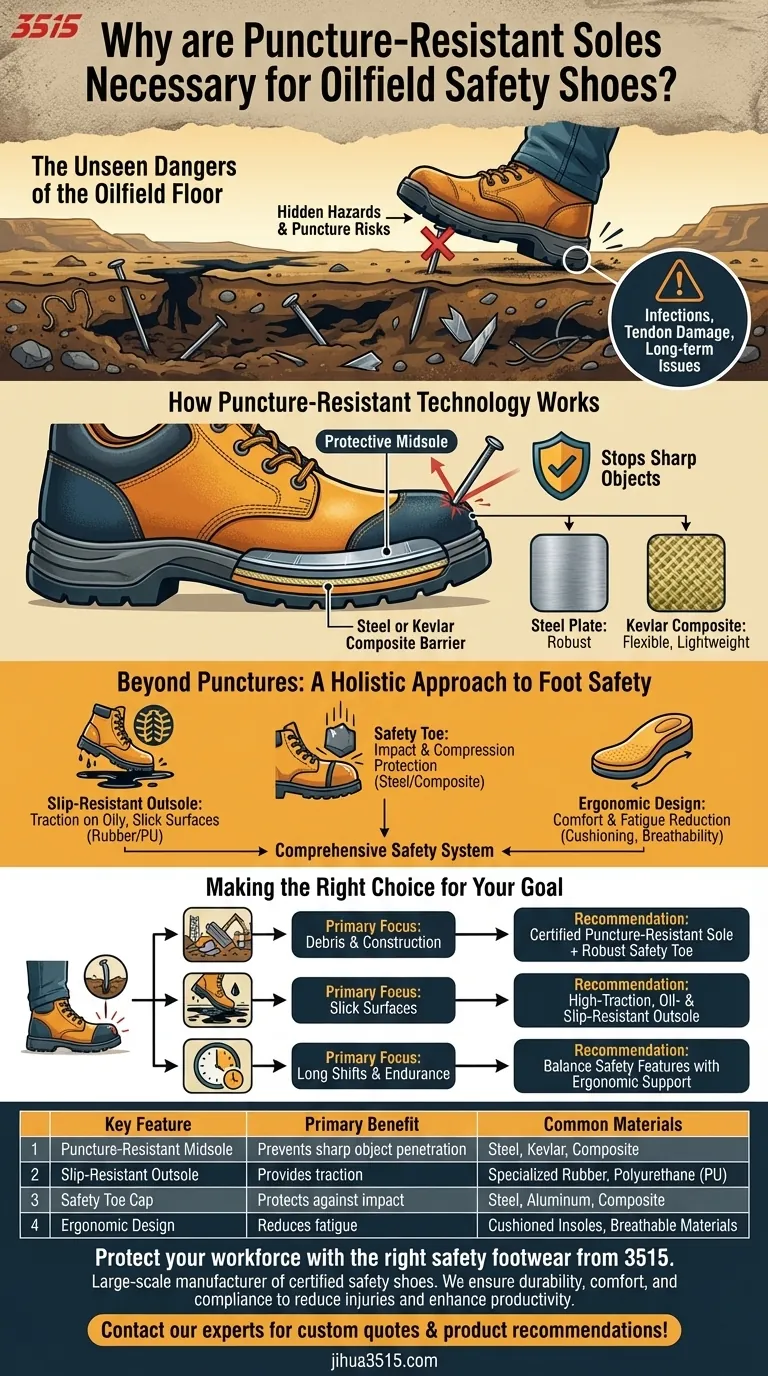
Visual Guide
Related Products
- Wholesale Durable Safety Boots | Custom Steel Toe & Puncture-Resistant Manufacturing
- Wholesale Anti-Smash & Puncture-Proof Safety Shoes Custom Manufacturing for Brands
- Athletic Safety Shoes with Dial Closure & Steel Toe for Wholesale & Custom Manufacturing
- Wholesale Durable Breathable Safety Boots Custom OEM Manufacturer
- Premium High-Cut Waterproof Safety Boots Manufacturing & Wholesale Solutions
People Also Ask
- What materials are commonly used for outsoles in safety boots? A Guide to Durability, Grip, and Comfort
- What are the consequences of not wearing safety boots? Protect Your Finances and Career
- What are the key features of safety boots? Essential Protection for Hazardous Workplaces
- What makes durable safety boots? The Ultimate Guide to Long-Lasting Work Footwear
- How should safety boots be cleaned to avoid damage? A Gentle Guide to Preserve Your Boots