All Questions
What Standards Must Safety Footwear Meet? Ensure Osha & En Iso Compliance
Learn about ASTM F2413 and EN ISO 20345 standards for safety footwear, including impact, compression, and puncture resistance requirements.
What Is The Purpose Of Safety Footwear In The Workplace? Essential Protection For Your Workforce
Discover the vital role of safety footwear in protecting workers from impact, punctures, slips, and other common workplace hazards.
What Maintenance Tips Are Recommended For Leather Safety Footwear? Extend Lifespan & Preserve Safety
Discover the essential 3-step routine to clean, condition, and protect leather safety boots. Prevent cracking and maintain protective qualities.
Why Is Rotating Between Two Pairs Of Safety Shoes Beneficial? Extend Lifespan And Boost Foot Health
Learn how rotating safety shoes prevents moisture damage, extends footwear life, and improves foot comfort. Essential for industrial workers.
How Can Workers Extend The Life Of Their Safety Footwear? Proactive Maintenance Tips For Long-Lasting Protection
Learn essential maintenance strategies like boot rotation, cleaning, and conditioning to significantly extend the lifespan of your safety footwear.
How Can Workers Determine When To Replace Safety Footwear? Ensure Maximum Protection With Timely Replacement
Learn the critical signs for replacing safety footwear, from damaged toe caps to worn soles, to prevent workplace injuries and ensure compliance.
How Can Workers Verify The Legitimacy Of Safety Shoe Certifications? A 3-Step Guide To Guaranteed Safety
Learn the 3-step process to verify safety shoe certifications, including physical inspection, supplier vetting, and documentation checks for compliance.
What Factors Should Be Considered When Selecting Industry-Appropriate Safety Shoes? A Guide To Matching Hazards With Protection
Learn how to select safety footwear by analyzing workplace hazards, material specifications, and compliance certifications for optimal protection.
What Are The Critical Tests Performed On Safety Footwear? A Guide To Astm-Certified Protection
Learn about the essential safety footwear tests for impact, compression, puncture resistance & electrical hazards to meet OSHA standards and protect your workforce.
How Do Iso, En, And Ansi Safety Standards Differ? Navigate Global Compliance For Market Access
Understand the key differences between ISO, EN, and ANSI safety standards for global compliance, market access, and workplace safety.
What Are The Key Differences Between En Iso 20345 And En Iso 20347 Certifications? Choose The Right Footwear For Your Workplace Safety
EN ISO 20345 requires a protective toe cap for impact; EN ISO 20347 focuses on slip resistance and comfort. Select the right safety standard.
What Additional Protection Levels Were Introduced Beyond The Standard S1-S3 Ratings? S4 To S7 Explained
Learn about the S4, S5, S6, and S7 safety footwear ratings, their key differences in water and puncture protection, and how to choose the right level.
What Are The Basic European Safety Standard Categories For Work Footwear? A Guide From Sb To S5
Understand European safety footwear standards (SB, S1, S2, S3, S4, S5). Learn which category is right for your work environment and safety needs.
What Is The Primary Purpose Of Safety Shoes? Your Ultimate Guide To Workplace Foot Protection
Discover the critical role of safety shoes in protecting workers from impact, punctures, slips, and chemical hazards. Learn how to select the right PPE.
What Factors Should Be Considered When Choosing The Appropriate Type Of Safety Footwear? A Guide To Maximum Protection
Learn key factors for selecting safety footwear: hazard assessment, construction materials, and compliance with OSHA/ASTM standards for optimal protection.
What Are Aluminum-Toed Shoes And How Do They Differ From Steel-Toed Shoes? Choose The Right Safety Toe For Your Job
Discover the key differences between aluminum and steel-toed shoes: weight, comfort, corrosion resistance, and magnetic properties for your work environment.
What Are The Key Differences Between Carbon Fiber And Composite-Toe Shoes? Choose The Best For Comfort & Safety
Carbon fiber toes are a premium, lightweight type of composite toe. Learn the key differences in weight, cost, and protection to choose the right safety footwear.
What Are The Advantages Of Composite-Toed Shoes? Lighter, Safer, And More Comfortable
Discover the key benefits of composite-toed shoes: lightweight comfort, electrical hazard protection, and superior temperature insulation.
What Are Composite-Toed Shoes And What Materials Are They Made From? Lightweight, Non-Conductive Safety Footwear
Discover composite-toed shoes: their materials (carbon fiber, Kevlar, fiberglass), benefits like electrical hazard protection, and ideal work environments.
What Are The Key Features Of Proper Work Shoes For Standing? Essential Guide For All-Day Comfort & Safety
Discover the essential features of work shoes for standing, including arch support, proper fit, and job-specific safety features for lasting comfort.
What Additional Safety Features Can Oil-Resistant Shoes And Boots Have? Maximize Protection For Your Work Environment
Explore key safety features like impact protection, slip resistance, and specialized ratings for oil-resistant footwear to enhance workplace safety.
Why Is It Important To Care For Work And Safety Shoes? Extend Protection & Maximize Value
Learn why proper shoe care is critical for safety, longevity, and comfort. Avoid premature failure and protect your investment in essential PPE.
What Steps Can Be Taken If Suitable Footwear For All Dangers Is Not Available? Build A Safer Workplace Beyond The Boot
Learn how to use the Hierarchy of Hazard Controls to protect workers when footwear has limitations. Focus on engineering and administrative solutions for true safety.
What Resources Can Help In Evaluating Footwear? A Guide To Selecting The Right Safety Shoes
Learn how to evaluate footwear using ASTM standards and manufacturer expertise to match safety features to your specific workplace hazards.
What Factors Should Be Considered When Evaluating Footwear Options? Match Your Needs For Safety & Performance
Learn how to evaluate footwear by matching protective features, durability, and weight to your specific activity, environment, and body support needs.
How Can Injury Records Help In Identifying Footwear-Related Dangers? Turn Data Into Proactive Safety
Learn to analyze injury records to uncover footwear-related hazards. Identify patterns to prevent slips, punctures, and impacts with targeted PPE solutions.
What Are Some Examples Of Footwear Requirements In Different Work Settings? Ensure Safety And Compliance
Explore workplace footwear requirements for offices, kitchens, and construction sites. Learn about OSHA standards, slip resistance, and safety features.
What Is The Process For Evaluating Job Dangers Related To Footwear? A Guide To Systematic Hazard Assessment
Learn the step-by-step process for assessing workplace footwear hazards, from environmental analysis to task-specific risks, ensuring optimal employee safety.
Why Is It Important For Management To Set Footwear Requirements? Ensure Workplace Safety And Compliance
Learn why management must set footwear standards to close safety knowledge gaps, prevent injuries, and fulfill legal duty of care.
What Challenges Do Safety Managers Face In Different Work Environments Regarding Footwear? Tailor Your Strategy For Any Risk Level
Learn how to address footwear safety challenges from high-hazard sites to low-risk offices, balancing protection, compliance, and comfort.
How Can Ill-Fitting Footwear Affect Employees? Avoid Hidden Costs & Boost Productivity
Learn how improper footwear causes injuries, chronic pain, and lost productivity. Discover proactive solutions for a safer, healthier workforce.
What Are The Common Workplace Dangers That Can Affect Employees' Feet? Protect Your Team From Top Hazards
Learn about the top workplace foot dangers, from heavy objects and punctures to slips and fatigue, and how to choose the right protective footwear.
Can Moc Toe Boots Be Safety Boots? Blending Classic Style With Certified Protection
Discover how moc toe boots can be certified safety boots with steel or composite toes, slip-resistant soles, and ASTM ratings for workplace hazards.
What Is The Role Of Scuffcaps In Safety Footwear? Extend Your Boot's Lifespan With Durable Protection
Discover how scuffcaps protect safety footwear from abrasion, extend service life, and when to choose leather vs. TPU materials for your work.
What Are The Advantages Of Textile Penetration-Resistant Insoles? Lighter, More Flexible Foot Protection
Explore the benefits of textile penetration-resistant insoles vs. steel: superior flexibility, lighter weight, full-foot coverage, and better thermal comfort.
What Are Penetration-Resistant Insoles In Safety Footwear? Steel Vs. Textile For Ultimate Protection
Compare steel vs. textile puncture-resistant insoles. Learn which offers better protection, comfort, and thermal insulation for your work environment.
What Is The Purpose Of The Midsection With Insert For Ladder Support In Safety Footwear? Enhance Stability & Safety
Discover how ladder support in safety footwear prevents sole flex, reduces foot fatigue, and protects against abrasion for secure climbing.
What Materials Are Used For Outsoles In Safety Footwear? Find The Right Fit For Your Job
Compare rubber, PU, and TPU safety shoe outsoles. Learn which material offers the best durability, comfort, and protection for your work environment.
What Is The Role Of The Insole In Safety Footwear? The Unsung Hero For Safety & Stability
Discover the critical role of the insole in safety boots: structural stability, moisture control, and antistatic protection for your workforce.
What Is The Function Of Removable Insoles In Safety Footwear? Maximize Comfort & Foot Health
Learn how removable insoles in safety boots provide shock absorption, moisture management, and support to reduce foot fatigue and improve hygiene.
What Are The Benefits Of Elastic Lacing Systems In Safety Footwear? Boost Speed, Security & Comfort
Discover how elastic lacing systems in safety boots provide speed, consistent security, and adaptive comfort for demanding work environments.
Why Is Padding Important In Safety Footwear? Key To All-Day Comfort & Injury Prevention
Learn how padding in safety boots distributes pressure, prevents blisters, and ensures a secure fit for long-term comfort and protection.
What Is The Purpose Of The Heel Cap In Safety Footwear? Essential For Stability And Injury Prevention
Discover the critical role of the heel cap in safety boots for preventing ankle sprains and ensuring a secure, stable fit in demanding work environments.
What Are The Functions Of The Lining Material In Safety Footwear? Unlock All-Day Comfort & Performance
Learn how safety footwear lining manages moisture, regulates temperature, and resists abrasion for superior comfort and durability on the job.
What Materials Are Used For The Upper Part Of Safety Footwear? Choose The Right Protection For Your Job
Explore the pros and cons of leather, synthetic, and textile uppers for safety footwear to find the best fit for your work environment.
What Are The Advantages Of Using Plastic Toe Caps In Safety Footwear? Lightweight & Metal-Free Protection
Discover the key benefits of plastic toe caps: lightweight comfort, metal-free design for security checkpoints, and non-conductive electrical safety.
What Are The Main Components Of Safety Footwear? A Guide To Protective Footwear Anatomy
Learn about the key components of safety footwear, including the upper, sole assembly, and specialized features for impact, puncture, and slip resistance.
What Are The Key Considerations For Choosing Work Shoes For Warehouse Employees? Prioritize Safety, Comfort & Durability
Learn how to select warehouse work shoes. Key factors include safety toes, slip resistance, all-day comfort for hard floors, and durability for specific job hazards.
What Are Osha Approved Shoes? Understanding The Correct Standards For Workplace Safety
OSHA doesn't approve shoes. Learn how to select compliant safety footwear that meets ASTM F2413 standards for impact, compression, and electrical hazards.
How Long Can You Wear Safety Boots? The Lifespan Is Determined By Wear, Not Time
Learn when to replace safety boots based on wear, not just time. A guide to inspecting the midsole, outsole, toe cap, and upper for maximum protection.
What Is The Difference Between Work Boots And Safety Boots? Certified Protection Vs. General Durability
Safety boots are certified to meet standards like ASTM F2413 for impact/puncture resistance. Work boots are general-purpose. Learn the key distinctions for workplace safety.
Are Safety Shoes Worth It? The Critical Investment In Workplace Safety & Foot Health
Discover why safety shoes are a vital investment for preventing injuries and ensuring long-term foot health. Learn about key protective features and benefits.
What Does Safe Footwear Mean? The Ultimate Guide To Choosing The Right Ppe For Your Job
Learn what safe footwear truly means, from impact and puncture protection to key standards like CSA and ASTM. Choose the right PPE for your workplace hazards.
What Is The Difference Between Soft Toe And Safety-Toe? Choose The Right Toe Protection For Your Job
Learn the key differences between soft toe, steel toe, composite toe, and alloy toe boots to select the safest and most comfortable footwear for your work environment.
Is Safety-Toe As Good As Steel Toe? Choose The Right Protection For Your Job
Learn the differences between steel, composite, and alloy safety toes. All meet the same ASTM safety standards, but offer unique benefits.
What Is The Osha Standard For Safety-Toe Boots? Ensuring Compliance And Worker Protection
Learn the OSHA 1910.136 standard and how it relies on ASTM F2413 for safety-toe boot impact, compression, and hazard ratings.
What Is A Safety-Toe In A Boot? Your Guide To Choosing The Right Protection
Learn about safety-toe boots, their critical role in protecting feet from impact and compression, and the differences between steel, composite, and alloy toes.
Is Safety Toe Better Than Steel Toe? A Guide To Choosing The Right Protection
Steel toe vs. composite toe: Compare protection, comfort, and environmental performance to choose the right safety boot for your job.
Is Composite Toe As Safe As Steel Toe? Yes, And Here's Why It Might Be The Smarter Choice.
Composite toe boots meet the same ASTM safety standards as steel toe. Learn the key differences in weight, insulation, and electrical safety.
What Are The Pros And Cons Of Composite Toe? A Guide To Lighter, Safer Footwear
Explore the benefits of composite toe boots: lighter weight, thermal insulation, and electrical hazard protection. Understand the trade-offs for your work.
Does Osha Allow Composite Toe Boots? Understanding Compliance And Safety Standards
Learn how OSHA permits composite toe boots that meet ASTM F2413 standards for impact and compression resistance. Ensure your footwear is compliant.
What Boots Do They Wear On Oil Rigs? Essential Safety Footwear For Harsh Conditions
Discover the key features of oil rig boots, including waterproofing, steel toes, and slip-on design for safety and quick removal in emergencies.
What Are The Requirements For Oilfield Boots? Essential Safety & Durability Features
Learn the key requirements for oilfield boots, including certified safety toes, slip resistance, and waterproofing for maximum on-site protection.
What Shoes To Wear For A Security Job? Durable, Protective Footwear For Long Shifts
Discover the best tactical and work boots for security jobs. Features include slip resistance, ankle support, and all-day comfort for safety professionals.
What Are The Best Security Shoes? Match Your Footwear To Your Job's Hazards
Discover how to choose the best security shoes. Learn key safety features like steel/composite toes, EH rating, and slip resistance for your specific work environment.
What Is An Osha Approved Boot? The Truth About Compliant Safety Footwear
Discover why OSHA doesn't approve boots, the real ASTM F2413 standard, and how to choose compliant safety footwear for your workplace.
How Do I Choose The Best Safety Shoes? Match Certified Features To Your Hazards
Learn to select safety shoes by first assessing workplace hazards. A guide to safety toes, slip resistance, electrical ratings, and proper fit.
What Is An Osha Approved Shoe? The Truth About Compliant Safety Footwear
OSHA doesn't approve shoes. Learn how to identify truly compliant safety footwear by reading the ASTM F2413 label for impact, compression & EH ratings.
What Is The Most Comfortable Safety Shoe? Find The Perfect Fit For All-Day Comfort
Discover how to choose the most comfortable safety shoe based on fit, cushioning, weight, and protection. Learn key features for reducing fatigue.
How Much Should I Spend On Safety Shoes? A Guide To Smart Investment In Foot Protection
Learn how much to budget for safety shoes ($100-$300+). Understand the cost factors: protection level, materials, and comfort tech for long-term value.
Are There Any Comfortable Safety Shoes? Discover Lightweight, Cushioned Work Footwear
Modern safety shoes combine protection with athletic comfort. Learn about lightweight materials, shock absorption, and features for all-day wear.
Are Safety Shoes Good For Walking? Why Purpose-Built Footwear Matters For Comfort And Health
Discover why safety shoes are not ideal for walking. Learn how their rigid design increases strain and fatigue compared to dedicated walking shoes.
Why Do My Feet Hurt In Safety Shoes? How To Fix The Safety Vs. Comfort Conflict
Learn why rigid safety shoes cause foot pain and discover solutions for better comfort, from proper fit to modern ergonomic designs.
Can You Wear Safety Shoes All Day? How To Choose For Maximum Comfort & Protection
Learn how to select the right safety shoes for all-day wear. Discover the benefits of lightweight composite toes and proper fit for comfort and compliance.
What Should Safety Shoes Have? Essential Features For Ultimate Workplace Protection
Discover the key components of safety shoes, from toe caps to slip-resistant soles, and learn how to choose the right protection for your job hazards.
What Makes A Safety Shoe A Safety Shoe? Essential Protection For Hazardous Work
Discover the key features of certified safety shoes: protective toe caps, slip-resistant soles, and puncture-resistant plates for workplace safety.
What Makes A Shoe Safe? Find The Perfect Fit For Your Environment's Risks
Learn how a shoe's stability, slip resistance, and protective features must be matched to your specific environment to ensure true safety.
Why Do My Feet Hurt When I Wear Safety Shoes? Solve Toe Pain, Blisters & Fatigue
Learn why safety shoes cause foot pain from rigid toe caps, poor fit & heavy weight. Get expert tips to find comfortable, protective footwear.
Are Safety Shoes Good For Feet? How To Choose Footwear That Protects And Supports
Learn how modern safety shoes prevent injuries while providing comfort and support for long-term foot health. Essential guide for workers.
In What Ways Do Shoes Protect Your Feet? Essential Safety Features Explained
Learn how shoes shield your feet from environmental hazards, provide biomechanical support, and offer specialized workplace protection against punctures and electrical risks.
How Do Safety Shoes Protect You? A Guide To Essential Footwear Safety Features
Discover how safety shoes shield your feet from impacts, punctures, chemicals, and electrical hazards to meet workplace safety standards.
What Should I Look For In A Safety Shoe? Find The Perfect Protection For Your Job
Key safety shoe features: protective toe caps, slip-resistant soles, and all-day comfort. Match the right shoe to your specific workplace hazards.
Related Products

Advanced KPU Athletic Safety Shoe with Steel Toe Cap Anti-Slip Rotary Lacing System
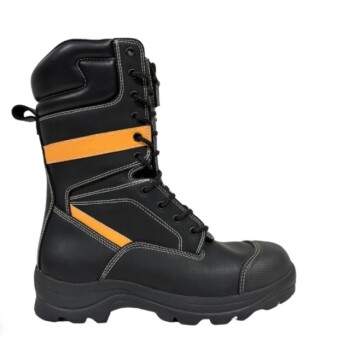
Premium Flame-Retardant Waterproof Safety Boots and Shoes
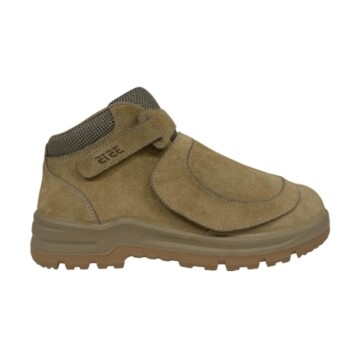
Premium Suede Metatarsal Guard Safety Boots Work Shoes

Premium KPU Athletic Safety Shoes for Wholesale

Premium Wheat Nubuck Safety Shoes for Bulk Distribution
