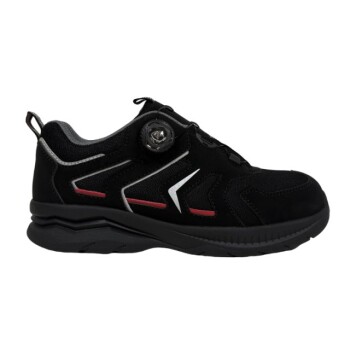
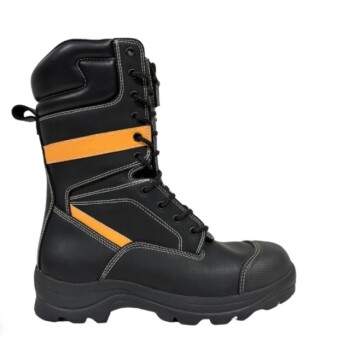
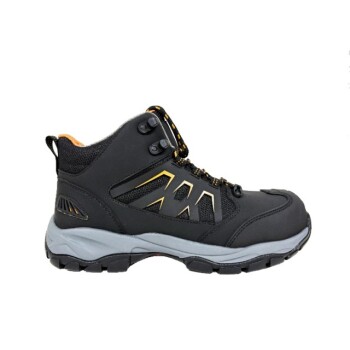
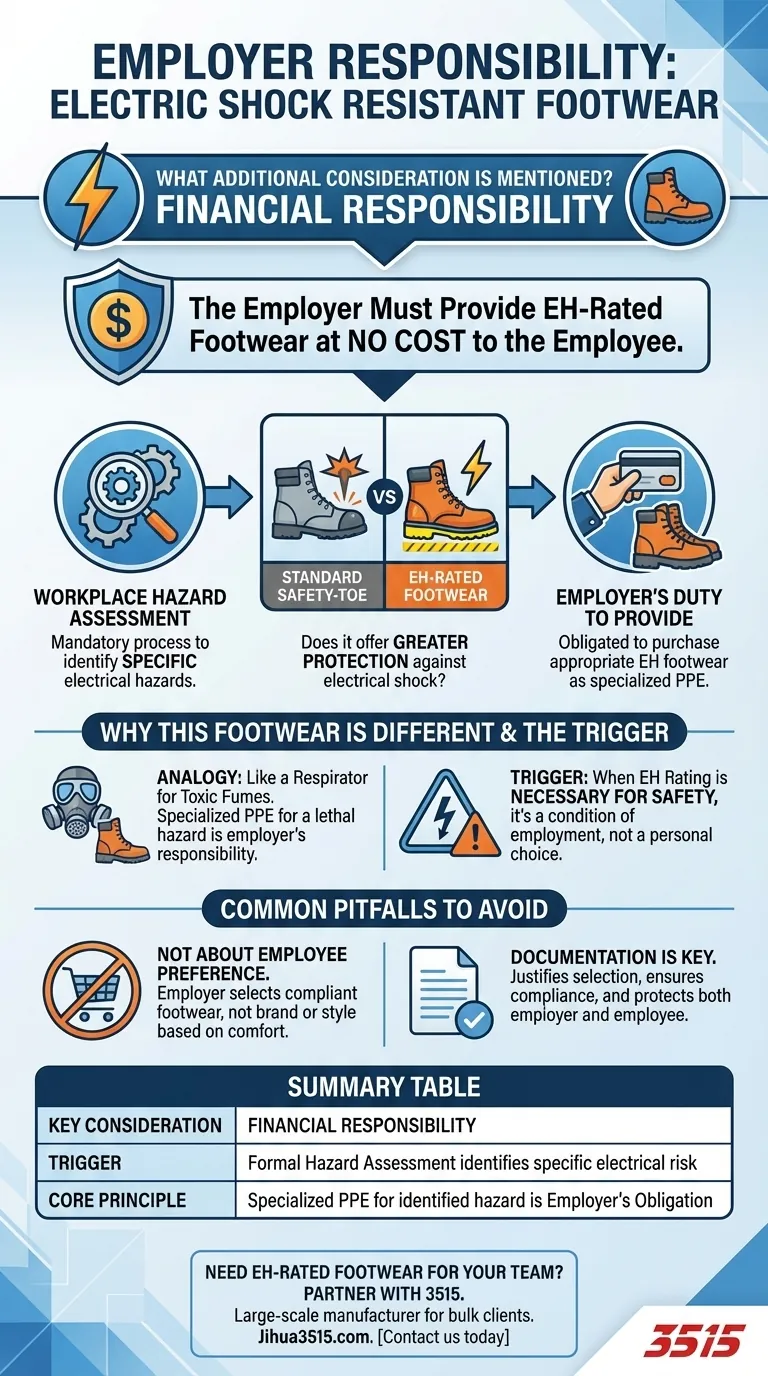
When selecting electric shock resistant footwear, the primary additional consideration is financial responsibility. If a formal workplace hazard assessment identifies a need for this specific type of protection, the employer is obligated to provide the footwear at no cost to the employee. This requirement is triggered when the footwear offers greater protection against electrical hazards than what is provided by normal safety-toe shoes.
The core principle is that specialized Personal Protective Equipment (PPE) required to mitigate a specific, identified workplace hazard—like electric shock—is the employer's responsibility to provide, not the employee's to purchase.

The Foundation: The Workplace Hazard Assessment
Identifying the Specific Risk
Everything begins with a thorough workplace hazard assessment. This is a mandatory process where an employer must systematically identify all potential dangers present in the work environment. For this rule to apply, the assessment must specifically identify the presence of electrical hazards that could harm an employee.
Defining "Greater Protection"
The key phrase is "greater protection." Standard safety-toe footwear protects against impact and compression (e.g., a heavy object falling on the foot). Electric shock resistant (EH) footwear has insulated soles and heels designed to reduce the potential for electric shock when the footwear is the primary source of protection. This is a distinct and specialized safety feature.
The Employer's Duty to Select
Based on the assessment's findings, the employer is responsible for selecting the appropriate PPE. If the hazard is electric shock, selecting EH-rated footwear is the necessary control measure. The decision is based on risk, not on employee preference or comfort.
Unpacking the "No-Cost" Obligation
Why This Footwear is Different
Many regulations consider standard safety-toe footwear as equipment that can be used outside of work, which can sometimes complicate payment rules. However, EH-rated footwear is considered specialized PPE directly tied to mitigating a specific and potentially lethal workplace hazard.
The Trigger for Employer Payment
The obligation for the employer to pay is triggered when the hazard assessment dictates that the EH rating is necessary for safety. The cost cannot be passed on to the employee because the need for protection is a condition of their employment, created by the work environment itself.
An Analogy: The Respirator
Think of it like a respirator for a painter exposed to toxic fumes. The employer identifies the fume hazard and provides the correct respirator at no cost. The same logic applies here: the employer identifies the electrical hazard and must provide the necessary EH footwear.
Common Pitfalls to Avoid
It's Not About Employee Preference
This rule is not a loophole for employees to get free boots of their choosing. The employer's obligation is to provide footwear that meets the required EH safety standard. The specific brand, style, or features beyond the necessary rating are at the employer's discretion.
"Normal" vs. Specialized Equipment
The distinction between "normal" and "specialized" is critical. If a job only requires a basic steel-toe boot for impact protection, the rules around payment can be different. The "no-cost" provision is specifically highlighted here because of the specialized nature of the electrical hazard protection.
The Importance of Documentation
A well-documented hazard assessment is the cornerstone of any PPE program. It protects the employer by justifying the selection of specific safety equipment and protects the employee by ensuring their safety needs have been properly evaluated and addressed.
Making the Right Choice for Your Role
A clear understanding of this principle is vital for both employers and employees to ensure a safe and compliant workplace.
- If your primary focus is managing a worksite: You must conduct and document a thorough hazard assessment for every role. If electrical hazards are present, you must budget to provide compliant EH footwear at no cost to the affected employees.
- If your primary focus is your personal safety as an employee: Understand the risks of your job. If you work near electrical hazards, inquire about the hazard assessment and ensure the protective footwear provided to you is EH-rated and in good condition.
Ultimately, proper PPE selection and provision are fundamental pillars of a strong safety culture.
Summary Table:
| Key Consideration | Description |
|---|---|
| Financial Responsibility | Employer must provide EH-rated footwear at no cost to the employee. |
| Trigger | A formal workplace hazard assessment identifies a specific electrical hazard requiring EH-rated protection. |
| Core Principle | Specialized PPE for a specific, identified hazard is the employer's obligation to provide. |
Need EH-Rated Footwear for Your Team? Partner with 3515.
As a large-scale manufacturer, 3515 produces a comprehensive range of certified safety footwear, including electric shock resistant (EH) models, for distributors, brand owners, and bulk clients. We ensure your workforce has the compliant, high-quality protection they need, directly supporting your obligation to provide specialized PPE.
Contact us today to discuss your EH-rated footwear requirements and request a quote.
Visual Guide
Related Products
- Wholesale Durable Safety Boots | Custom Steel Toe & Puncture-Resistant Manufacturing
- Wholesale Anti-Smash & Puncture-Proof Safety Shoes Custom Manufacturing for Brands
- Premium Safety Shoes with Rotating Buckle Safety Sneakers
- Premium Suede Sport Safety Shoes for Wholesale & Bulk Orders
- Wholesale Customizable Safety Boots Durable & Protective Footwear Manufacturing
People Also Ask
- Why is proper storage important for safety boots? Preserve Protection and Extend Lifespan
- How should safety boots be cleaned to avoid damage? A Gentle Guide to Preserve Your Boots
- What are the risks of using ordinary rubber boots in forest clearing? Why professional safety boots are essential
- What are the consequences of not wearing safety boots? Protect Your Finances and Career
- What are the key features of safety boots? Essential Protection for Hazardous Workplaces