
From a technical standpoint, suede leather used in labor protection shoes is characterized by its exceptional breathability, comfort, and flexibility. It is made by buffing the inner layer of the hide, creating a soft, velvet-like texture that makes it lightweight and comfortable for long periods of wear, but this comes at a significant cost to its durability and resistance to environmental factors.
The core trade-off with suede safety footwear is choosing superior comfort and breathability for a dry, clean environment at the direct expense of protection against water, stains, and harsh industrial contaminants.
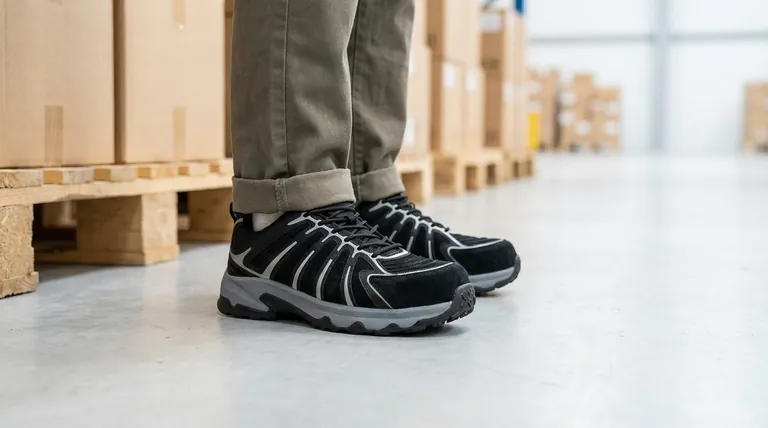
The Primary Advantages of Suede
Suede's unique structure offers distinct benefits, primarily centered around wearer comfort during long shifts in specific conditions.
Unmatched Breathability
The napped, fibrous surface of suede is highly porous. This structure allows air and water vapor to pass through easily, which is a significant advantage for thermal regulation and reducing perspiration inside the shoe.
Superior Comfort and Flexibility
Suede is inherently softer and more pliable than traditional full-grain leather. This results in a much shorter break-in period and a lightweight feel, reducing foot fatigue over the course of a workday.
Aesthetic Qualities
With its unique texture and ability to be dyed in various colors, suede offers a more casual and elegant appearance than typical work boots. This makes it a popular choice for roles where a less industrial look is preferred.
The Critical Limitations in a Work Environment
While comfortable, suede's defining characteristics also create its greatest weaknesses in a demanding labor protection context.
High Susceptibility to Water and Stains
The same porous nature that makes suede breathable also makes it highly absorbent. It is extremely prone to water damage and staining, compromising both its integrity and its protective qualities when exposed to liquids.
Difficult Maintenance and Cleaning
Unlike smooth leather, which can be wiped clean, dirt and grime become deeply embedded in suede's fibers. This makes it very difficult to maintain and unsuitable for dirty, dusty, or muddy work environments.
Poor Chemical Resistance
As a form of natural leather with an open-pored surface, suede offers poor resistance to corrosion and chemical splashes. This makes it an unsafe choice for environments like chemical plants or labs where exposure is a risk.
Understanding the Trade-offs
Choosing suede for a work shoe is a clear exercise in prioritizing one set of features over another. It is not an all-purpose material.
Comfort vs. Durability
The primary trade-off is comfort versus ruggedness. You gain a lightweight, breathable shoe that feels good on the foot, but you sacrifice the robust protection against abrasion, moisture, and contamination that defines heavy-duty work footwear.
Environment-Specific Application
Suede is fundamentally a material for dry, indoor, or light-duty applications. Its benefits are quickly negated in outdoor, wet, or chemically hazardous conditions where more resilient materials are required for safety and longevity.
Making the Right Choice for Your Role
Base your decision on a realistic assessment of your daily work environment.
- If your primary focus is all-day comfort in a dry, indoor setting (e.g., warehousing, light assembly, logistics): Suede is an excellent choice that can significantly reduce foot fatigue.
- If your work involves outdoor exposure, wet conditions, or contact with dirt, oil, or chemicals (e.g., construction, agriculture, industrial maintenance): You should avoid suede and opt for full-grain, treated leather or synthetic materials.
Ultimately, selecting suede is a conscious decision to prioritize comfort in an environment where its weaknesses are not a liability.
Summary Table:
| Characteristic | Advantage | Limitation |
|---|---|---|
| Breathability | Excellent for thermal regulation, reduces sweat | Highly porous, absorbs water easily |
| Comfort | Soft, flexible, lightweight, short break-in period | Less durable and abrasion-resistant |
| Maintenance | Unique, aesthetic appearance | Difficult to clean; stains and dirt embed in fibers |
| Durability | Ideal for dry, indoor settings | Poor resistance to chemicals, water, and harsh conditions |
Struggling to choose the right material for your workforce's safety shoes?
As a large-scale manufacturer, 3515 produces a comprehensive range of footwear for distributors, brand owners, and bulk clients. Our production capabilities encompass all types of shoes and boots, including specialized options for various work environments. We can help you select or manufacture the perfect safety footwear that balances comfort, durability, and protection for your specific needs.
Contact our experts today for a consultation and let us provide the right footwear solution for your business.
Visual Guide

Related Products
- Premium Suede Sport Safety Shoes for Wholesale & Bulk Orders
- Durable Leather Safety Boots for Wholesale & Custom OEM Manufacturing
- Premium Grain Leather Safety Boots for Bulk Supply
- Durable Leather Work Boots for Wholesale & Custom Manufacturing
- Durable Leather Work Boots for Wholesale & Custom OEM Manufacturing
People Also Ask
- What are the primary functions of professional safety shoes? Maximize Safety in Water Supply Confined Spaces
- What industries have specific OSHA footwear requirements? Ensure Compliance & Protect Your Workforce
- What role do specialized safety shoes play in preventing falls? Engineering Stability in Industrial Environments
- How do the 3R principles influence green footwear design? Master Sustainable Safety Shoe Manufacturing
- How Specialized Footwear Impacts Side-Cutting Performance and Injury Risk Assessment



















