All Questions
What Organization Sets The Standards For Safety Footwear Toe Cap Performance? Astm F2413 Explained
Learn about ASTM F2413, the key standard for safety toe caps. Understand impact & compression resistance for steel, composite, and alloy toes.
What Should Be Considered When Choosing Safety Shoes For A Specific Work Environment? A Guide To Perfect Hazard-To-Feature Matching
Learn how to select the right safety shoes by first assessing workplace hazards like impact, slips, and punctures, then matching them to certified features.
What Additional Features Do S5 Safety Boots Have Compared To S4? Enhanced Puncture & Slip Resistance For Hazardous Sites
S5 boots add a penetration-resistant midsole and a cleated outsole to S4's waterproofing. Choose the right protection for your work environment.
How Do S4 Safety Boots Differ From S1 Safety Shoes? Choose The Right Protection For Wet Or Dry Work.
S1 vs S4 safety footwear: Learn the key difference in water resistance and which rating is required for your specific work environment.
What Makes S3 Safety Shoes Suitable For High-Risk Work Environments? A Guide To Multi-Hazard Protection
Discover why S3 safety shoes offer essential protection against impact, puncture, and water for construction, industry, and outdoor work.
What Additional Protection Do S2 Safety Shoes Offer Compared To S1? The Key Difference Is Water Resistance
S2 safety shoes add water-repellent uppers to S1's impact protection. Learn when to choose S2 for damp work environments.
What Is The Difference Between S1 And S1P Safety Shoes? A Guide To Puncture-Resistant Protection
S1 vs S1P safety shoes: S1P adds a puncture-resistant midsole for protection against sharp objects from below. Choose the right safety standard for your workplace.
What Are The Key Features Of S1 Safety Shoes? A Guide To Essential Workplace Protection
Discover the 3 core protections of S1 safety shoes: impact-resistant toecap, antistatic sole, and energy-absorbing heel. Learn when to choose S1 for dry work environments.
What Are The Main Safety Features Of S1-S5 Shoes? The 3 Essential Protections Explained
Learn the 3 core safety features all S1-S5 shoes share: 200-joule toecap, antistatic properties, and energy-absorbing heel.
What Other Safety Footwear Standards Are Mentioned Besides Astm And Iso? Navigating Global Compliance
Learn about AS/NZS, JIS, GOST & other regional safety footwear standards, all harmonized with the core ASTM and ISO benchmarks.
What Is The Difference Between En Iso 20345 And En Iso 20347? Choose The Right Footwear For Your Workplace Safety
Learn the key differences between EN ISO 20345 (safety footwear) and EN ISO 20347 (occupational footwear) to ensure proper protection and compliance.
What Are The Different Safety Classes Under En Iso 20345? A Guide From Sb To S5
Learn the EN ISO 20345 safety classes (SB, S1, S1P, S2, S3, S4, S5) and how to choose the right protective footwear for your work environment.
What Is The Requirement For Front Foot Protection Under En Iso 20345? The 200 Joule Safety Standard Explained
EN ISO 20345 requires a 200 joule impact-resistant toe cap. Learn how this standard works with S-class ratings for full protection.
What Is The Current Safety Footwear Standard In Europe? Your Guide To En Iso 20345
Learn about the EN ISO 20345:2011 safety footwear standard, its S1 to S3 ratings, and how to choose the right protection for your work environment.
What Are The Key Requirements For Astm F2413 Conforming Safety Footwear? A Guide To Selecting The Right Protection
Learn the mandatory and optional ASTM F2413 safety footwear requirements, including impact, compression, puncture, and electrical hazard ratings.
What Was The Astm 2413 Standard Introduced To Replace? Understanding The Shift From Ansi Z41
Learn why ASTM F2413 replaced ANSI Z41 for protective footwear testing, including key changes in safety standards and labeling requirements.
What Organization Develops The Astm F2413 Standard? Decode Your Safety Footwear's Protection
ASTM International develops the ASTM F2413 standard. Learn how to decode its safety codes for impact, compression, and electrical hazards.
What Are The Two Main Standards For Safety Footwear? Astm Vs. En Iso Explained
Learn the key differences between ASTM F2413 and EN ISO 20345 safety footwear standards for US and global compliance and worker protection.
What Should Workers Consider When Selecting Protective Footwear? Match Your Boot To The Hazard For Ultimate Safety
A guide to choosing protective footwear based on workplace hazard assessment, proper fit, and key features for safety, comfort, and stability.
What Hazards Is Workplace Protective Footwear Designed To Protect Against? Ensure Complete Worker Safety
Learn how protective footwear guards against impact, puncture, slips, chemicals, and electrical hazards to meet safety standards.
What Qualities Should Good Protective Footwear Have? Ensure Safety, Comfort, And Durability
Discover the essential qualities of protective footwear: anatomical fit, stability, shock absorption, and correct sizing for maximum safety and comfort.
What Potential Foot Injury Hazards Exist In Workplaces? A Guide To Mitigating Common Risks
Learn about common workplace foot hazards like crushing, punctures, slips, and chemical exposure. Discover how to select the right safety footwear for your environment.
What Standards Must Protective Footwear Meet? A Guide To Astm F2413 And F2412 Compliance
Learn about ASTM F2413 and F2412 standards for protective footwear, including impact, compression, and electrical hazard ratings for workplace safety.
What Osha Requirements Exist For Protective Footwear? Ensure Full Compliance & Protect Your Team
Understand OSHA's protective footwear rules: hazard assessment, employer duties, and selecting ASTM F2413-compliant safety shoes.
What Are The Two Major Categories Of Work-Related Foot Injuries? Protect Your Workforce From Head To Toe
Learn the two main types of foot injuries at work: direct trauma and slips/trips/falls. Understand the risks and prevention strategies for each.
What Are The Benefits Of Aluminum Toe Safety Boots? Lightweight Protection For All-Day Comfort
Discover the key advantages of aluminum toe safety boots: lighter weight than steel, superior thermal insulation, and certified impact protection.
How Does Thinsulate Lining Work In Safety Footwear? Stay Warm And Dry In Any Condition
Discover how Thinsulate lining in safety boots traps air for warmth and wicks moisture to keep feet dry, ensuring comfort and safety in cold environments.
What Are The Benefits Of Waterproofing Liners In Safety Shoes? Achieve Superior Foot Protection & Comfort
Discover how waterproof liners in safety shoes block external water, wick away sweat, and promote foot health for all-day comfort and performance.
What Role Does A Heel Counter Play In Safety Footwear? Unlock Stability, Safety, And Comfort
Discover how a heel counter in safety boots prevents ankle rolls, reduces slippage, and minimizes fatigue for superior protection and comfort.
How Is Abrasion Resistance Achieved In Safety Footwear? Choose Durable Materials For Long-Lasting Protection
Discover how safety footwear achieves abrasion resistance using synthetic leathers and protective coatings to withstand harsh work environments and extend product lifespan.
What Materials Are Used For Safety Shoe Uppers? Choose The Best For Your Work Environment
Explore the pros and cons of leather, synthetic, and textile safety shoe uppers to match durability, protection, and comfort to your job's demands.
What Are The Characteristics Of Dual-Density Outsoles? Superior Safety Meets All-Day Comfort
Discover how dual-density outsoles combine a durable rubber exterior for slip resistance with a soft interior for impact absorption and comfort.
What Are The Different Types Of Foot Beds In Safety Footwear? Find The Right Support For Your Arch
Learn about high, medium, and low arch footbeds for safety boots. Choose the right support to prevent fatigue and injury.
What Is Anti-Fatigue Technology In Safety Footwear? Reduce Strain For Workers On Their Feet
Learn how anti-fatigue technology in safety boots absorbs impact and returns energy to reduce physical strain for professionals on hard surfaces.
What Are Metatarsal Guards And How Do They Protect The Foot? Essential Safety For Industrial Workers
Learn how metatarsal guards prevent foot fractures by absorbing impact. Compare external vs. internal guards and rigid vs. flexible materials for optimal safety.
How Does Puncture-Resistant Footwear Work? Your Ultimate Guide To Foot Safety
Learn how puncture-resistant footwear protects your feet with internal plates. Compare steel vs. composite materials for optimal safety and comfort.
What Are The Different Types Of Safety Toe Protection? Choose The Right Guard For Your Job
Compare steel, alloy, and composite safety toes. Learn their pros, cons, and key ASTM ratings to select the best protection for your work environment.
What Are The Three Main Categories Of Safety Footwear Technology? Protection, Comfort, And Performance
Discover the three key safety footwear categories: Protection, Comfort, and Performance. Learn how they work together to enhance workplace safety and productivity.
What Factors Should Be Considered When Purchasing Work Shoes? A Guide To Safety, Comfort, And Durability
Learn the key factors for choosing work shoes: hazard protection, proper fit for comfort, and material durability for long-term safety and value.
Why Might Safety Toe Shoes Require A Larger Size? Ensure A Safe And Comfortable Fit
Learn why safety toe shoes often need a larger size due to the rigid toe cap's bulk, ensuring proper fit and preventing pain.
Why Is It Important To Prioritize Fit When Choosing Work Shoes? Prevent Fatigue & Injury For Long Shifts
Discover why proper fit is crucial for work shoe safety and comfort. Learn how it prevents injury, reduces fatigue, and ensures safety features work correctly.
Why Are Puncture-Resistant Shoes Important In Certain Jobs? Essential Protection For High-Risk Work
Discover how puncture-resistant shoes prevent severe foot injuries from nails, glass, and metal shards in construction, manufacturing, and more.
What Are The Advantages Of Rubber Outsoles In Work Shoes? Superior Grip, Durability & Safety
Discover the key benefits of rubber outsoles for work shoes: superior slip resistance, chemical resistance, durability, and all-day comfort for demanding jobs.
Why Choose Composite Toe Shoes? Lighter, Non-Conductive Safety For Long Shifts.
Discover the key benefits of composite toe shoes: lighter weight, all-day comfort, and non-metallic safety for electricians and secure facilities.
How Do Metatarsal Guards Enhance Work Shoe Safety? Prevent Crushing Foot Injuries On The Job
Learn how metatarsal guards protect the top of your foot from severe impact and compression injuries, a critical safety feature for high-risk work.
What Are The Benefits Of Athletic-Style Work Shoes? Boost Comfort And Safety For Your Team
Discover how athletic-style work shoes combine sneaker-like comfort with essential safety features to reduce fatigue and improve worker mobility.
What Safety Features Should Be Considered In Work Shoes? Match The Right Protection To Your Job Hazards
Learn the essential safety features for work shoes, including protective toes, slip resistance, and EH ratings, to ensure on-the-job safety and compliance.
What Materials And Features Are Found In Work Shoe Outsoles? Select The Right Sole For Your Job
Compare rubber, PU, TPU, and EVA work shoe outsoles. Learn how tread patterns, durability, and slip resistance match different work environments.
What Materials Are Used In Work Shoe Midsoles? Choose Between Eva Comfort & Pu Durability
Discover the key materials in work shoe midsoles: EVA for lightweight cushioning vs. Polyurethane for long-lasting support. Make an informed choice for your job.
What Materials Are Commonly Used For Work Shoe Uppers? Choose The Right Material For Durability & Comfort
Explore the pros and cons of leather vs. synthetic work shoe uppers. Learn how to choose the best material for durability, comfort, and job site performance.
What Are The Main Components Of Work Shoes? A Guide To Safety, Comfort & Durability
Discover the 3 main parts of work shoes: the upper, midsole, and outsole. Learn how each component contributes to protection, support, and traction.
What Are The Different Styles Of Work Shoes Available? Find The Perfect Fit For Your Job
Explore the core styles of work shoes—athletic, service, slip-on, and dress—and learn how to match function to your job's demands for safety and comfort.
Why Is It Important To Choose The Right Work Shoes? Prevent Injury And Boost Productivity
Learn how proper work shoes protect against hazards, reduce fatigue, and prevent long-term health issues. Essential PPE for any job.
What Are Electric Hazard Work Boots And Who Should Wear Them? Essential Safety For Electrical Workers
Discover how EH-rated work boots provide secondary electrical shock protection and learn which professionals need them for safety compliance.
What Are Composite Toe Work Boots And What Are Their Benefits? Lightweight, Non-Conductive Safety Footwear
Discover the benefits of composite toe work boots: lighter weight, electrical hazard protection, thermal insulation, and metal-free for security areas.
What Makes Safety Shoes Non-Slip? The Engineered System For Superior Traction
Discover how outsole material, tread design, and shoe stability work together to create non-slip safety shoes for wet, oily, and uneven surfaces.
Why Is Understanding Astm F2413 Standards Important? Choose The Right Safety Footwear For Your Job
Learn how ASTM F2413 standards define safety footwear performance. Select the right boots for impact, compression, electrical, and puncture hazards.
Which Is Better, Steel Toe Or Composite Toe Boots? Match Your Job's Hazards For Optimal Safety
Steel toe vs. composite toe boots: a guide to choosing based on impact protection, electrical hazards, temperature, and weight for your specific work environment.
What Is A Composite Toe? The Modern, Lightweight Alternative To Steel Toes
Discover the key benefits of composite toe safety boots: lightweight, non-conductive, and temperature-resistant protection that meets ASTM standards.
Are Add-On Protective Devices Sufficient For Meeting Astm Standards? Why Integrated Toe Caps Are Essential
Discover why ASTM safety standards require a permanent, integrated toe cap for true compliance and why add-on devices fall short.
What Does The Compression Rating In Safety Toe Boots Mean? Your Guide To C/75 Protection
Learn what the C/75 compression rating means in safety boots, including how it protects against 2,500 lbs of crushing force and meets ASTM standards.
What Does The Impact Rating In Safety Toe Boots Mean? Choose The Right Protection For Your Job
Understand safety boot impact ratings (I/50 vs. I/75) and how they protect your feet from falling objects. Make an informed choice for workplace safety.
What Materials Are Used In Composite Toe Caps? Discover The Lightweight, Non-Metallic Safety Advantage
Learn about composite toe cap materials like carbon fiber and Kevlar, their benefits for weight, insulation, and electrical safety, and how to choose the right safety footwear.
What Are The Advantages Of Composite Toe Boots? Lightweight, Non-Conductive & All-Weather Comfort
Discover the key benefits of composite toe boots: 30% lighter weight, electrical hazard protection, and superior thermal insulation for hot/cold work environments.
What Are Composite Toe Boots? A Guide To Lightweight, Non-Metallic Safety Footwear
Learn about composite toe boots: their materials, ASTM safety standards, key advantages over steel toe, and how to choose the right safety footwear.
What Replaced The Ansi Z41 Standard? A Guide To Modern Astm F2413 Safety Footwear
Learn how ASTM F2413 replaced ANSI Z41 for safety footwear, with updated testing, labeling, and compliance for modern workplace protection.
What Do The Letters And Numbers In The Astm F2413-05 Marking Represent? Decode Your Safety Shoe Label
Learn how to read ASTM F2413-05 markings on safety footwear. Understand impact, compression, and hazard codes for workplace safety.
How Is Astm F2413-05 Footwear Marked? Decode The Safety Label For Your Protection
Learn to read the ASTM F2413 safety footwear label. Understand impact ratings, metatarsal guards, and EH protection codes for workplace safety.
What Are The Basic Requirements Of The Astm F2413-05 Standard? Mandatory Impact & Compression Protection
Learn the core requirements of ASTM F2413-05 for safety footwear, including mandatory impact/compression resistance and optional hazard ratings.
What Standard Must Protective Footwear Comply With? Meet Osha & Astm F2413 Requirements
Learn about ASTM F2413, the key US standard for protective footwear compliance with OSHA regulations. Ensure your workplace safety.
Why Is Fit And Comfort Important In Protective Footwear? Prevent Injuries & Boost Productivity
Learn how proper fit in safety footwear prevents injuries, ensures compliance, and increases worker productivity. Avoid common pitfalls.
What Is The First Step In Selecting Protective Footwear? Start With A Hazard Assessment
Learn why a workplace hazard assessment is the crucial first step in selecting the right safety footwear for your specific risks and compliance needs.
What Are Safety Boots And Where Are They Used? Your Guide To Essential Foot Protection
Learn about safety boots, their key protective features, and their critical applications in construction, manufacturing, and industrial settings.
What Should Workers Consider When Choosing Footwear For Their Profession? Essential Safety & Comfort Guide
Learn how to choose work footwear based on job hazards, safety standards, durability, and comfort. A guide for construction, warehouse, and trade workers.
Why Should Workers Avoid Everyday Shoes In High-Risk Work Situations? Ensure Proper Foot Protection
Discover the critical differences between everyday shoes and certified safety footwear for preventing workplace injuries like impacts, slips, and punctures.
What Are The Different Names For Safety Shoes? Choose The Right Protection For Your Job
Learn the key names & categories for safety footwear, from steel-toe boots to S-class ratings. Match the right shoe to your workplace hazards.
What Should Be Considered When Purchasing Safety Shoes? Find The Perfect Fit For Your Workplace Hazards
Key factors for choosing safety shoes: compliance with standards, protection against specific hazards, and ensuring a comfortable, secure fit for all-day wear.
Where Can Safety Shoes Be Purchased? A Guide To Finding The Right Supplier
Discover the best places to buy safety shoes, from specialized retailers to online marketplaces, and learn how to choose the right supplier for your needs.
Which Industries Commonly Require Safety Shoes? A Guide To Workplace Foot Protection
Discover the key industries that mandate safety footwear, from construction to manufacturing, and learn how to match shoe features to specific workplace hazards.
What Comfort Features Are Included In Safety Shoes? Key Elements For All-Day Wear
Discover essential comfort features in modern safety shoes, including shock-absorbing midsoles, cushioned insoles, and breathable linings for reduced fatigue.
What Chemical Protection Features Do Safety Shoes Offer? A Guide To Hazard-Resistant Footwear
Learn how chemical-resistant safety shoes use specialized materials like rubber and neoprene to protect against corrosive liquids and workplace hazards.
How Do Safety Shoes Provide Electrical Hazard Protection? Essential Insights For Workplace Safety
Learn how EH, SD, and CD-rated safety shoes protect against electrical hazards and static discharge. Choose the right footwear for your work environment.
What Are The Key Features Of Safety Shoe Soles? A Complete Guide To Workplace Foot Protection
Explore the key features of safety shoe soles: slip-resistant outsoles, puncture-proof midsoles, and supportive insoles for maximum workplace safety.
What Materials Are Used In Safety Shoe Toe Protection? Steel, Composite, Or Aluminum?
Compare steel, composite, and aluminum safety toe caps. Learn which material offers the best protection, weight, and comfort for your work environment.
What Are Safety Shoes And What Is Their Primary Purpose? Essential Ppe For Workplace Foot Protection
Learn how safety shoes with reinforced toes, slip-resistant soles, and puncture plates protect workers from common on-the-job hazards and injuries.
What Is The Purpose Of Safety Footwear Standards Like En Iso 20345? Ensure Worker Safety With Certified Protection
Learn how EN ISO 20345 safety footwear standards classify protection levels to match workplace hazards like impacts, punctures, and water.
What Should Users Know About The Transition Period Between The Old And New En Iso 20345 Standards? A Guide To Compliance
Learn about the EN ISO 20345 standards transition. Old and new certified safety footwear coexist, both are valid and safe during the changeover period.
How Is Compliance With The En Iso 20345 Standard Certified? The Path To Independent Verification
Learn how EN ISO 20345 safety footwear is certified through rigorous third-party testing, AET issuance, and ongoing quality control.
What Are The New Additional Requirements Lg And Sc In The Updated Standard? Enhance Safety & Durability
Learn about the new LG (Ladder Grip) and SC (Scuff Cap) safety footwear markings. Improve stability on ladders and increase boot durability.
What Are The New Water Resistance Markings? A Guide To S6 & S7 Waterproof Safety Footwear
Learn about the new Wpa and WR markings in the updated safety standard and how they define the waterproof S6 and S7 footwear categories.
What Are The Changes To Puncture Resistance In The New En Iso 20345 Standard? Understand P, Pl, And Ps Markings
Learn the key changes to puncture resistance in EN ISO 20345, including new PL and PS markings for non-metallic inserts and updated safety codes.
How Does The New En Iso 20345 Standard Modify Slip Resistance Markings? Understand The Simplified Sr System
EN ISO 20345:2022 replaces SRA/SRB/SRC with a mandatory baseline and a new optional SR marking for superior slip resistance in high-risk environments.
What Changes Does The New En Iso 20345 Standard Introduce Regarding The Fo Marking? It's Now Optional.
Learn how the EN ISO 20345:2022 update makes FO (fuel oil resistance) an optional feature for S1, S2, and S3 safety footwear.
What Is The Sb Classification For Safety Shoes? A Guide To Basic Footwear Protection
Understand the SB safety shoe rating under EN ISO 20345. Learn about its 200-joule toe cap, slip resistance, and limitations for workplace safety.
What Are Some Common Additional Markings For Safety Shoes And Their Meanings? Decode Your Boot's Safety Standards
Learn the meaning of safety shoe markings like P, E, SRC, and WR to match the right protective footwear to your job's specific hazards.
How Are Safety Shoes Classified Under The En Iso 20345 Standard? A Guide To Sb, S1, S1P, S2, S3, S4, And S5 Ratings
Learn the EN ISO 20345 safety shoe classification system (SB to S5) to choose the right footwear for your work environment's specific hazards.
What Is The Key Difference Between Work Shoes And Safety Shoes? The Critical Feature You Need To Know
Discover the key difference between work and safety shoes: the certified protective toe cap required for impact and compression hazards.
What Is The En Iso 20345 Standard? A Guide To Choosing The Right Safety Footwear
Learn about EN ISO 20345 safety classifications (S1 to S5) to select the correct protective footwear for your workplace hazards.
Why Are Safety Boots Important In Construction And Manufacturing? Essential Protection For Your Workforce
Discover how safety boots prevent severe injuries from impact, slips, and punctures in high-risk environments like construction and manufacturing.
What Quality Control Measures Are Taken In Safety Shoes Manufacturing? Ensure Maximum Protection & Compliance
Learn about the 3-stage quality control process for safety shoes, from raw material inspection to final impact and puncture resistance testing.
Related Products

Advanced KPU Athletic Safety Shoe with Steel Toe Cap Anti-Slip Rotary Lacing System
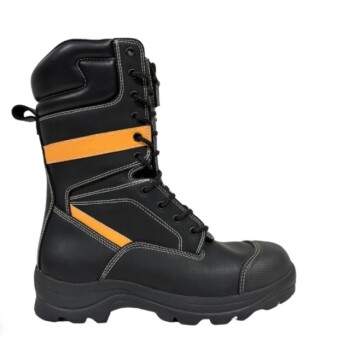
Premium Flame-Retardant Waterproof Safety Boots and Shoes
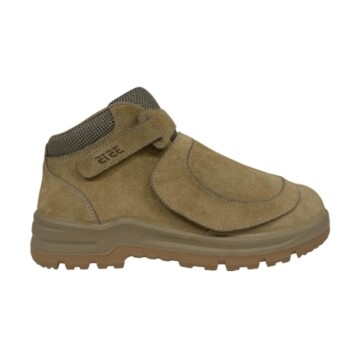
Premium Suede Metatarsal Guard Safety Boots Work Shoes

Premium KPU Athletic Safety Shoes for Wholesale

Premium Wheat Nubuck Safety Shoes for Bulk Distribution
