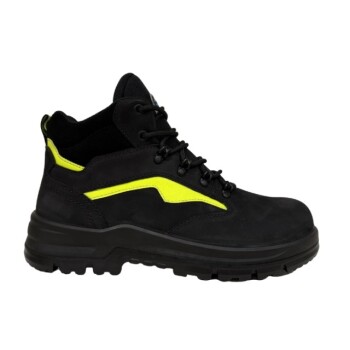
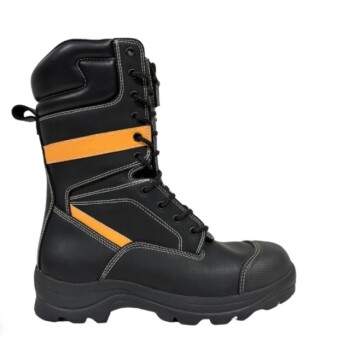
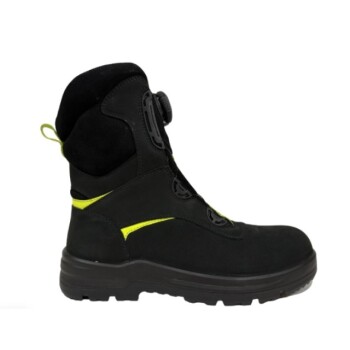
The core benefits of a waterproofing liner in safety shoes are complete moisture protection and improved foot health. These specialized liners, such as Gore-Tex or Drylex, act as a barrier to keep external water from rain or puddles out, while simultaneously allowing internal moisture from sweat to escape, keeping your feet dry from the inside out.
A waterproof liner is more than just a rain shield; it is a critical climate control system for your feet. Its ability to manage moisture from both external and internal sources is the key to maintaining all-day comfort, preventing common foot ailments, and ensuring a stable, secure fit.
The Dual-Action Moisture Barrier
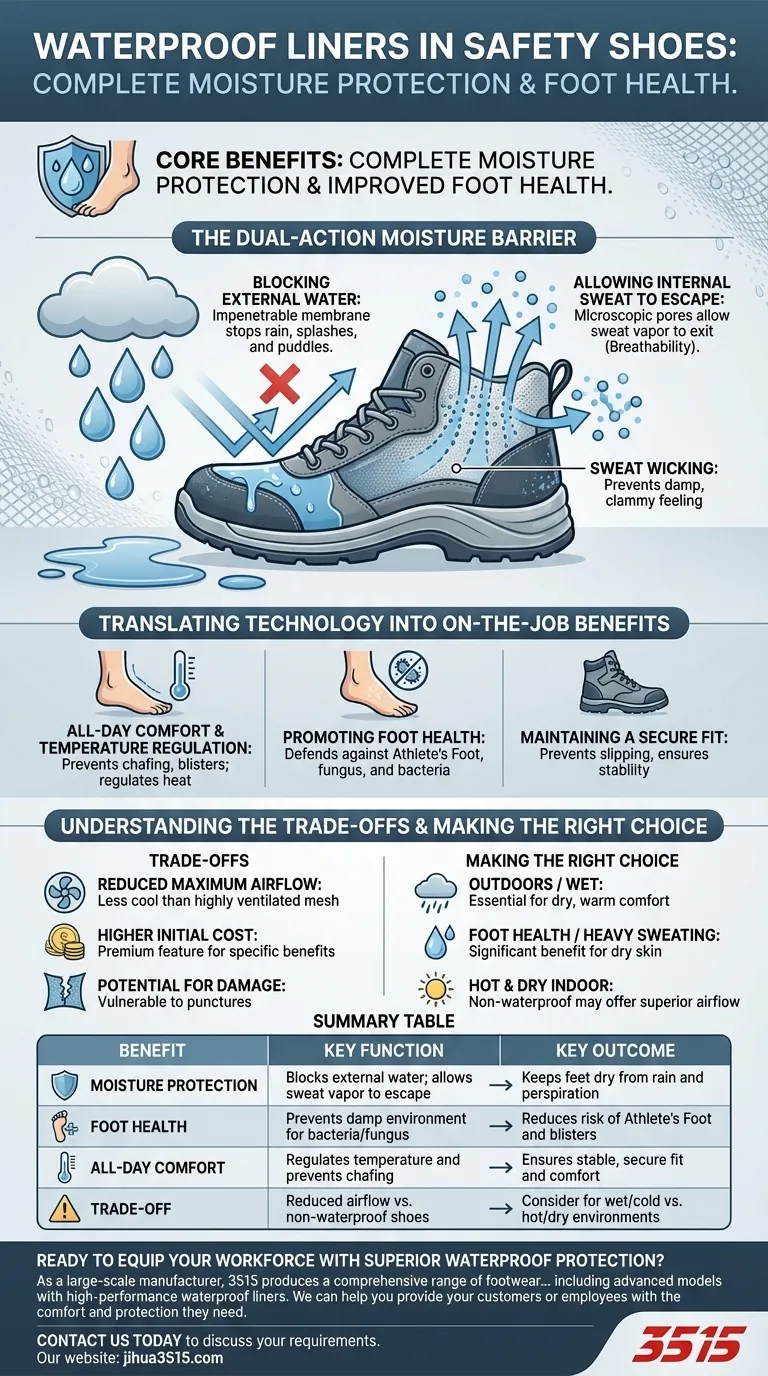
The true value of a modern waterproof liner lies in its two-way functionality. It solves two distinct moisture problems at the same time.
Blocking External Water
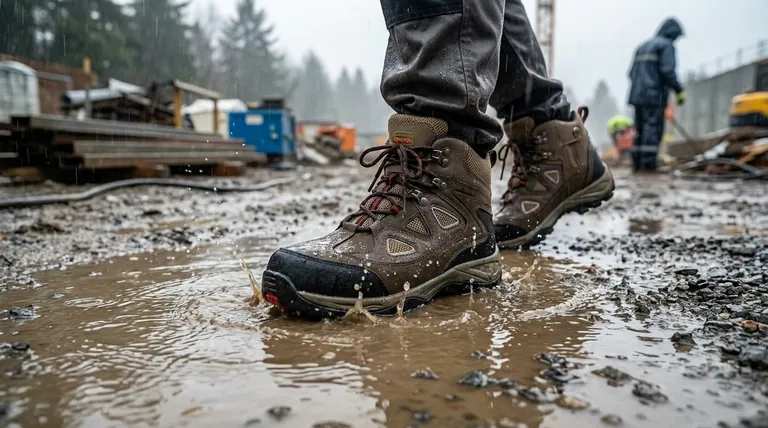
The most obvious function is creating an impenetrable barrier. The liner is a bootie-shaped membrane built into the shoe that stops liquid water from rain, splashes, or standing puddles from reaching your foot.
Allowing Internal Sweat to Escape
This is the critical element that separates a true waterproof liner from a simple plastic bag. The material contains microscopic pores that are too small for a water droplet to pass through, but large enough for individual water vapor molecules (sweat) to exit. This process is known as breathability.
The Importance of Sweat Wicking
By allowing sweat vapor to pass through the membrane, the liner actively wicks moisture away from your sock and skin. This prevents the damp, clammy feeling that occurs when sweat gets trapped inside the shoe.
Translating Technology into On-the-Job Benefits
This moisture management system delivers tangible advantages that directly impact your safety and well-being during the workday.
All-Day Comfort and Temperature Regulation
Dry feet are comfortable feet. By preventing both external water and internal sweat buildup, liners reduce the risk of painful chafing and blisters. They also help regulate temperature, as wet feet lose heat much faster in cold conditions.
Promoting Foot Health
A damp, warm shoe is the ideal breeding ground for fungus and bacteria, which can lead to conditions like Athlete's Foot. By keeping the foot's environment consistently dry, a waterproof liner is one of your best defenses against these common workplace ailments.
Maintaining a Secure Fit
When your socks and feet become saturated with sweat, your foot can begin to slip and slide inside the boot. This compromises stability and can reduce the effectiveness of the shoe's safety features. A dry interior ensures a consistently snug and secure fit.
Understanding the Trade-offs
While highly effective, it's important to understand the context and limitations of this technology to make an informed decision.
Reduced Maximum Airflow
While "breathable," a shoe with a waterproof liner will never be as cool as a highly ventilated mesh shoe designed for hot, dry conditions. In extremely high temperatures with low humidity, a non-waterproof shoe may feel cooler.
Higher Initial Cost
The technology and construction required for a quality waterproof liner add to the overall cost of the safety shoe. You are paying for a premium feature that provides a specific performance benefit.
Potential for Damage
The internal liner is a delicate membrane. Over time, friction or a sharp object penetrating the shoe can create a puncture, compromising its waterproof integrity at that spot.
Making the Right Choice for Your Environment
Use your primary work conditions to determine if a waterproof liner is the right investment for you.
- If your primary focus is working outdoors in wet or unpredictable weather: A waterproof liner is an essential feature to guarantee your feet stay dry, warm, and comfortable.
- If your primary focus is preventing foot health issues or managing heavy sweating: The moisture-wicking and breathable properties of a liner provide a significant health benefit by keeping your skin dry.
- If your primary focus is working in a consistently hot and dry indoor environment: You may find that a non-waterproof shoe with maximum ventilation offers superior comfort for your specific needs.
Ultimately, choosing a safety shoe with a quality waterproof liner is an investment in reliable comfort and long-term foot health.
Summary Table:
| Benefit | Key Function | Key Outcome |
|---|---|---|
| Moisture Protection | Blocks external water; allows sweat vapor to escape. | Keeps feet dry from rain and perspiration. |
| Foot Health | Prevents damp environment for bacteria/fungus. | Reduces risk of Athlete's Foot and blisters. |
| All-Day Comfort | Regulates temperature and prevents chafing. | Ensures stable, secure fit and comfort. |
| Trade-off | Reduced airflow vs. non-waterproof shoes. | Consider for wet/cold vs. hot/dry environments. |
Ready to equip your workforce with safety shoes that offer superior waterproof protection?
As a large-scale manufacturer, 3515 produces a comprehensive range of footwear for distributors, brand owners, and bulk clients. Our production capabilities encompass all types of safety shoes and boots, including advanced models with high-performance waterproof liners. We can help you provide your customers or employees with the comfort and protection they need.
Contact us today to discuss your specific requirements and discover how we can add value to your safety footwear line.
Visual Guide
Related Products
- Wholesale Premium Waterproof Nubuck Safety Shoes Boots
- Heavy-Duty Waterproof Nubuck Safety Boots Safety Shoes for Bulk Supply
- Premium Flame-Retardant Waterproof Safety Boots and Shoes
- Premium Wholesale Waterproof Safety Boots High Performance Protection for Industrial Markets
- High Performance Fire-Retardant Waterproof Safety Boots
People Also Ask
- Why are waterproof safety boots recommended for certain work environments? Essential Protection for Wet & Hazardous Jobs
- What materials are commonly used in waterproof boots? The Complete Guide to Durable, Breathable Protection
- What are the drawbacks of waterproof boots? The Breathability vs. Protection Trade-Off
- What is the advantage of one-piece construction in waterproof boots? Unbeatable Seamless Protection
- What is the difference between waterproof, water-resistant, and water-repellent boots? Choose the Right Protection for Your Feet