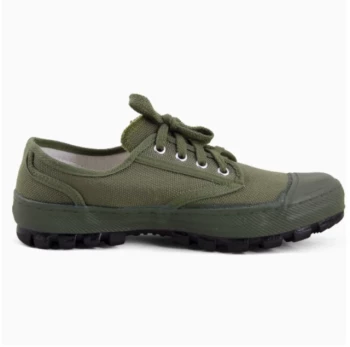
The most critical factors to consider when purchasing work shoes are your specific workplace hazards, the required fit for all-day comfort, and the durability of the materials. Your selection process must prioritize certified protection and proper support to prevent injury and fatigue, with style and budget serving as secondary considerations.
Choosing the right work shoe is not about finding a single "best" product, but about conducting a personal risk assessment of your job and matching those needs to the specific protective features, materials, and fit of the footwear.
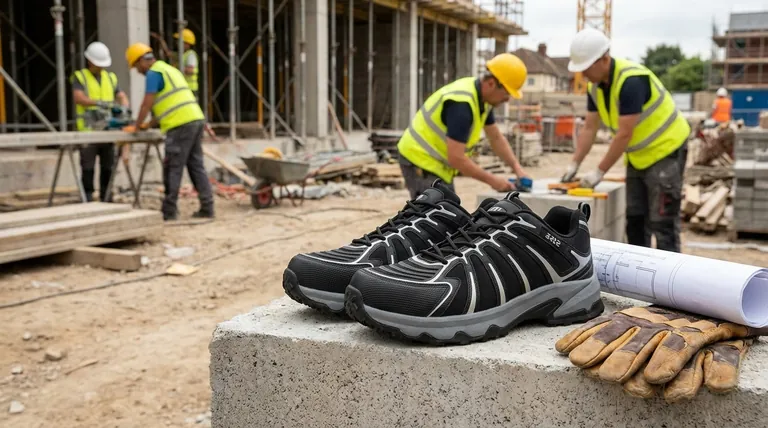
Step 1: Identify Your Workplace Hazards
Before you consider any specific shoe, you must first analyze your work environment. The primary purpose of a work shoe is to mitigate the specific risks you face daily.
Impact and Compression Protection
If your job involves heavy machinery, falling objects, or rolling equipment, a safety toe is non-negotiable. These are designed to protect your feet from serious injury. Modern options provide this protection without the excessive bulk and weight of older designs.
Slip Resistance
For those working on smooth, wet, or oily surfaces like kitchens, hospitals, or manufacturing floors, a non-slip outsole is the most critical feature. The shoe's ability to maintain traction is essential for preventing falls.
Other Hazard-Specific Features
Your job may require additional protections. Consider if you need footwear that is resistant to punctures, electrical hazards, or extreme temperatures. Always check if your workplace has specific compliance standards (like ASTM ratings) that you must meet.
Step 2: Prioritize All-Day Comfort and Fit
A protective shoe is ineffective if it's too uncomfortable to wear correctly or causes long-term foot problems. Comfort is not a luxury; it is a component of safety.
Deconstructing the Shoe for Comfort
Work shoes are built in three key layers, each contributing to overall comfort and performance.
- The Upper is the material that wraps your foot. Leather offers durability and molds to your foot over time, while modern synthetics can provide superior breathability and flexibility.
- The Midsole is the cushioning layer. Materials like EVA (ethylene vinyl acetate) are lightweight and flexible, while PU (polyurethane) is generally firmer and more durable.
- The Outsole is what contacts the ground. It provides grip and abrasion resistance.
The Critical Importance of a Proper Fit
A shoe that is too tight or too loose can cause blisters, fatigue, and even long-term foot issues. Always measure your feet and consult the manufacturer’s sizing chart, as work shoe sizing can differ from standard footwear. If possible, try on shoes at the end of the day when your feet are slightly swollen.
Understanding the Trade-offs
Every work shoe is a balance of competing priorities. Understanding these trade-offs will help you make a more informed decision.
Durability vs. Weight
Heavier, more robust materials like thick leather and dense rubber outsoles typically offer the best long-term durability. However, this comes at the cost of increased weight, which can lead to fatigue over a long shift. Lighter synthetic materials may be more comfortable initially but may not withstand harsh conditions as long.
Grip vs. Surface Type
The design of the outsole tread is crucial for grip. Deep, widely spaced lugs are excellent for traction on uneven or loose surfaces. Conversely, an interlocked or fine-sipped tread pattern is often better for maintaining surface contact and preventing slips on smooth, wet floors.
Initial Cost vs. Long-Term Value
It can be tempting to choose a less expensive option, but high-quality work shoes are an investment in your safety and well-being. Reputable brands that use durable construction methods and materials will last longer and provide more reliable protection, ultimately offering better value. Always purchase from a trusted source to ensure you are getting an authentic, certified product.
Making the Right Choice for Your Job
Filter your options based on your primary daily requirements.
- If your primary focus is protection from impact and punctures (e.g., construction, manufacturing): Prioritize shoes with a certified safety toe and durable leather or reinforced synthetic uppers.
- If your primary focus is slip prevention (e.g., kitchens, healthcare, service industry): Look for shoes specifically rated for slip resistance with an outsole tread designed for flat, wet surfaces.
- If your primary focus is all-day comfort for standing and walking (e.g., warehouse, retail): Emphasize a cushioned midsole and a proper fit above all else, ensuring the shoe still meets any basic safety requirements for your site.
- If your primary focus is versatility for variable conditions (e.g., field work, outdoor trades): Consider the seasonality and type of terrain to choose appropriate waterproofing, insulation, and outsole design.
Ultimately, investing in the right work shoe is a direct investment in your own safety and daily comfort.
Summary Table:
| Key Factor | Priority | Key Considerations |
|---|---|---|
| Workplace Hazards | High | Safety toe (impact), slip-resistant outsole, puncture/electrical protection |
| Comfort & Fit | High | Proper sizing, cushioned midsole, breathable upper material |
| Durability & Value | Medium | Material quality (leather/synthetic), construction, long-term cost-effectiveness |
As a large-scale manufacturer, 3515 produces a comprehensive range of certified safety footwear for distributors, brand owners, and bulk clients. Whether you need impact-resistant boots for construction, slip-resistant shoes for hospitality, or all-day comfortable footwear for warehousing, our production capabilities cover all types of work shoes and boots. Let us help you equip your team with the right protection. Contact our experts today for a customized solution that meets your specific needs and safety standards.
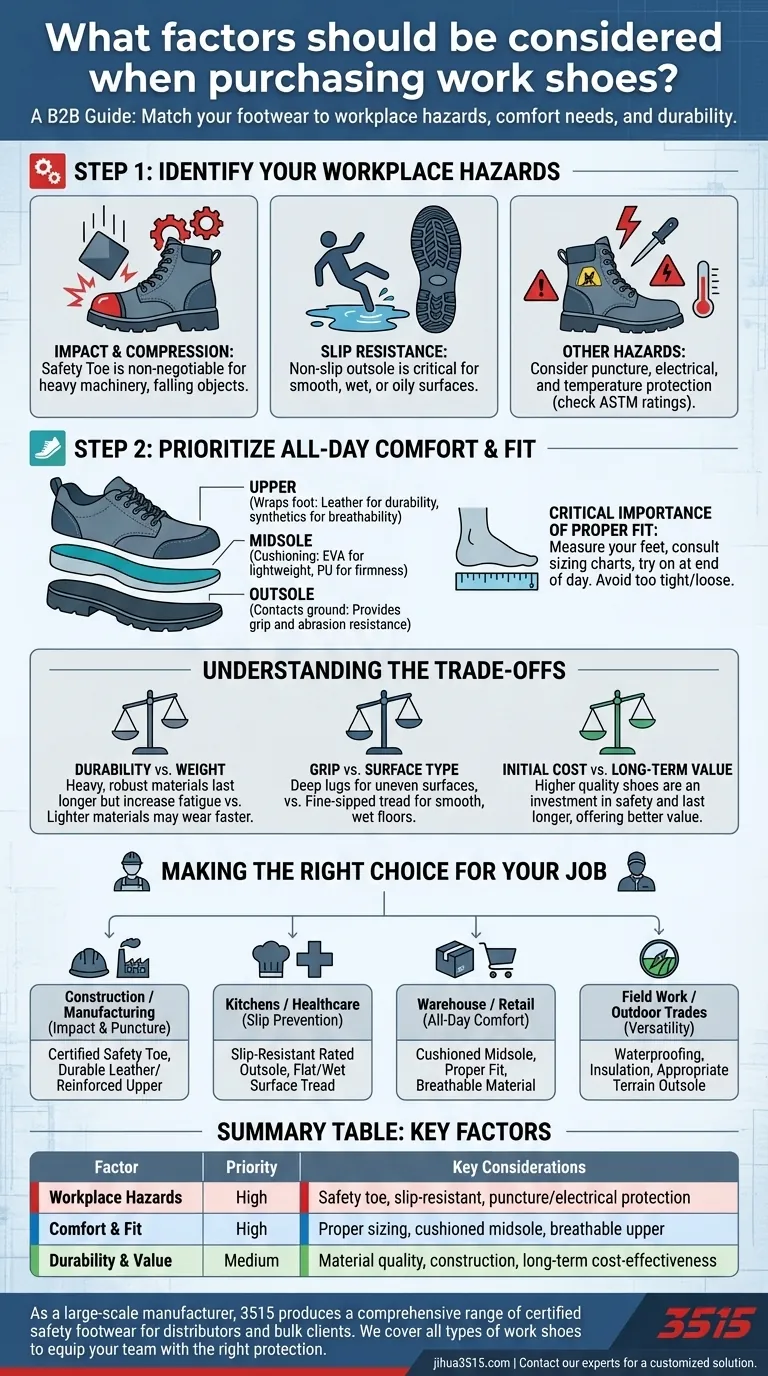
Visual Guide
Related Products
- Durable Canvas Work Shoes with Rubber Lug Sole | Wholesale Manufacturer
- Durable Goodyear Welt Leather Work Boots for Wholesale & Private Label
- Durable Leather Work Boots for Wholesale & Custom OEM Manufacturing
- Durable Leather Work Boots for Wholesale & Custom Manufacturing
- Durable Leather Safety Boots for Wholesale & Custom OEM Manufacturing
People Also Ask
- What are the properties of canvas as a shoe material? A Guide to Lightweight Comfort & Style
- Why is the selection of high-strength fabric materials necessary in the production of canvas shoes and training shoes?
- What types of jobs are canvas work boots suitable for? Ideal for Light-Duty, High-Mobility Roles
- Can canvas shoes be worn in rainy conditions? The Truth About Water Resistance
- What are the functional advantages of choosing rubber soles over leather soles for work boots? Superior Safety & Durability