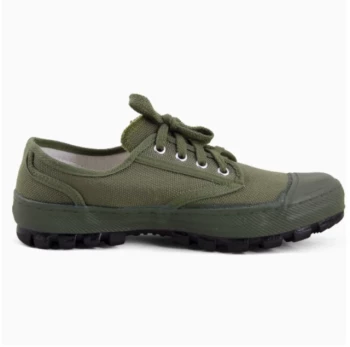
The primary benefit of athletic-style work shoes is that they combine the lightweight comfort and flexibility of a sneaker with the essential safety features required for many jobs. They are designed to reduce fatigue and increase mobility for workers who spend all day on their feet, blending performance-enhancing design with workplace protection.
The core problem athletic work shoes solve is the trade-off between comfort and safety. They provide a modern alternative to heavy, rigid boots, aiming to prevent foot fatigue and improve focus without compromising on essential protection like slip resistance and toe safety.
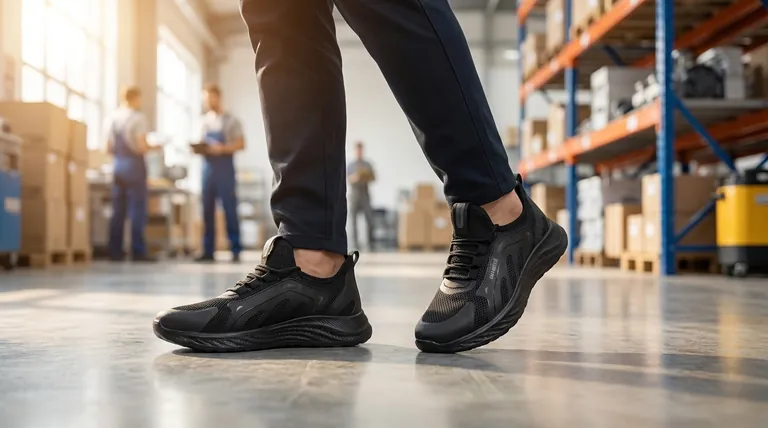
Breaking Down the Athletic Work Shoe Advantage
Traditional work boots prioritize durability and protection, often at the expense of weight and flexibility. Athletic work shoes are engineered from the ground up to address this, focusing on the needs of the active professional in less extreme environments.
The Foundation: Comfort and Reduced Fatigue
The most significant benefit is the immediate and lasting comfort. This is achieved through specific material and design choices.
Lightweight Construction: By using materials like mesh uppers and cushioned midsoles, these shoes drastically reduce the weight you lift with every step. This lessens long-term fatigue and the risk of chronic foot problems.
Cushioned Midsoles: The midsole is the shoe's shock-absorption layer, often made from materials like EVA foam. This layer is crucial for softening the impact of walking or standing on hard surfaces for extended periods.
Enhanced Flexibility: Unlike stiff leather boots, athletic designs use flexible materials that allow for a more natural foot movement. This improves agility and reduces the feeling of being restricted.
The Non-Negotiable: Integrated Safety Features
Comfort means nothing in a work shoe without the necessary protection. Athletic styles integrate these features seamlessly.
Protective Toe Boxes: Many models include safety toes made from materials like alloy. Alloy toes are significantly lighter than steel, providing protection against impact while offering a more spacious and comfortable fit.
Grippy Outsoles: The outsole is the layer that meets the ground. In athletic work shoes, it's typically made from high-traction rubber to ensure a firm grip on various surfaces, preventing slips and falls.
The Performance Edge: Breathability
A key feature borrowed directly from athletic footwear is the focus on airflow and temperature regulation.
Mesh Uppers: The use of mesh in the upper part of the shoe allows air to circulate freely. This is invaluable in hot or humid environments, keeping feet cooler and drier throughout the day.
Moisture Management: Breathable materials help sweat evaporate more quickly. This not only increases comfort but can also help prevent blisters and other moisture-related foot issues.
Understanding the Trade-offs
Athletic work shoes are an excellent solution for many, but they are not universally superior to traditional boots. Understanding their limitations is key to making the right choice.
Durability Concerns
The materials that make these shoes light and breathable, like mesh, are inherently less durable than full-grain leather. They are more susceptible to tearing, abrasion, and soiling.
Limited Environmental Protection
Most athletic work shoes are not waterproof. Their breathable design means they will quickly let water in, making them unsuitable for wet or outdoor environments.
Protection Level
While they offer certified toe protection and slip resistance, they may not provide the same level of puncture resistance or ankle support found in heavy-duty work boots designed for construction or rugged industrial sites.
Making the Right Choice for Your Goal
The best work shoe is the one that matches your specific job demands and environment.
- If your primary focus is all-day comfort for indoor work: Choose an athletic work shoe for its lightweight build, cushioning, and breathability.
- If you work in a hot or humid environment: The superior airflow of a mesh athletic shoe is a significant advantage for keeping your feet cool and dry.
- If you need maximum durability and protection from the elements: A traditional leather work boot is likely the more appropriate and longer-lasting choice.
- If your job requires frequent movement and agility: The flexibility and reduced weight of an athletic style will help you stay mobile and reduce fatigue.
Ultimately, choosing an athletic work shoe is about prioritizing active comfort in environments where extreme ruggedness is not the primary requirement.
Summary Table:
| Benefit | Key Feature | Ideal For |
|---|---|---|
| All-Day Comfort | Lightweight construction & cushioned midsoles | Workers on their feet all day |
| Essential Safety | Protective toe boxes & slip-resistant outsoles | Indoor environments requiring protection |
| Enhanced Performance | Breathable mesh uppers & flexible design | Hot/humid conditions & active roles |
| Considerations | Less durable than leather; not waterproof | Jobs not requiring extreme ruggedness |
Ready to equip your team with high-performance athletic work shoes?
As a large-scale manufacturer, 3515 produces a comprehensive range of footwear for distributors, brand owners, and bulk clients. We specialize in creating athletic-style work shoes that deliver the perfect balance of comfort, safety, and agility for your workforce. Our production capabilities encompass all types of shoes and boots, ensuring we can meet your specific requirements.
Contact us today to discuss your needs and discover how we can provide the right footwear solution for your business.
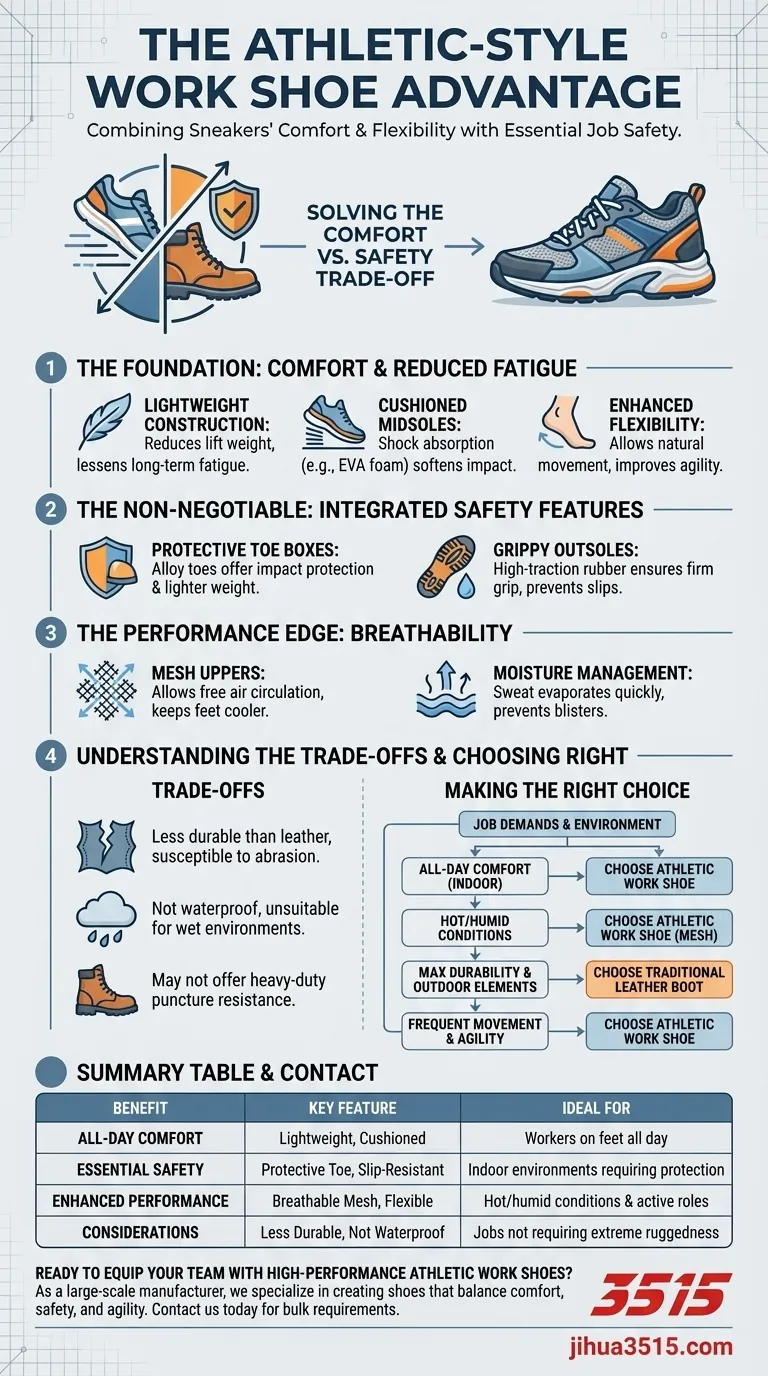
Visual Guide
Related Products
- Wholesale Breathable Training Shoes Custom Athletic Footwear Manufacturer
- Wholesale Durable & Breathable Training Shoes for Custom Brands
- Wholesale Breathable & Cushioned Training Shoes Custom Factory Production
- Custom OEM Training Shoes Wholesale Manufacturer Durable & Breathable
- Wholesale Lightweight Cushioned Athletic Sneakers for Custom Bulk Production
People Also Ask
- Why are the slip-resistance and stability performance of training shoes critical in gait analysis? Ensure Data Accuracy
- What is the primary role of specialized training or orthopedic shoes? Enhance Safety in Elderly Balance Training
- Why are professional-grade training shoes essential for physical therapy? Ensure Patient Safety and Gait Stability
- Why is sole stiffness testing using a force gauge necessary? Build Superior Training Shoes with Precision
- Why is specialized athletic footwear necessary for ankle rehab? Unlock Safety and Stability in Recovery