All Questions
Which Organizations Create And Enforce Safety Footwear Regulations? Understand Astm And Osha Roles
Learn how ASTM International sets safety footwear standards and OSHA enforces workplace compliance. Essential guide for safety managers and buyers.
What Are The Main Hazards That Safety Footwear Is Designed To Protect Against? A Guide To Essential Foot Protection
Learn how safety footwear protects against impact, compression, punctures, slips, electrical hazards, and extreme environments for optimal workplace safety.
What Types Of Work Environments Require Specific Safety Footwear Features? Ensure Total On-Site Foot Protection
Discover the essential safety footwear features for construction, manufacturing, and healthcare environments. Match protection to your specific workplace hazards.
What Is The Importance Of Safety Footwear In Various Industries? Essential Protection For Your Workforce
Learn why safety footwear is crucial for preventing workplace injuries, ensuring compliance, and boosting productivity across all industries.
Why Is It Important To Prioritize Safety And Comfort In Work Footwear? Boost Performance & Prevent Injury
Learn how the right work footwear prevents injury, reduces fatigue, and enhances productivity. Essential safety features and comfort tips for all professionals.
What Should Women Consider When Choosing Safety Footwear For Their Work Environment? Get The Right Fit And Protection
Learn how to select women's safety footwear by analyzing workplace hazards, understanding safety ratings, and ensuring a proper fit for comfort and protection.
What Industries Besides Construction Require Durable And Protective Footwear For Women? Key Sectors Explained
Discover industries like manufacturing, warehousing, and auto repair that require women's safety footwear. Learn why proper fit is critical for protection.
How Do Steel, Aluminium, And Composite Toe Caps Compare? Choose The Right Safety Toe For Your Job
Compare steel, aluminium, and composite toe caps on weight, temperature, detection, durability, and cost to select the best safety footwear for your needs.
What Are The Drawbacks Of Composite Toe Caps? Weighing The Trade-Offs For Your Safety
Explore the key limitations of composite toe caps, including cost, bulk, and single-impact integrity, to make an informed safety footwear choice.
What Are The Main Benefits Of Composite Toe Caps? Lighter, Insulated & Non-Metallic Safety
Discover the key benefits of composite toe caps: lighter weight, superior thermal insulation, and non-conductive safety for demanding work environments.
What Features Should Women Look For In Safety Boots For Construction Work? Essential Protection & Fit Guide
Discover key features for women's construction safety boots: certified safety toe, puncture-resistant sole, and a true women's-specific fit for maximum safety and comfort.
What Materials Are Composite Toe Caps Made From? Lightweight Protection Explained
Discover the non-metallic materials in composite toe caps, including carbon fiber & Kevlar, and their benefits like weight reduction and insulation.
What Are The Limitations Of Aluminium Toe Caps? A Guide To Strength, Weight & Metal Detection
Explore the key drawbacks of aluminum toe caps, including reduced durability vs. steel and interference with metal detectors, to make an informed safety choice.
What Is The Lightest Type Of Safety-Toe Boot Available? The Ultimate Guide To Alloy Toes
Discover the lightest safety-toe boots: alloy toes. Learn how they reduce weight by 30-50% vs. steel, and find the perfect boot for your job.
What Type Of Safety-Toe Boot Is Recommended For Cold Weather? Choose Composite Toes For Warmth
Learn why composite-toe boots are best for cold weather. Discover key features like insulation and waterproofing for safe, warm winter work.
What Factors Should Be Considered When Choosing Safety-Toe Boots? Match Your Work Hazards With The Right Protection
Choose the right safety-toe boots by comparing steel, composite & alloy materials. Learn key factors like ASTM standards, weight, cost & cold weather performance.
Is There A Connection Between Toe Material And Electrical Hazard Ratings In Boots? The Truth About Boot Safety
Discover why steel or composite toe material doesn't affect EH ratings. Learn how EH-rated boots truly protect you from electrical hazards.
What Is A Potential Drawback Of Composite Toes After An Impact? The Hidden Danger Of 'One-And-Done' Failure
Learn why composite safety toes can fail catastrophically after a single impact due to invisible internal damage, creating a major safety risk.
How Do Composite Toes Compare To Steel And Alloy Toes In Strength? Find Your Ideal Safety Toe
Compare composite, steel, and alloy safety toes. All meet ASTM standards, but differ in weight, temperature resistance, and durability for your job.
What Are The Advantages Of Alloy Toes In Safety-Toe Boots? Lighter, Thinner, And More Comfortable
Discover the key benefits of alloy safety toes, including 30-50% lighter weight, a thinner profile for more toe room, and enhanced comfort for long workdays.
Why Are Composite Toes Popular In Safety-Toe Boots? Achieve Superior Comfort & Protection
Discover the key benefits of composite toe boots, including lightweight design, thermal insulation, and non-metallic properties for enhanced safety.
What Are The Main Materials Used In Safety-Toe Boots? Steel, Composite, Or Alloy?
Compare steel, composite, and alloy safety toes. Learn the pros and cons of each material to choose the right boot for your job's hazards and comfort.
What Are Some Common Mistakes To Avoid When Caring For Safety Boots? Protect Your Investment And Safety
Learn how to avoid damaging safety boots with harsh cleaning, improper drying, and poor handling. Extend boot life and maintain protective features.
Why Is Proper Storage Important For Safety Boots? Preserve Protection And Extend Lifespan
Learn how proper storage prevents material degradation, maintains safety features, and extends the life of your safety boots. Avoid common pitfalls.
What Is The Correct Method For Drying Wet Safety Boots? Avoid Damage And Extend Boot Life
Learn the safe, step-by-step process to dry wet work boots without damaging leather, adhesives, or safety components. Preserve your investment.
How Should Safety Boots Be Cleaned To Avoid Damage? A Gentle Guide To Preserve Your Boots
Learn the correct way to clean safety boots using mild soap and air drying to prevent damage and extend their protective lifespan.
What Is The Impact Of Incorrect Specification On Safety Boots? Avoid Costly Injuries And Non-Compliance
Learn how incorrect safety boot specs lead to worker injuries, faster wear, and compliance fines. Ensure you select the right protective footwear.
How Does Repeated Exposure To High Temperatures Damage Safety Boots? Avoid Costly Structural Failures
Learn how heat degrades materials and adhesives in safety boots, compromising protection. Essential reading for industrial safety managers.
What Are Common Causes Of Safety Boot Damage? Prevent Premature Wear & Boost Safety
Learn the top causes of safety boot failure—from chemical exposure to improper care—and how to extend their lifespan for better protection and value.
Why Is It Important To Care For Safety Boots? Protect Your Investment And Your Feet
Learn why proper safety boot care is critical for preserving certified protection, extending lifespan, and ensuring workplace safety compliance.
What Broader Role Do Safety Shoes Play In Workplace Safety Culture? Building A Foundation Of Trust And Accountability
Discover how safety shoes are a critical tool for embedding a safety-first mindset, reducing injuries, and strengthening your overall workplace safety culture.
Why Are Safety Shoes Critical For Compliance? Essential For Risk Mitigation & Legal Protection
Learn why safety shoes are a legal requirement for workplace safety, preventing injuries and reducing financial liability for businesses.
How Do Safety Shoes Contribute To Cost Savings For Companies? A Strategic Investment In Risk And Cost Management
Discover how safety shoes prevent costly injuries and reduce equipment expenses, offering a strong ROI for businesses focused on risk mitigation and budget optimization.
What Makes Safety Wellington Boots Essential For Worker Safety? Unmatched Protection For Wet & Hazardous Work
Discover why safety Wellington boots are vital for worker safety, offering waterproofing, slip resistance, toecap protection, and hygiene in one design.
Why Are Safety Wellington Boots Considered Affordable? High-Volume Production & Efficient Design
Learn how mass production, simple molding, and versatile design make safety Wellington boots a cost-effective choice for industrial safety.
How Are Safety Wellington Boots Designed For Comfort? Engineered For All-Day Wear And Fatigue Reduction
Discover how safety wellington boots are engineered for comfort with advanced materials, shock absorption, and ergonomic features for long work shifts.
Why Are Safety Wellington Boots Preferred For Maintaining A Clean Appearance? Achieve Superior Hygiene & Safety
Discover how safety Wellington boots' non-porous surfaces, seamless design, and high-visibility colors maintain cleanliness in demanding environments.
How Do Safety Wellington Boots Facilitate Easy Removal? Discover The Kick-Off Spur For Hands-Free De-Booting
Learn how the kick-off spur on safety Wellington boots enables quick, hygienic, hands-free removal in contaminated or dirty work environments.
What Additional Safety Features Do Modern Safety Wellington Boots Offer? Enhanced Protection For Hazardous Workplaces
Explore modern safety Wellington boots with puncture-resistant soles, anti-static properties, thermal insulation, and superior slip resistance for ultimate workplace safety.
Why Are Safety Wellington Boots Considered Watertight? The Science Behind Seamless Protection
Discover how seamless construction and non-porous materials make safety Wellington boots completely watertight for demanding work environments.
How Do Safety Wellington Boots Provide Slip Resistance? Master Grip For Wet & Oily Floors
Learn how the sole material and tread pattern of safety Wellington boots work together to prevent slips on wet, oily, and hazardous surfaces.
What Types Of Toe Protection Are Available In Safety Wellington Boots? Steel Vs. Composite Toe Caps
Compare steel and composite toe caps in safety Wellington boots. Learn which offers better protection, comfort, and safety for your work environment.
Which Industries Commonly Use Safety Wellington Boots? Essential Footwear For Wet & Hazardous Work
Discover the top industries that rely on safety Wellington boots for protection against water, chemicals, and physical hazards like impacts and slips.
What Are The Primary Benefits Of Safety Wellington Boots? Unmatched Protection For Demanding Work
Discover the key benefits of safety Wellington boots: total waterproofing, impact resistance, slip protection, and chemical shielding for hazardous industries.
What Regular Maintenance Checks Should Be Performed On Safety Boots? A Daily Safety Checklist
Essential daily checks for safety boots: inspect soles, uppers, and protective components to ensure workplace safety and compliance.
What Are The Four Key Aspects To Consider When Choosing High-Quality Safety Footwear? Ensure True Anatomical Fit & Protection
Learn the 4 critical factors for selecting safety boots: gender-specific lasts, anatomical safety features, comfort, and manufacturer commitment to inclusive design.
Which Type Of Firefighters Are Required To Use Leather Fire Boots And Why? Essential Gear For Wildland Safety
Discover why wildland firefighters require durable, all-leather boots for superior ankle support and maneuverability on rugged terrain.
How Do Leather Fire Boots Provide Better Support For Firefighters? The Key To Unmatched Stability And Safety
Discover how leather fire boots offer superior support by molding to the foot, enhancing stability, and reducing injury risk for firefighters.
Why Are Leather Fire Boots Preferred For Maneuverability? Lighter Weight For Superior Agility
Discover why leather fire boots are lighter than rubber, reducing fatigue and enhancing firefighter agility and safety on the fireground.
What Are The Key Benefits Of Leather Fire Boots Compared To Rubber Boots? Prioritize Firefighter Comfort & Mobility
Compare leather vs. rubber fire boots: leather offers lighter weight & better ergonomics for endurance, while rubber provides superior waterproofing & cost savings.
What Should Be Avoided When Caring For Work Footwear? Protect Your Investment And Safety
Avoid common work boot care mistakes like improper drying and wrong products to maintain safety features, longevity, and warranty.
What Are The General Care Precautions For All Types Of Work Footwear? Protect Your Investment & Safety
Learn the essential rules for work boot care, including proper drying techniques and maintenance to prevent damage and extend lifespan.
Why Are Composite-Toe Boots Suitable For Composite Manufacturing? The Ideal Safety Solution
Composite-toe boots offer superior electrical safety, lighter weight, and metal-free convenience, making them perfect for modern manufacturing facilities.
How Do Composite-Toe Boots Benefit Worker Comfort And Safety? Reduce Fatigue And Enhance Protection
Discover how composite-toe boots offer lightweight safety, superior comfort, and specialized protection for demanding work environments.
What Are The Key Advantages Of Composite-Toe Boots? Lighter, Safer, And More Comfortable
Composite-toe boots offer key advantages over steel-toe: lighter weight, non-conductive, thermal insulation, and metal detector safe.
What Materials Are Commonly Used In Composite-Toe Boots? Lightweight Protection Explained
Discover the common materials in composite-toe boots: Kevlar, carbon fiber, fiberglass & plastics. Learn their benefits vs. steel for safety & comfort.
What Are The Primary Protective Functions Of Composite-Toe Boots? A Guide To Modern Safety Footwear
Explore the key protective functions of composite-toe boots, including impact resistance, electrical hazard protection, and thermal insulation.
What Are The Historical Origins Of Composite-Toe Boots? From Wooden Clogs To Modern Safety
Explore the evolution of safety boots from Dutch wooden clogs to today's lightweight, non-metallic composite toes. Learn why composite was developed.
What Is One Important Type Of Personal Protective Equipment For Composite Industry Workers? Composite-Toe Boots
Discover why composite-toe boots are essential PPE for composite workers, offering impact protection, electrical hazard safety, and reduced fatigue.
How Does Understanding Safety Shoe Materials Help In Making Informed Choices? Match Your Work Hazards With The Right Protection
Learn how safety shoe materials like leather, steel, and composite toes impact protection, durability, and comfort for your specific work environment.
What Role Do Slip-Resistant Rubber Materials Play In Safety Shoes? Ensuring Grip And Stability In Hazardous Workplaces
Discover how slip-resistant rubber in safety shoes prevents slips and falls with high friction, durability, and heat resistance for industrial safety.
Why Are Mesh Materials Preferred For Safety Shoes In Hot And Humid Conditions? Enhance Worker Comfort & Focus
Discover why breathable mesh safety shoes are essential for heat and moisture management, preventing blisters and improving comfort in hot work environments.
How Have Synthetic Materials Impacted Safety Shoe Design? Achieve Specialized Protection & All-Day Comfort
Discover how synthetic materials like nylon and polyester create lighter, breathable safety footwear with superior chemical and water resistance.
What Are The Advantages Of Using Leather For Safety Shoes? Superior Durability, Breathability & Comfort
Discover why leather is a top choice for safety footwear. Explore its key advantages in durability, breathability, and adaptive comfort for demanding work environments.
What Are The Key Factors To Consider When Choosing Safety Shoe Materials? Match Materials To Your Hazards
A guide to selecting safety shoe materials based on workplace hazards, covering durability, comfort, and protection for uppers, soles, and toes.
What Safety Standard Are All Cat Footwear Safety Toe Products Rated To? Guaranteed Astm F2413-18 Protection
All Cat Footwear safety toe boots meet the ASTM F2413-18 standard, ensuring certified impact (I/75) and compression (C/75) resistance for workplace safety.
What Is Unique About A Carbon Composite Toe? Maximum Protection With Minimal Weight
Discover the key benefits of carbon composite safety toes: lighter weight for less fatigue, non-metallic safety, and the same impact protection as steel.
What Are The Benefits Of A Composite Toe? Discover Lighter, Safer, And More Comfortable Work Footwear
Explore the key benefits of composite toe boots: lighter weight, non-conductive, and superior temperature insulation for enhanced comfort and safety.
What Are The Main Types Of Safety Toes? A Guide To Steel, Alloy & Composite Toes
Compare steel, alloy, and composite safety toes. Learn the key differences in weight, protection, and best uses for each type to choose the right boot.
What Factors Should Be Considered When Choosing Between Composite, Steel, Or Alloy Toe Boots? Find Your Perfect Fit
Compare steel, composite, and alloy toe boots. Learn the key factors for maximum protection, comfort, and safety in your specific work environment.
What Are The Disadvantages Of Alloy Toe Boots? Weighing Comfort Vs. Protection
Learn the key drawbacks of alloy toe boots, including higher cost, reduced impact resistance vs. steel, and electrical conductivity.
What Are The Advantages Of Alloy Toe Boots? Lighter, More Comfortable Safety Footwear
Discover the key benefits of alloy toe boots: 30-50% lighter weight, enhanced comfort, and certified ASTM safety standards for impact protection.
What Materials Are Alloy Toe Boots Made From? Lightweight Protection For All-Day Comfort
Discover the materials in alloy toe boots: lightweight aluminum or titanium for superior comfort and certified safety, compared to steel and composite.
Why Is Choosing The Right Safety Shoes Important? Mitigate Workplace Hazards And Boost Productivity
Learn why proper safety footwear is critical for injury prevention, compliance, and worker comfort. Choose the right shoe for your specific risks.
What Additional Features Can Safety Shoes Have? Advanced Protection For Your Specific Work Hazards
Explore advanced safety shoe features like ESD, puncture resistance, waterproofing, and comfort tech for targeted workplace protection.
What Are The Standard European Classifications For Safety Footwear? A Guide To En Iso 20345
Understand EN ISO 20345 safety footwear classifications (SB, S1, S2, S3, S4, S5) to choose the right protection for your work environment.
What Are The Key Protective Features Of Safety Shoes? Essential Guide For Workplace Safety
Discover the key protective features of safety shoes, from steel toes to slip-resistant soles. Learn how to choose the right footwear for your job hazards.
What Materials Are Used In Safety Shoes? A Guide To Protective Footwear Construction
Explore the materials used in safety shoes, from steel/composite toes to leather/synthetic uppers and rubber/PU soles, for optimal workplace protection.
What Are The Different Types Of Safety Shoes Available? A Guide To En Iso 20345 Classes
Learn about SB, S1, S1P, S2, S3, S4 & S5 safety footwear classes. Choose the right protection for your work environment.
What Are Safety Shoes And Why Are They Important? Essential Guide To Workplace Foot Protection
Learn what safety shoes are, their key standards (S1, S3, etc.), and why choosing the right PPE is critical for preventing workplace foot injuries.
How Does En Iso 20347 Differ From En Iso 20345? Choose The Right Safety Footwear For Your Workplace
EN ISO 20345 requires a protective toecap for impact hazards; EN ISO 20347 is for slip resistance and comfort in lower-risk environments.
What Do Common Safety Shoe Abbreviations Like P, Pl, And Wr Signify? Decode Your Footwear's Protection
Learn what safety shoe codes P, PL, WR, E, SR, and A mean. Choose the right footwear for construction, logistics, and hazardous environments.
What New Optional Features Were Introduced In En Iso 20345:2022? Sc & Lg Enhance Your Safety Footwear
EN ISO 20345:2022 introduces new optional features SC & LG, reclassifies FO, and adds S6/S7 waterproof categories for better risk-specific protection.
What Are The Key Differences Between S4/S5 And Other Classes? A Guide To Waterproof Vs. Breathable Safety Boots
Learn the key differences between S4/S5 waterproof boots and S1-S3 safety footwear. Choose the right class for your work environment and hazards.
How Does S3 Protection Differ From S2? Matching Safety Footwear To Your Work Hazards
S3 safety footwear adds a puncture-resistant midsole and cleated outsole to S2's water resistance. Choose the right protection for your work environment.
What Additional Protections Does S1P Provide Over S1? The Crucial Safety Feature You Need
S1P safety footwear adds puncture-resistant midsoles to protect against sharp objects. Learn the key difference between S1 and S1P ratings.
What Are The Minimum Requirements For Sb Class Safety Shoes? Understanding The En Iso 20345 Basics
Learn the core SB safety shoe requirements: a 200-joule protective toe cap and basic slip resistance for low-risk, dry environments.
What Are The New Requirements For Puncture Resistance? Understand P, Pl, And Ps Ratings
Learn about the new puncture resistance standards (P, PL, PS) for safety footwear to ensure optimal protection against specific workplace hazards.
What Are The Changes To Slip Resistance Markings In En Iso 20345:2022? A Guide To The New Sr Marking
EN ISO 20345:2022 replaces SRA, SRB, SRC with a new SR slip resistance marking. Learn how to select compliant safety footwear.
How Has Water Resistance Testing Changed In The New Standard? A Guide To The New Wr & Wpa Markings
Learn about the new EN ISO 20345:2022 water resistance standards, including the shift from WRU to WR and WPA markings for better waterproof protection.
What Are The New Categories Introduced In En Iso 20345:2022? S6 & S7 For True Waterproof Protection
Learn about the new EN ISO 20345:2022 S6 & S7 safety footwear categories, designed for guaranteed waterproofness in wet work environments.
What Are The Key Differences Between Class I And Class Ii Safety Shoes? Choose The Right Protection For Your Job
Class I vs. Class II safety shoes: Learn the core differences in materials (leather vs. rubber) for breathability or waterproofing to match your work environment.
What Standard Governs Safety Footwear Requirements? A Guide To Osha & En Iso 20345
Learn the key safety footwear standards: OSHA/ASTM in the US and EN ISO 20345 in Europe. Ensure compliance and protect your workforce from hazards.
What Are The Main Protection Classes For Safety Shoes? A Guide To S1, S3, S5 & More
Understand S-class safety shoe ratings (S1 to S7) to choose the right footwear with impact, puncture, and water resistance for your workplace.
What Materials Are Commonly Used In External Metatarsal Guards? A Guide To Protection & Flexibility
Compare steel, plastic, polyurethane & leather metatarsal guards. Choose the right material for maximum impact protection, flexibility, and durability.
Why Is Quality Control Important In Safety Footwear? Ensuring Life-Saving Protection On The Job
Discover how rigorous quality control in safety footwear production prevents injuries, ensures compliance, and builds worker trust.
How Are Metatarsal Guards Tested For Impact Protection? The Definitive Guide To Astm F2413 Safety
Learn how ASTM F2413 testing ensures metatarsal guard safety. Discover the impact test for internal and external guards to protect your feet.
What Are The Differences Between Internal And External Metatarsal Guards? Choose The Right Protection For Your Job
Learn the key differences between internal and external metatarsal guards for safety boots, including comfort, protection, and best use cases.
What Are Metatarsal Guards And What Is Their Purpose In Safety Footwear? Protect Your Foot's Most Vulnerable Bones
Discover how metatarsal guards shield the top of your foot from crushing injuries. Learn the key differences between internal and external protection.
What Additional Feature In Safety Footwear Can Help Absorb Impact Before The Toe Cap Is Struck? | Discover The Toe Bumper
Learn how a toe bumper in safety boots absorbs impact and resists abrasion, providing a crucial first layer of protection before the safety toe cap.
Related Products

Advanced KPU Athletic Safety Shoe with Steel Toe Cap Anti-Slip Rotary Lacing System
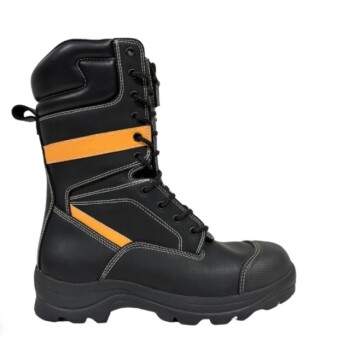
Premium Flame-Retardant Waterproof Safety Boots and Shoes
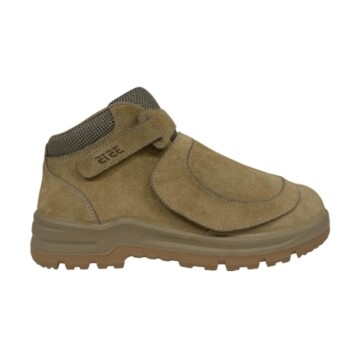
Premium Suede Metatarsal Guard Safety Boots Work Shoes

Premium KPU Athletic Safety Shoes for Wholesale

Premium Wheat Nubuck Safety Shoes for Bulk Distribution
