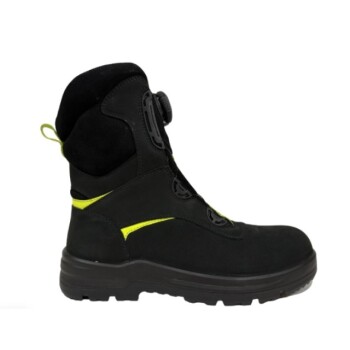
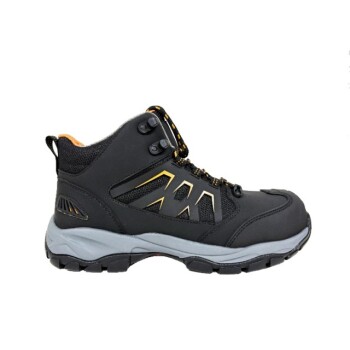
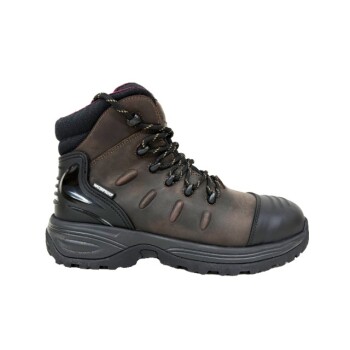
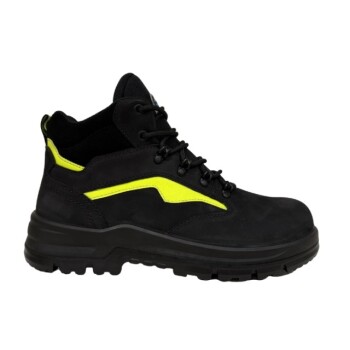
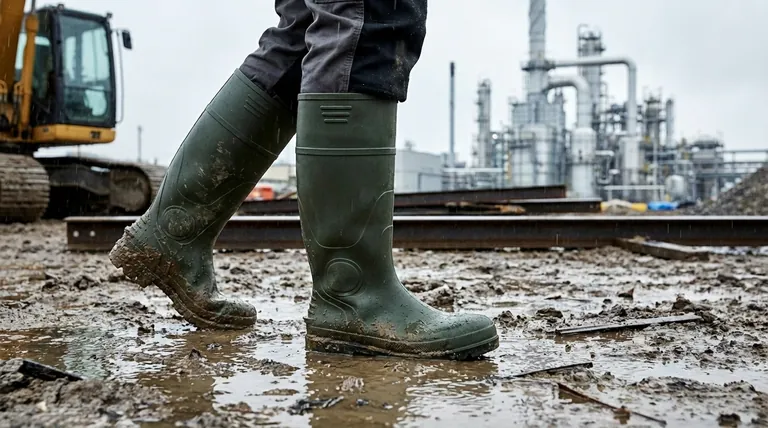
Beyond basic waterproofing, modern safety Wellington boots have evolved into highly specialized equipment. They now incorporate features designed for specific environmental hazards, including penetration-resistant midsoles, thermal insulation for extreme temperatures, anti-static properties to prevent sparks, and advanced outsoles engineered for superior slip resistance on oil or wet surfaces.
The key takeaway is that selecting a safety Wellington is no longer just about keeping your feet dry and protecting your toes. It's about conducting a risk assessment of your environment and choosing a boot with a specific combination of engineered features designed to mitigate those exact hazards.
Beyond Basic Protection: A Breakdown of Specialized Features
While steel toe caps and waterproof construction are the baseline, true safety comes from features that address the full spectrum of workplace risks. Understanding these additions is critical for ensuring you have the right protection.
Underfoot Integrity: Midsoles and Outsoles
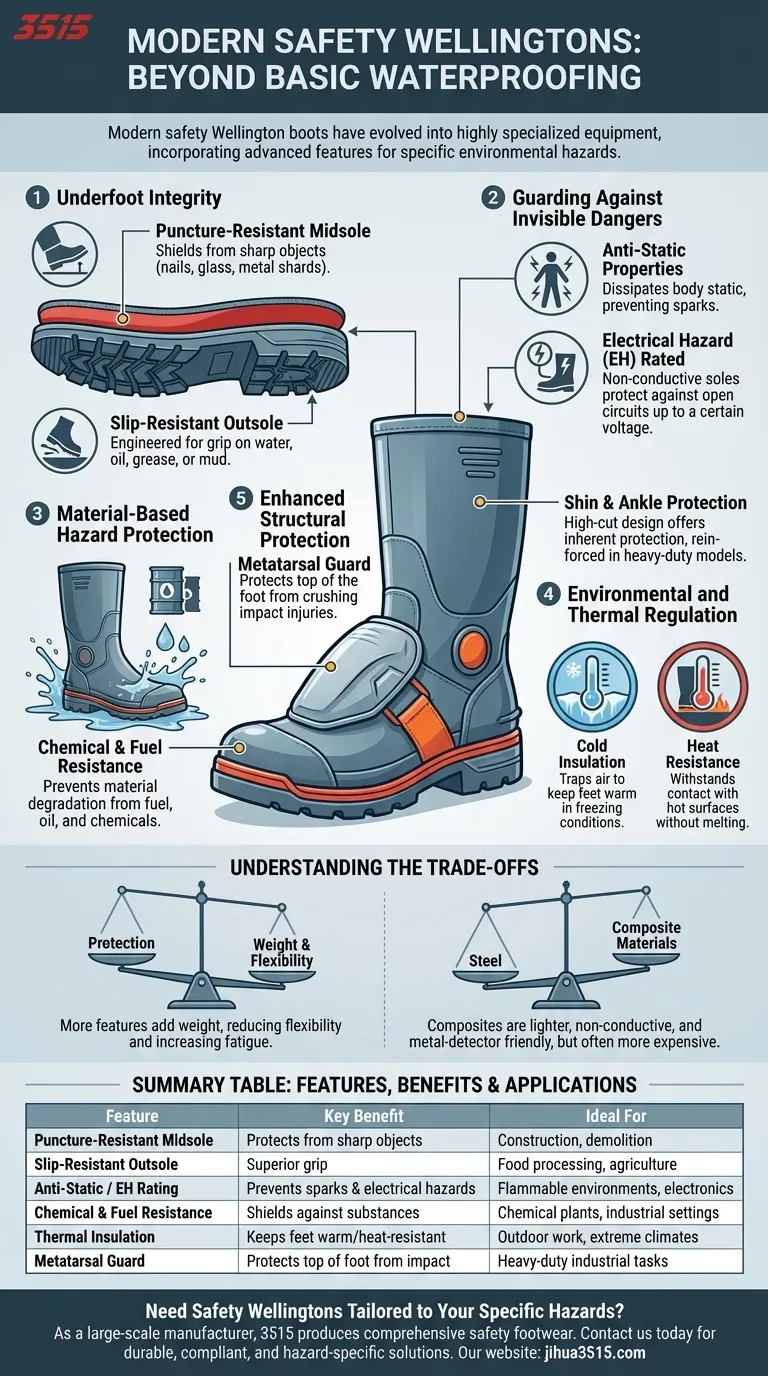
The sole of a modern safety boot is a multi-layered system. A puncture-resistant midsole, often made of steel or composite materials, shields your foot from sharp objects like nails, glass, or metal shards penetrating from below.
The outsole is engineered for grip. Modern compounds and tread patterns provide significant slip resistance, specifically tested to perform on surfaces contaminated with water, oil, grease, or mud, which are leading causes of workplace accidents.
Guarding Against Invisible Dangers
Many environments contain hazards that are not immediately visible. Anti-static boots are designed to dissipate the body's static electricity in a controlled manner, preventing a sudden discharge that could ignite flammable materials or damage sensitive electronics.
For direct contact with electricity, Electrical Hazard (EH) rated boots feature non-conductive soles that can protect the wearer from open circuits up to a certain voltage, providing a critical secondary layer of defense.
Material-Based Hazard Protection
The boot's material itself is a key safety feature. Wellingtons designed for industrial or chemical settings offer resistance to fuel, oil, and a range of chemicals. This prevents the material from degrading, which would compromise the boot's structural integrity and expose your skin to hazardous substances.
Environmental and Thermal Regulation
Working in extreme temperatures requires specialized protection. Cold insulation features use materials that trap air to keep feet warm in freezing conditions, preventing frostbite and discomfort.
Conversely, some boots offer heat resistance, using materials in the sole that can withstand contact with hot surfaces for short periods without melting or transferring dangerous levels of heat to the foot.
Enhanced Structural Protection
Protection has expanded beyond just the toe. A metatarsal guard is an external or internal shield that covers the top of the foot, protecting the delicate metatarsal bones from crushing impact injuries.
The high-cut nature of a Wellington also provides inherent shin and ankle protection, a feature often reinforced with more rigid materials in boots designed for heavy-duty work.
Understanding the Trade-offs
Choosing the right safety Wellington involves balancing competing needs. More features are not always better if they aren't the right features for your specific task.
Protection vs. Weight and Flexibility
Every added layer of protection, such as a steel midsole or a metatarsal guard, adds weight and can reduce flexibility. This can lead to increased fatigue over a long workday, so it's important to select only the features you truly need.
The Rise of Composite Materials
To combat the weight of steel, many modern boots use composite materials for toe caps and puncture-resistant plates. These alternatives are significantly lighter, do not conduct cold or heat, and will not trigger metal detectors, but they are often more expensive.
Specialization Means Compromise
A boot with maximum chemical resistance might use a polymer that is less breathable. A boot with heavy-duty cold insulation will be uncomfortable and cause excessive sweating in a warm environment. You must match the boot's specialization to the primary hazards of your job.
Making the Right Choice for Your Environment
Your choice should be dictated by a clear understanding of your daily tasks and potential hazards.
- If your primary focus is construction or demolition: Prioritize boots with penetration-resistant midsoles and metatarsal guards to protect against sharp debris and falling objects.
- If your primary focus is working with flammable materials or sensitive electronics: Your first priority should be finding a boot with the correct anti-static or Electrical Hazard (EH) rating.
- If your primary focus is in agriculture or food processing: Superior slip-resistance on wet and greasy floors is paramount, along with chemical resistance to cleaning agents.
- If your primary focus is outdoor work in extreme climates: Thermal insulation (either for heat or cold) is the most critical feature to ensure safety and comfort.
Ultimately, selecting the right safety Wellington is a critical risk assessment, not just a purchase.
Summary Table:
| Feature | Key Benefit | Ideal For |
|---|---|---|
| Puncture-Resistant Midsole | Protects from sharp objects like nails and glass | Construction, demolition sites |
| Slip-Resistant Outsole | Superior grip on oil, water, and grease | Food processing, agriculture |
| Anti-Static / EH Rating | Prevents sparks and electrical hazards | Flammable environments, electronics |
| Chemical & Fuel Resistance | Shields against hazardous substances | Chemical plants, industrial settings |
| Thermal Insulation | Keeps feet warm in cold or heat-resistant in high temps | Outdoor work, extreme climates |
| Metatarsal Guard | Protects the top of the foot from impact | Heavy-duty industrial tasks |
Need Safety Wellingtons Tailored to Your Specific Hazards?
As a large-scale manufacturer, 3515 produces a comprehensive range of safety footwear for distributors, brand owners, and bulk clients. Our production capabilities encompass all types of specialized boots and Wellingtons, designed to meet the exact safety standards of your industry. Contact us today for durable, compliant, and hazard-specific footwear solutions that protect your team and enhance workplace safety.
Visual Guide
Related Products
- Durable Waterproof Rain Boots | Custom Manufacturer for Wholesale & Brands
- Puncture-Resistant Velcro Safety Boots for Wholesale & Custom Manufacturing
- Wholesale Durable Safety Boots | Custom Steel Toe & Puncture-Resistant Manufacturing
- Premium Wholesale Tactical Style Safety Shoes Boots with Quick Lacing
- Premium High-Cut Waterproof Safety Boots Manufacturing & Wholesale Solutions
People Also Ask
- What are the main materials for waterproof rain boots? Choose the Right Material for Durability & Comfort
- What is the overall recommendation for choosing rain boot materials? A Guide to Rubber vs. PVC
- How does boot height affect waterproofing? Choose the Right Height for Ultimate Protection
- Why are rain boots more flexible and comfortable than snow boots? The Key Differences Explained
- What are the best types of shoes for different gardening conditions? Find Your Perfect Match.