At a high level, safety Wellington boots are standard protective equipment in industries where workers face a dual threat: wet or hazardous liquid environments combined with physical risks like falling objects or slippery surfaces. The most common sectors include construction, agriculture, and food processing, where their seamless, waterproof design is essential for both safety and hygiene.
The decision to use a safety Wellington isn't just about the industry; it's about the specific environmental conditions. They are the ideal solution when the need for waterproof or chemical protection overlaps with the requirement for impact, puncture, and slip resistance.
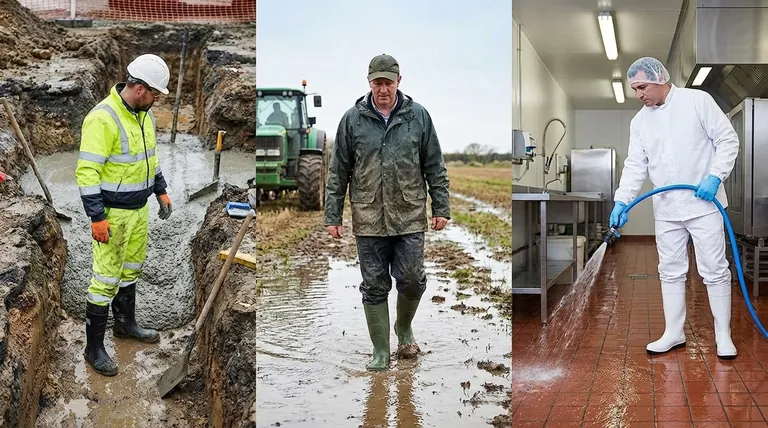
The Core Function: Protection from Liquids and Contaminants
The defining feature of a Wellington boot is its tall, seamless, and waterproof construction. This makes it the default choice for any environment where feet must be kept dry and clean from external substances.
Agriculture and Farming
Workers in agriculture are constantly exposed to mud, standing water, fertilizers, and animal waste. A safety Wellington provides necessary protection from these elements while also offering features like a steel toe cap for protection when working with heavy equipment or livestock.
Food Processing and Catering
Hygiene is paramount in these industries. The smooth, non-porous surface of a Wellington boot is easy to clean and sanitize, preventing the spread of contaminants. They protect workers' feet during frequent wash-downs and from spills of hot liquids, oils, and cleaning chemicals.
Construction and Wet Trades
On construction sites, workers often operate in muddy trenches, pour wet concrete, or work in unfinished areas exposed to the elements. Safety Wellingtons keep feet dry and protect them from caustic materials like fresh cement, which can cause severe burns.
Beyond Waterproofing: The "Safety" Component
A standard rubber boot keeps you dry, but a safety Wellington integrates critical protective features required by occupational health and safety standards.
Impact and Compression Resistance
Like traditional safety boots, these Wellingtons are equipped with protective toe caps (often steel or composite) to guard against injury from falling tools, equipment, or heavy materials. This is a non-negotiable feature in construction, manufacturing, and warehouse environments.
Slip Resistance
Floors in food service, manufacturing plants, and construction sites are frequently wet or contaminated with oils and other slick substances. Safety Wellingtons feature specialized, heavy-duty outsoles designed with deep treads to provide superior grip and prevent dangerous slips and falls.
Protection from Other Hazards
Many safety Wellingtons offer additional protection based on the specific needs of an industry. This can include resistance to oils, fuels, and industrial chemicals, as well as puncture-resistant midsoles to protect against sharp objects like nails on a construction site.
Understanding the Trade-offs
While invaluable in the right context, safety Wellingtons are not a universal solution. Understanding their limitations is key to making an informed choice.
Limited Ankle Support
The pull-on design, while convenient and waterproof, offers minimal ankle support compared to a lace-up work boot. For tasks involving climbing ladders or navigating highly uneven, rocky terrain, a traditional boot is often a safer choice.
Lack of Breathability
The same waterproof quality that makes Wellingtons effective also means they are not breathable. In hot and dry conditions, this can lead to discomfort and excessive sweating over a long workday, making other forms of safety footwear more suitable.
A Less Precise Fit
By nature, Wellingtons offer a looser fit than lace-up footwear. For roles that require significant walking or operating foot controls on machinery, the more secure fit of a standard safety boot or shoe may be preferable for comfort and control.
Making the Right Choice for Your Goal
Selecting the correct footwear requires analyzing your specific work environment and its associated hazards.
- If your primary focus is hygiene and protection from liquids: Safety Wellingtons are the definitive choice for industries like food processing, chemical handling, and farming.
- If your primary focus is all-day wear on dry, uneven terrain: A traditional lace-up safety boot with robust ankle support is a superior option for many construction, landscaping, or logistics roles.
- If your primary focus is impact protection in a consistently dry environment: You can choose between various footwear types, such as safety shoes or standard boots, without needing the specialized waterproofing of a Wellington.
Ultimately, choosing the right boot is a direct result of accurately identifying the specific hazards you face every day.
Summary Table:
| Industry | Primary Hazards Addressed | Key Safety Features |
|---|---|---|
| Agriculture & Farming | Mud, water, animal waste, heavy equipment | Waterproof, steel toe, chemical resistance |
| Food Processing & Catering | Hot liquids, oils, cleaning chemicals, hygiene | Easy-clean surface, slip-resistant sole |
| Construction & Wet Trades | Mud, wet concrete, caustic materials, falling objects | Puncture-resistant midsole, steel toe |
Need reliable safety footwear for your team?
As a large-scale manufacturer, 3515 produces a comprehensive range of high-quality safety Wellington boots for distributors, brand owners, and bulk clients. Our boots are engineered to meet the rigorous demands of your industry, offering superior waterproofing, impact protection, and slip resistance.
We can help you equip your workforce with the right protection. Contact us today for a consultation and quote!
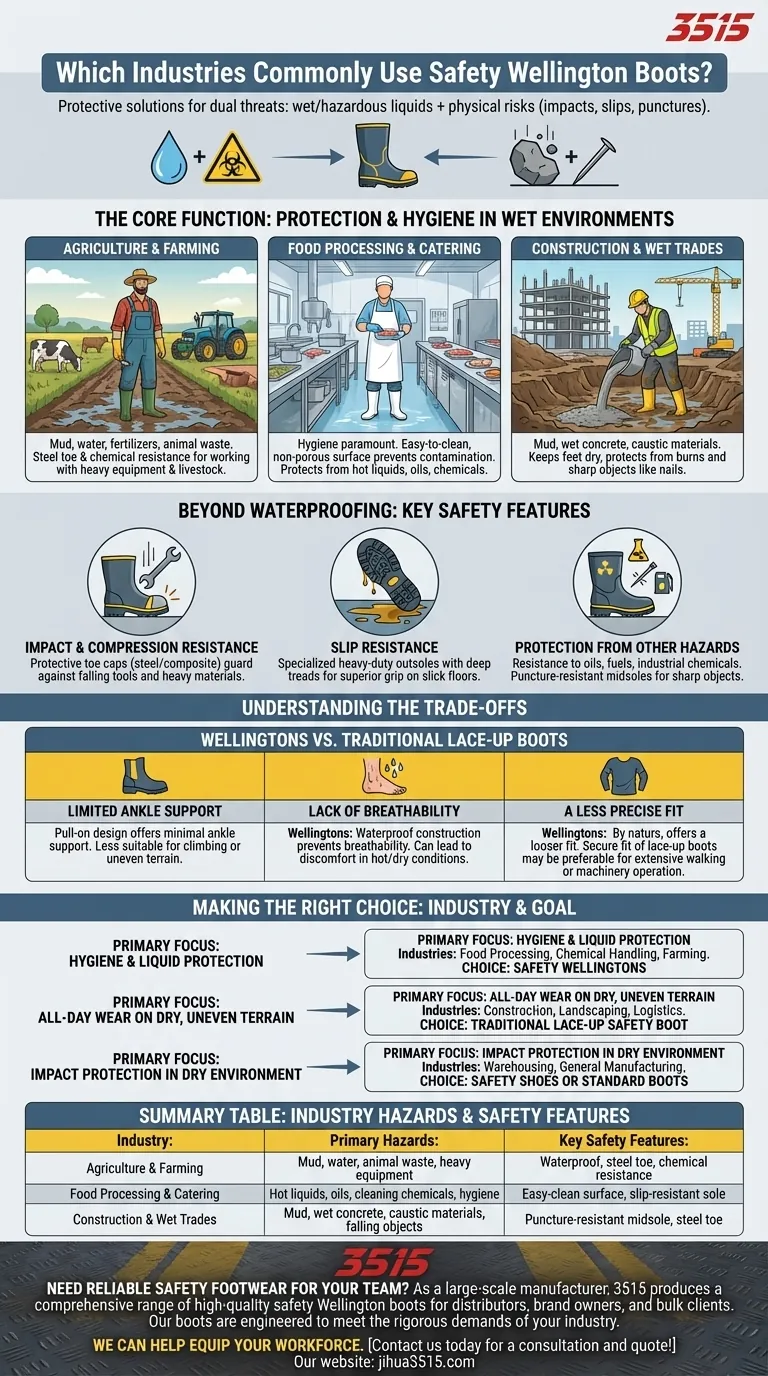
Visual Guide
Related Products
- Durable Waterproof Rain Boots | Custom Manufacturer for Wholesale & Brands
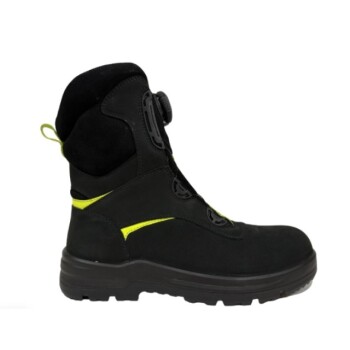
- Premium Wholesale Tactical Style Safety Shoes Boots with Quick Lacing
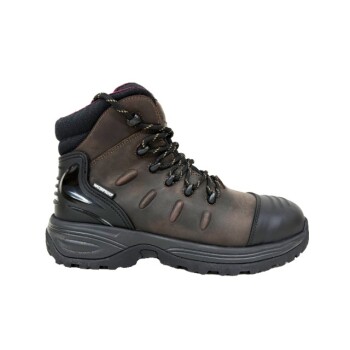
- Wholesale Durable Safety Boots | Custom Steel Toe & Puncture-Resistant Manufacturing
- Puncture-Resistant Velcro Safety Boots for Wholesale & Custom Manufacturing
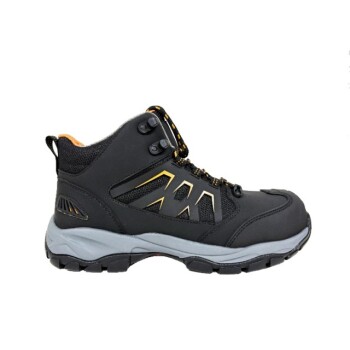
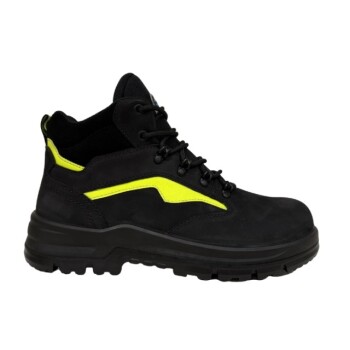
- Premium High-Cut Waterproof Safety Boots Manufacturing & Wholesale Solutions
People Also Ask
- What are the main materials for waterproof rain boots? Choose the Right Material for Durability & Comfort
- What is the overall recommendation for choosing rain boot materials? A Guide to Rubber vs. PVC
- How does boot height affect waterproofing? Choose the Right Height for Ultimate Protection
- Why are rain boots more flexible and comfortable than snow boots? The Key Differences Explained
- What are the best types of shoes for different gardening conditions? Find Your Perfect Match.