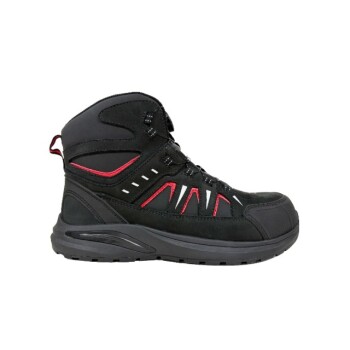
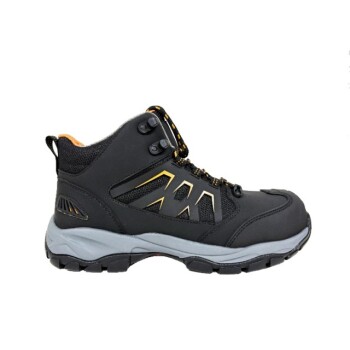
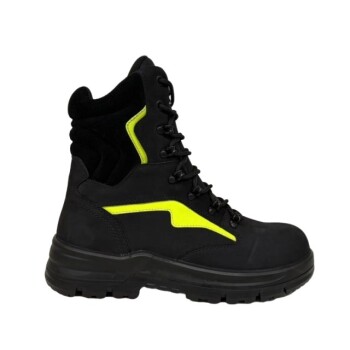
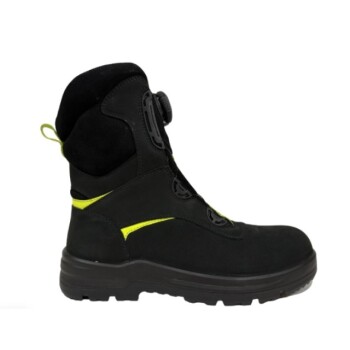
The primary reason for the popularity of composite toes is their ability to deliver certified impact protection without the two main drawbacks of traditional steel toes: significant weight and temperature conductivity. This makes them a modern solution for professionals seeking both safety and all-day comfort.
Choosing a safety toe is not just about meeting a standard; it's about optimizing for your specific work environment. While composite toes offer a compelling blend of lightweight comfort and non-metallic benefits, understanding their trade-offs against steel and alloy is essential for making an informed decision.
The Core Advantages of Composite Toes
The shift toward composite materials in safety footwear is driven by tangible benefits that directly impact the wearer's daily experience on the job site.
Significant Weight Reduction
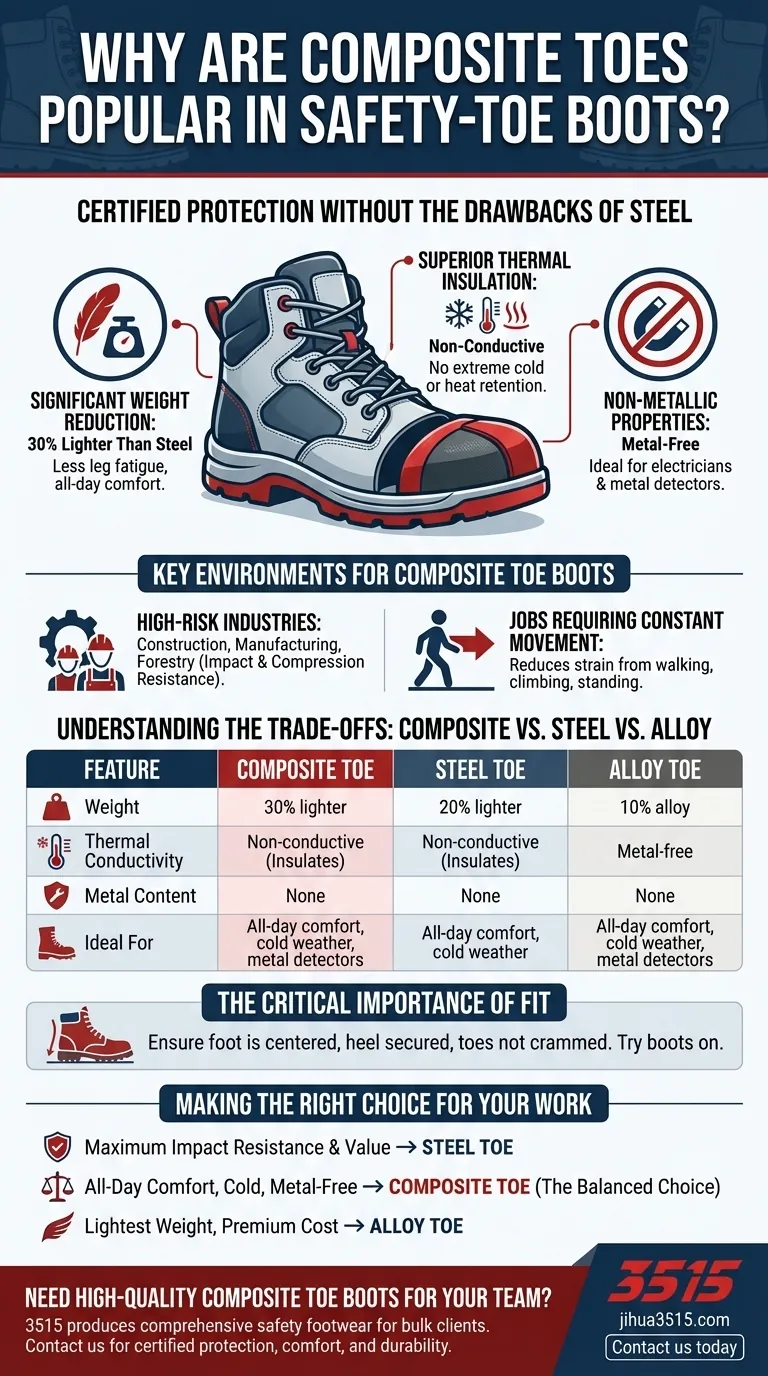
Composite toe caps are typically 30% lighter than their steel counterparts. This reduction in weight directly translates to less leg fatigue over a long workday, increasing overall comfort and endurance.
Superior Thermal Insulation
Unlike metal, composite materials do not conduct temperature effectively. This means they won’t become intensely cold in winter environments or retain heat in the summer, providing a more comfortable experience in variable climates.
Non-Metallic Properties
Being free of metal, composite toe boots are ideal for electricians or workers who need to pass through metal detectors frequently. This eliminates a common hassle and potential safety risk associated with metallic footwear.
Key Environments for Composite Toe Boots
While suitable for many roles, composite toes particularly excel in specific industries and conditions where their unique properties provide the greatest advantage.
High-Risk Industries
Composite toe boots provide the necessary impact and compression resistance for demanding fields like construction, manufacturing, and forestry, where foot injury risks are high.
Jobs Requiring Constant Movement
For professionals who are on their feet all day, the lighter weight of composite toes is a critical feature. It significantly reduces the physical strain associated with walking, climbing, and standing.
Understanding the Trade-offs: Composite vs. Steel vs. Alloy
To make the best choice, you must weigh the pros and cons of each safety toe material. Each is designed for a slightly different set of priorities.
The Composite Standard
Composite toes balance weight, comfort, and safety. However, to meet the same safety standards as steel, a composite cap may be slightly bulkier or more bulbous in shape.
The Steel Benchmark
Steel remains a trusted standard for a reason. It often provides the highest level of impact resistance in the thinnest possible toe cap, but it is heavy and conducts temperature.
The Alloy Alternative
Alloy toes, made from materials like aluminum or titanium, are the lightest option available—up to 50% lighter than steel. Their primary drawback is a significantly higher material cost, making them a less common, premium choice.
Beyond the Toe Cap: The Critical Importance of Fit
The most advanced safety toe is useless if the boot fits improperly. An incorrect fit not only compromises comfort but can also lead to blisters or reduce the boot's protective capabilities.
Key Fit Indicators
Ensure your foot feels centered and secure within the boot. Your heel should not lift excessively when you walk, and your toes should not be crammed against the safety cap. Always try boots on, as sizing can vary between manufacturers.
Making the Right Choice for Your Work
Your specific job requirements and priorities should dictate your choice of safety toe.
- If your primary focus is maximum impact resistance in a slim profile: Traditional steel toes often provide the best value and protection.
- If your primary focus is all-day comfort, cold weather work, or passing through metal detectors: Composite toes are the ideal, balanced choice.
- If your primary focus is achieving the absolute lightest weight possible and cost is not a factor: Alloy toes offer a premium alternative worth considering.
Ultimately, the best safety boot is the one that provides the necessary protection you will actually wear comfortably all day long.
Summary Table:
| Feature | Composite Toe | Steel Toe | Alloy Toe |
|---|---|---|---|
| Weight | 30% lighter than steel | Standard | Up to 50% lighter than steel |
| Thermal Conductivity | Non-conductive (Insulates) | Conducts temperature | Conducts temperature |
| Metal Content | None | Yes | Yes |
| Ideal For | All-day comfort, cold weather, metal detectors | Maximum impact resistance in slim profile | Lightest weight (premium cost) |
Need High-Quality Composite Toe Boots for Your Team?
As a large-scale manufacturer, 3515 produces a comprehensive range of safety footwear for distributors, brand owners, and bulk clients. Our production capabilities encompass all types of composite toe boots, ensuring your workforce gets the perfect blend of certified protection, lightweight comfort, and durability.
Contact us today to discuss your specific requirements and get a quote!
Visual Guide
Related Products
- Wholesale Durable Safety Boots Manufacturer Customizable Steel Toe Work Boots
- Safety Footwear Wholesale Manufacturer for Custom OEM/ODM Production
- Wholesale Mesh Steel Toe Safety Shoes with Dial Closure Factory Production
- Puncture-Resistant Velcro Safety Boots for Wholesale & Custom Manufacturing
- Wholesale Durable Breathable Safety Boots Custom OEM Manufacturer
People Also Ask
- What are the pros and cons of steel toe work boots? A Guide to Maximum Protection vs. Comfort
- What are the different types of steel toe work boots? Choose the Right Boot for Your Job
- What is the history of steel toe work boots? From German Invention to Modern Safety Standard
- How much weight can steel toe work boots withstand? Unpacking the 3,372 lb. Safety Standard
- What are some common myths about steel toe work boots? Debunked for Modern Workers