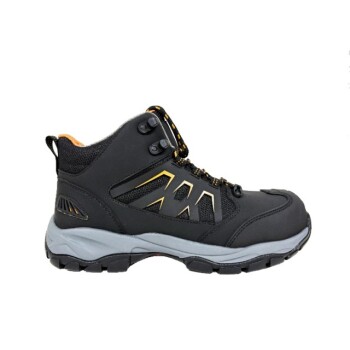
In short, the ASTM F2892-18 certification confirms that a piece of soft toe footwear meets specific performance standards for protection against workplace hazards. Crucially, this standard applies only to footwear that does not have a protective safety toe cap for impact or compression resistance.
Think of ASTM F2892 as a certification for specialized work boots. It guarantees protection against specific risks like electrical shock or sole puncture, but it is explicitly for jobs where toe impact from falling objects is not a hazard.
The Purpose of ASTM F2892: Protection Beyond the Toe
The creation of the ASTM F2892 standard addressed a critical gap in the market. Many jobs require protection from specific environmental hazards but have no risk of toe impact, making a heavy safety toe unnecessary.
Defining "Soft Toe Protective Footwear"
This standard covers footwear that looks and feels like a regular boot but has been tested and certified to meet one or more specific protective requirements.
The key is that the "protective" nature of the footwear comes from features other than a reinforced toe.
What Hazards Does It Cover?
A boot certified under ASTM F2892 is not automatically resistant to all hazards. The manufacturer must test for and specify which individual performance requirements the boot meets.
These can include:
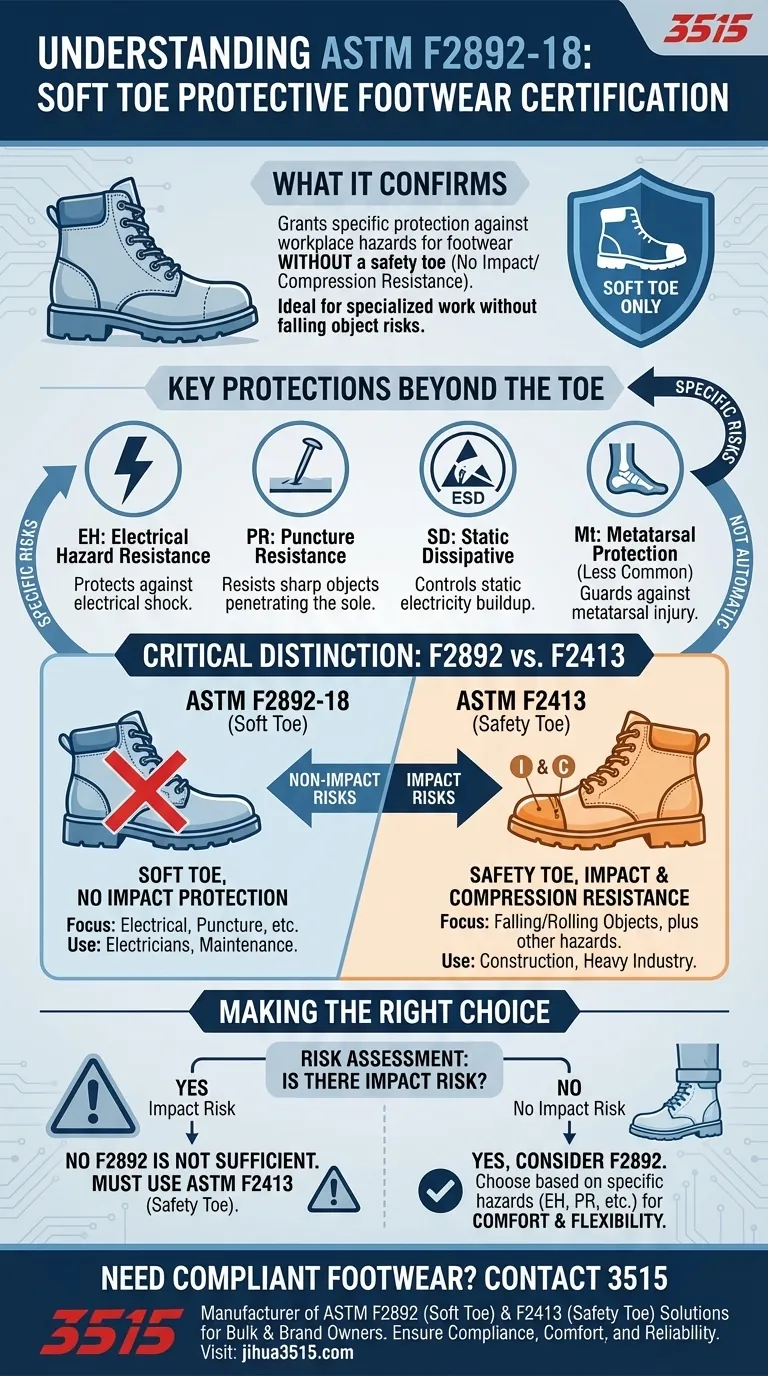
- EH: Electrical Hazard resistance
- PR: Puncture Resistance for the sole
- SD: Static Dissipative properties
- Mt: Metatarsal protection (though less common in soft toe)
The Critical Distinction from ASTM F2413
The most common point of confusion is the difference between this standard and ASTM F2413.
ASTM F2413 is the standard for Safety Toe footwear. It mandates testing for impact (I) and compression (C) resistance in the toe area. If your job requires a "steel toe" or "composite toe," you need F2413-rated footwear.
ASTM F2892 is the standard for Soft Toe footwear. It covers all the other potential hazards without requiring toe impact and compression resistance.
Common Pitfalls and Misconceptions
Understanding the limitations of this standard is as important as knowing its benefits. It prevents the selection of inappropriate footwear for a hazardous environment.
When a Soft Toe Is Not Enough
If your workplace risk assessment identifies any potential for objects falling on or rolling over your feet, footwear certified to ASTM F2892 is not sufficient.
You must use footwear that meets the ASTM F2413 standard for impact and compression resistance.
The "Protective" Misnomer
The term "Soft Toe Protective Footwear" can be misleading. Remember that the protection it certifies is specific and will be clearly labeled on the boot (e.g., "ASTM F2892 EH").
It does not offer the general, all-purpose protection that a safety toe cap provides against impacts.
Benefits of Omitting the Safety Toe
For the right application, F2892 footwear offers clear advantages. It is typically lighter, more flexible, and more comfortable for workers who are on their feet all day without the risk of toe injury.
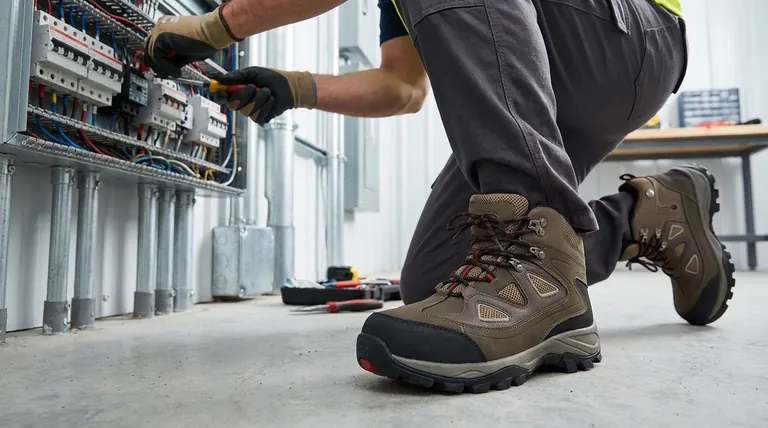
This makes it an ideal standard for roles like electricians or certain maintenance technicians where a safety toe is unnecessary.
Making the Right Choice for Your Work Environment
Your choice must always be guided by a thorough risk assessment of your specific job site and tasks.
- If your primary focus is compliance in an environment with impact risk: You must choose footwear certified to ASTM F2413, which guarantees toe protection.
- If your primary focus is protection from electrical hazards without impact risk: An ASTM F2892-rated boot with an "EH" rating is the correct and often more comfortable choice.
- If your primary focus is preventing sole punctures without impact risk: Look for footwear under ASTM F2892 that also specifies a Puncture Resistant ("PR") rating.
Ultimately, understanding these standards empowers you to select footwear that provides the precise protection you need without unnecessary weight or discomfort.
Summary Table:
| Feature | ASTM F2892-18 (Soft Toe) | ASTM F2413 (Safety Toe) |
|---|---|---|
| Toe Protection | No impact/compression resistance | Mandatory impact (I) & compression (C) resistance |
| Primary Use | Hazards like electrical shock, sole puncture | Environments with risk of falling/rolling objects |
| Key Protections | EH (Electrical Hazard), PR (Puncture Resistant) | I (Impact), C (Compression), plus others like EH, PR |
| Footwear Type | Specialized work boots without a safety toe cap | Traditional safety boots with a reinforced toe cap |
Need the Right Protective Footwear for Your Team?
As a large-scale manufacturer, 3515 produces a comprehensive range of ASTM-certified footwear for distributors, brand owners, and bulk clients. Whether your workforce requires the specific hazard protection of ASTM F2892 soft toe boots or the impact resistance of ASTM F2413 safety toe boots, we have the expertise and production capabilities to meet your needs.
We ensure:
- Precise Compliance: Footwear that meets the exact safety standards for your work environment.
- Superior Comfort: Lightweight and flexible designs for all-day wear.
- Bulk Reliability: Consistent quality and volume for large-scale orders.
Let's equip your team with the perfect balance of protection and comfort.
Contact our experts today for a consultation to discuss your specific requirements.
Visual Guide
Related Products
- Wholesale Safety Footwear Manufacturer for Bulk & Custom OEM Orders
- Wholesale Durable Safety Boots Manufacturer Customizable Steel Toe Work Boots
- Premium Lightweight Safety Shoes for Wholesale & Bulk Orders
- Premium Suede Sport Safety Shoes for Wholesale & Bulk Orders
- Wholesale Safety Boots Manufacturer for Custom & Private Label Orders
People Also Ask
- What type of safety shoe is recommended for workers exposed to heavy machinery? Steel Toe Boots for Ultimate Protection
- Why are industrial safety boots with steel toes necessary for machine operators? Essential Foot Protection for Safety
- Is the myth about steel toe shoes cutting off toes true? Debunking the Safety Footwear Myth
- Why are steel toes popular in safety footwear? The Ultimate Guide to Heavy-Duty Protection
- What are the recommended uses for steel toe safety shoes? Essential Protection for High-Risk Industries