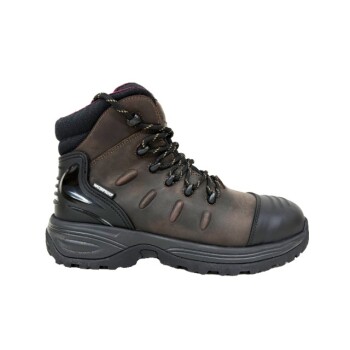
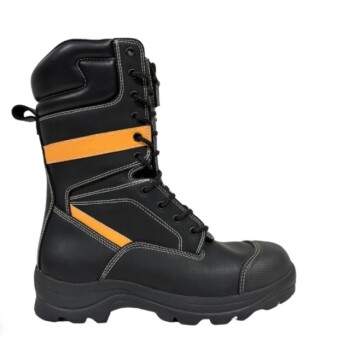
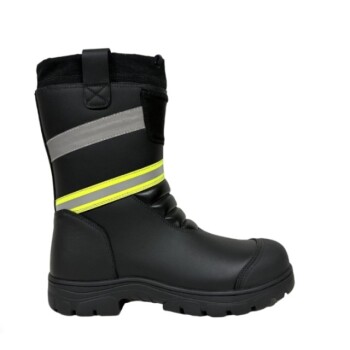
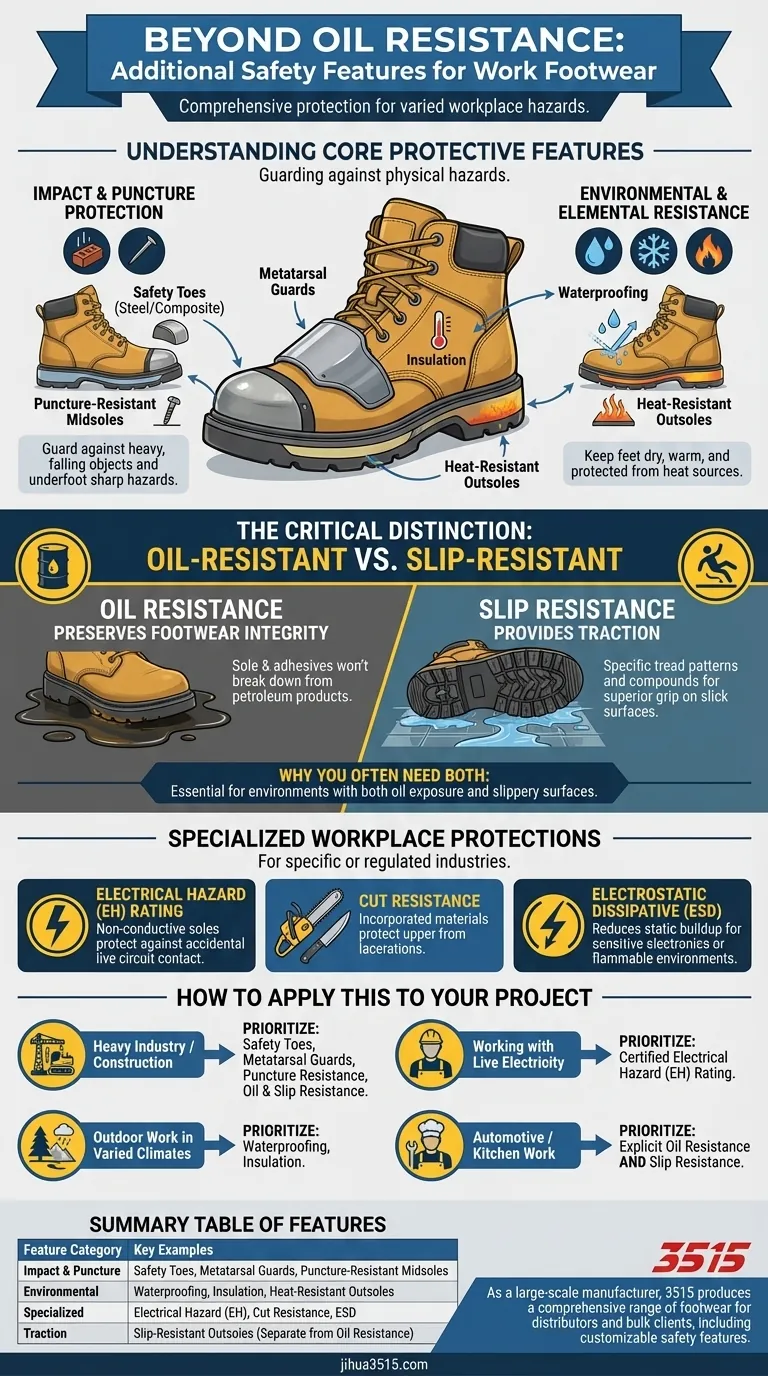
Beyond oil resistance, modern safety footwear can be equipped with a comprehensive suite of protective features to guard against a wide range of workplace hazards. These commonly include steel or composite safety toes for impact protection, puncture-resistant midsoles, metatarsal guards, and specialized slip-resistant outsoles designed for treacherous surfaces.
The key takeaway is that oil resistance is a foundational feature protecting the footwear itself from degradation. It serves as a platform upon which other critical safety functions—like impact, puncture, and slip resistance—are added to meet the specific demands of your work environment.
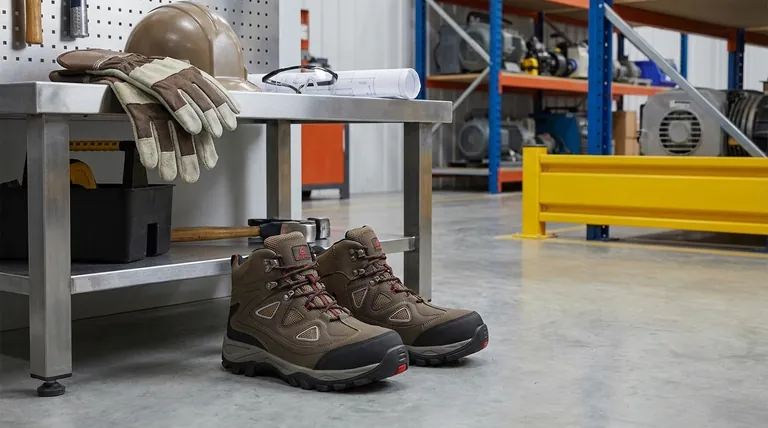
Understanding Core Protective Features
Selecting the right boot requires looking beyond oil resistance to the features that protect you from the physical and environmental hazards of your job.
Impact and Puncture Protection
The most common additions guard against falling objects and sharp underfoot hazards.
Safety toes, typically made of steel or lighter-weight composite materials, are essential for protecting your feet from heavy, falling, or rolling objects.
Metatarsal guards extend this protection up over the top of the foot (the metatarsal bones), shielding a larger and more vulnerable area from direct impact.
Puncture-resistant midsoles, often made of steel or flexible composite fabrics, are built into the sole to prevent nails, screws, and other sharp objects from piercing through the bottom of the boot.
Environmental and Elemental Resistance
Many roles require protection from more than just oil and impacts.
Waterproofing is a common feature that keeps feet dry in wet conditions, preventing discomfort and potential health issues.
Insulation is crucial for workers in cold environments, providing a thermal barrier to maintain foot temperature and prevent frostbite.
For jobs around high-heat sources like welding or asphalt, heat-resistant outsoles are designed to withstand high temperatures without melting or degrading.
The Critical Distinction: Oil-Resistant vs. Slip-Resistant
A common and dangerous point of confusion is assuming that "oil-resistant" automatically means "slip-resistant." These are two distinct and separate safety functions.
What Oil Resistance Guarantees
An oil-resistant rating specifically means the boot's sole and adhesives will not break down or degrade when exposed to petroleum-based products. This preserves the structural integrity and lifespan of the footwear.
How Slip Resistance Provides Safety
Slip resistance, on the other hand, relates to the outsole's ability to maintain traction on slick surfaces. This is achieved through specific tread patterns that channel liquids away and sole compounds engineered for superior grip.
Why You Often Need Both
In environments like auto shops or industrial kitchens, you are exposed to both oil (which degrades the boot) and slippery floors (which is an immediate fall hazard). It is crucial to verify that your footwear is rated for both oil resistance and slip resistance.
Specialized Workplace Protections
For highly specific or regulated industries, footwear may require additional certified safety features.
Electrical Hazard (EH) Rating
Electrical Hazard (EH) rated boots are constructed with non-conductive, shock-resistant soles and heels. This provides a secondary source of protection against accidental contact with live electrical circuits.
Cut Resistance
For workers using chainsaws or handling sharp materials like glass and sheet metal, cut-resistant materials are incorporated into the boot's upper to protect against lacerations.
Electrostatic Dissipative (ESD)
Electrostatic Dissipative (ESD) footwear is designed to reduce the buildup of static electricity. This is critical in sensitive electronics manufacturing or environments with flammable materials where a static spark could be catastrophic.
How to Apply This to Your Project
Your choice should be dictated entirely by a clear assessment of your daily workplace hazards.
- If your primary focus is heavy industry or construction: Prioritize safety toes, metatarsal guards, and puncture-resistant midsoles alongside oil and slip resistance.
- If your primary focus is working with live electricity: Ensure your boots have a certified Electrical Hazard (EH) rating as a non-negotiable feature.
- If your primary focus is outdoor work in varied climates: Look for a combination of waterproofing and insulation appropriate for your region.
- If your primary focus is automotive or kitchen work: Confirm your footwear is explicitly rated for both oil resistance and high-traction slip resistance.
Ultimately, understanding these features allows you to select footwear that offers complete and appropriate protection for your specific role.
Summary Table:
| Feature Category | Key Examples |
|---|---|
| Impact & Puncture | Safety toes, metatarsal guards, puncture-resistant midsoles |
| Environmental | Waterproofing, insulation, heat-resistant outsoles |
| Specialized | Electrical Hazard (EH), cut resistance, Electrostatic Dissipative (ESD) |
| Traction | Slip-resistant outsoles (separate from oil resistance) |
As a large-scale manufacturer, 3515 produces a comprehensive range of footwear for distributors, brand owners, and bulk clients. Our production capabilities encompass all types of safety shoes and boots, including oil-resistant models with customizable features like impact protection, slip resistance, and specialized ratings. Let us help you source the ideal protective footwear for your market — contact us today to discuss your project requirements!
Visual Guide
Related Products
- Premium Oil Wax Leather Safety Boots for Bulk Purchase
- Heavy-Duty Waterproof Nubuck Safety Boots Safety Shoes for Bulk Supply
- Premium Wholesale Waterproof Safety Boots High Performance Protection for Industrial Markets
- Premium Flame-Retardant Waterproof Safety Boots and Shoes
- Durable Waterproof Rain Boots | Custom Manufacturer for Wholesale & Brands
People Also Ask
- What materials are commonly used for outsoles in safety boots? A Guide to Durability, Grip, and Comfort
- How do safety boots reduce cutting hazards? Essential Protection for Your Workforce
- What are the common types of safety boots and their primary uses? A Guide to Industrial Footwear
- Which organizations develop safety standards for work boots? Ensure Compliance & Worker Safety
- What primary protective functions do professional safety boots provide in urban solid waste recovery and waste picking processes? Discover Dual-Layer Protection.