Articles
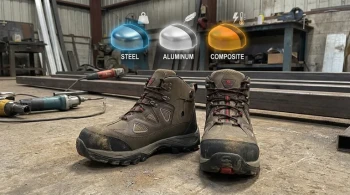
Beyond Impact: A Systems Approach to Selecting Safety Boot Toes
13 hours agoChoosing a safety toe isn't just steel vs. composite; it's a trade-off analysis of weight, conductivity, and environment for optimal safety.
Learn More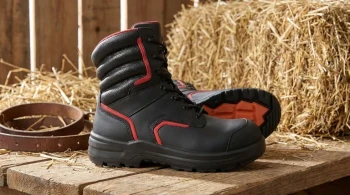
Beyond Armor: The Biomechanical and Psychological Role of the Modern Horse Boot
1 day agoHorse boots do more than protect; they support ligaments and enhance proprioception. Their effectiveness hinges on a perfect fit and material choice.
Learn More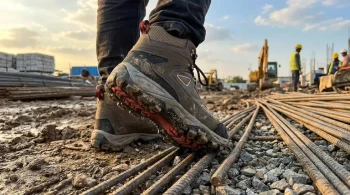
Beyond Compliance: The Engineering and Psychology of Construction Footwear
2 days agoConstruction safety footwear is more than a checklist item. It's a critical system designed to manage kinetic energy, punctures, and cognitive failure.
Learn More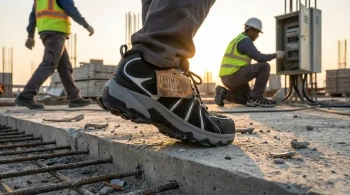
Beyond the Steel Toe: Decoding the Hidden Logic of ASTM F2413 for Workplace Safety
3 days agoASTM F2413 codes on safety shoes are a critical language for hazard protection. Misunderstanding them creates a dangerous illusion of safety.
Learn More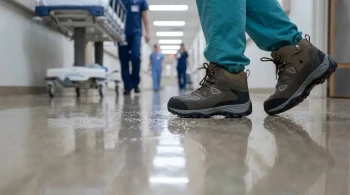
The Calculus of a Single Step: Why Hospital Footwear Is a Critical System, Not an Accessory
4 days agoHospital hazards like sharps, spills, and impacts demand engineered safety footwear. Understand the critical difference between comfort and certified protection.
Learn More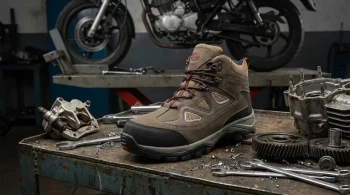
The Physics of Survival: Engineering Beyond the Boot
5 days agoMotorcycle boots are engineered systems managing impact, abrasion, and torsion—critical for both crash survival and proactive accident prevention.
Learn More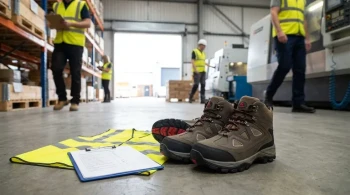
The Unspoken Rule of OSHA Foot Protection: It's Not About the Boot, It's About the Diagnosis
6 days agoOSHA compliance for safety footwear is not about a product, but a process. It begins with a hazard assessment, not a catalog.
Learn More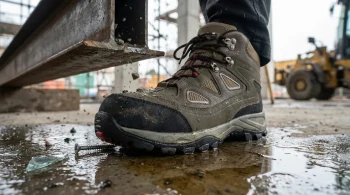
Beyond the Steel Toe: A Hazard-First Approach to Foot Protection
1 week agoChoosing safety footwear by job title is a flawed shortcut. A hazard-first assessment of impact, puncture, and slip risks ensures real protection.
Learn More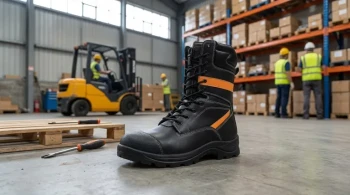
The Invisible Line: When a Work Boot Becomes a Company's Financial Responsibility
1 week agoHow OSHA's PPE rule dictates who pays for safety boots, turning a simple purchase into a systemic decision about liability and workplace safety.
Learn More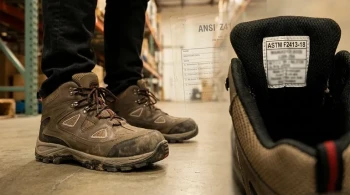
The Ghost in the Machine: Why an Obsolete Footwear Standard Creates Modern Risk
1 week agoANSI Z41 is an obsolete safety footwear standard replaced by ASTM F2413. Relying on it creates significant compliance and safety gaps.
Learn More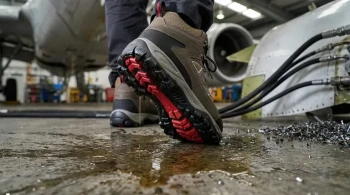
Beyond the Tread: The Molecular Science of a Fail-Safe Work Boot Sole
1 week agoDiscover the material science of TPU soles. Learn why their molecular structure provides superior oil resistance and durability for safety footwear.
Learn More
The OSHA Framework: Why Compliance Is a Floor, Not a Ceiling
1 week agoOSHA provides the legal minimum for workplace safety, but a true safety culture stems from proactive commitment, not reactive compliance.
Learn More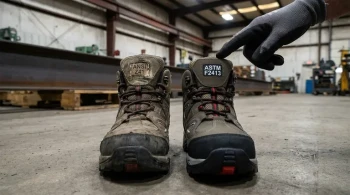
Beyond the Logo: Decoding the Critical Shift from ANSI to ASTM in Safety Footwear
1 week agoLearn the crucial difference between obsolete ANSI Z41 and current ASTM F2413 safety boot standards to ensure OSHA compliance and true worker protection.
Learn More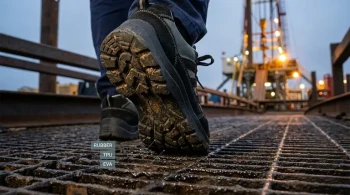
Beyond 'Oil-Resistant': The Material Science of a Worker's Most Critical Tool
1 week agoChoosing the right oil-resistant boot sole (Rubber, TPU, EVA) is a critical trade-off between durability, weight, and comfort for worker safety.
Learn More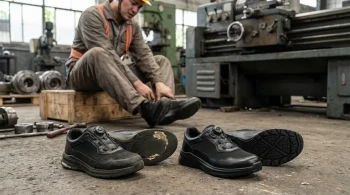
The Sole's Paradox: Trading Durability for a Day's Comfort
2 weeks agoEVA soles offer exceptional comfort but wear quickly, posing a hidden risk. Understand the trade-off between shock absorption and long-term durability.
Learn More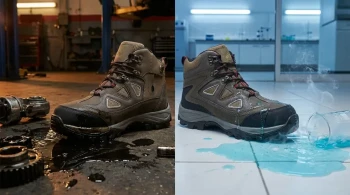
Beyond the Label: The Critical Difference Between Oil and Chemical Resistance in Safety Footwear
2 weeks agoOil resistance protects a boot's sole from decay; chemical resistance protects your foot from harm. This crucial distinction is vital for PPE decisions.
Learn More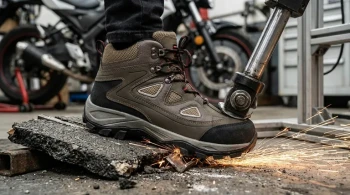
Beyond Leather: The Mechanical Engineering of Motorcycle Boot Safety
2 weeks agoMotorcycle boots are engineered systems designed to manage the impact, abrasion, and torsional forces that can shatter bones in a crash.
Learn More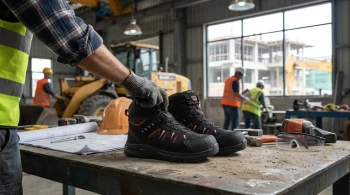
Beyond the Steel Toe: The Cognitive Science of Choosing the Right Work Boot
2 weeks agoChoosing the right work boot is a cognitive task of matching specific features to real-world hazards, not just picking the strongest option.
Learn More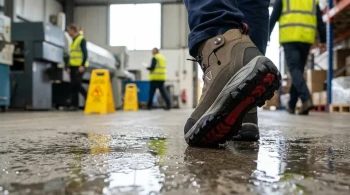
The Compliance Trap: Why Your ASTM-Certified Boots Might Be Missing the Point
2 weeks agoASTM F2413 is the foundation for safety footwear, but it critically omits slip resistance. Learn why this gap exists and how to truly protect your team.
Learn More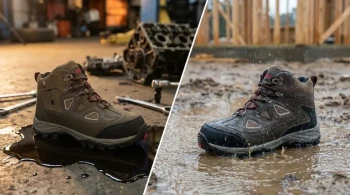
The Chemistry of Failure: Why Oil-Resistant and Waterproof Boots Solve Fundamentally Different Problems
2 weeks agoOil-resistant boots protect the boot from chemical breakdown; waterproof boots protect the foot from moisture. This distinction is critical for safety.
Learn More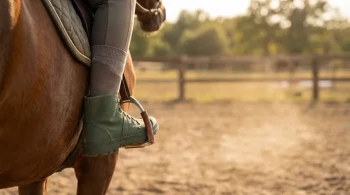
Beyond the Leather: The Physics and Psychology of a Perfect Riding Boot Fit
2 weeks agoDiscover why a riding boot's fit is a critical system for safety, communication, and rider confidence, not just a matter of comfort.
Learn More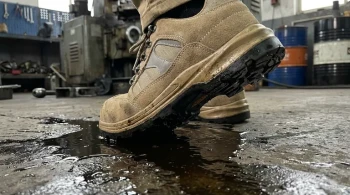
Beyond the Tread: The Molecular Battle for Grip on Oily Surfaces
3 weeks agoWhy do oil-resistant boots fail? Discover the molecular science behind Vibram's grip and why the entire boot system matters for true safety.
Learn More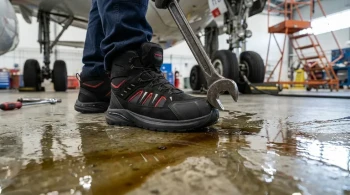
The Unseen Engineering: Why Steel Toes Succeed or Fail in Oily Environments
3 weeks agoExplore the engineering behind steel toe safety boots, from non-corrosive metals to the oil-resistant elastomers that prevent catastrophic failure.
Learn More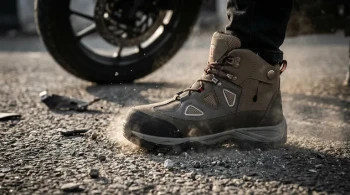
Anatomy of a Fall: The Biomechanics of Motorcycle Boot Engineering
3 weeks agoMotorcycle boots are engineered systems managing impact, abrasion, and the critical torsional forces that shatter ankles in a crash.
Learn More
The Genius of Omission: How Engineer Boots Redefined Industrial Safety
3 weeks agoDiscover how the engineer boot's lace-free design was a deliberate act of 'design by subtraction' to solve critical industrial hazards.
Learn More
The Release Mechanism: Why a Rider's Most Important Safety Feature is Designed to Let Go
3 weeks agoA riding boot isn't about grip; it's a safety device. Its key features—a smooth sole and defined heel—are designed for a clean release from the stirrup.
Learn More
More Than Steel: The Hidden Engineering That Keeps Miners Safe
3 weeks agoA mining boot is a system of interlocking safety features. This article deconstructs how safety toes, EH ratings, and comfort prevent accidents.
Learn More
The Unseen Load: Why the Smartest Work Boot Isn't Always the Strongest
3 weeks agoBeyond the steel toe, discover the strategic trade-off between protection and endurance. Learn why non-safety boots reduce fatigue in low-risk jobs.
Learn More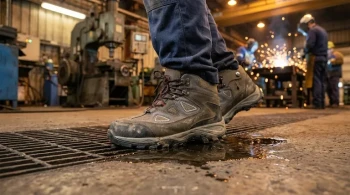
Beyond the Steel Toe: The Human Factors of Industrial Footwear
4 weeks agoSafety footwear is a complex system designed to mitigate specific industrial risks. Learn how to balance protection, comfort, and compliance.
Learn More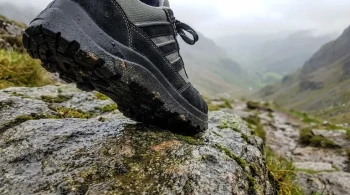
The Physics of Confidence: How Outsole Engineering Creates Hiker Safety
4 weeks agoTraction is an engineered system of outsole, lugs, and rubber that creates the predictability and confidence essential for trail safety.
Learn More