Thematics Leather Boots
Toggle Categories

Get Instant Support

Choose your preferred way to connect with our team

Response Time

Within 8 hours on working days, 24 hours on holidays

leather boots

Leather boots are the ultimate combination of durability, style, and functionality, suitable for various professional and outdoor applications. Our collection includes:

  • Men's Leather Dress Shoes & Boots: Elegant business footwear with dial closure systems and all-day comfort, perfect for corporate professionals.
  • Women's Classic Lace-Up Leather Ankle Boots: Versatile and stylish, ideal for office wear and urban environments.
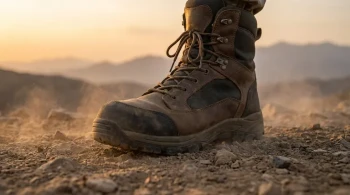
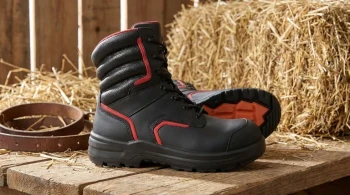
  • Tactical Military & Police Boots: Designed for tactical operations with durable leather and advanced traction features.
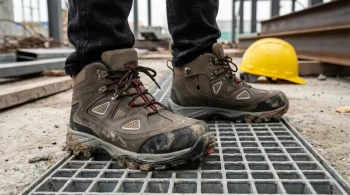
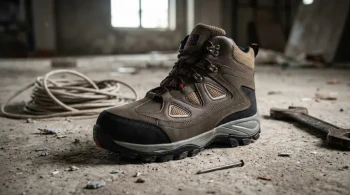
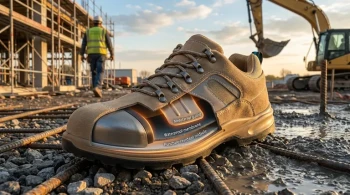
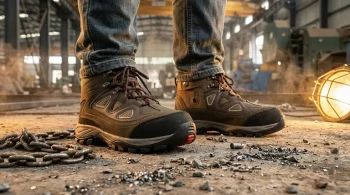
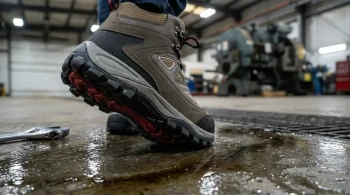
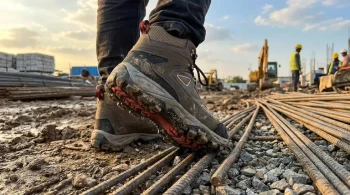
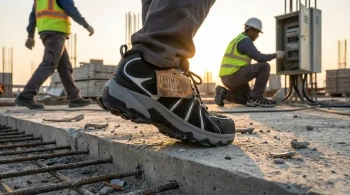
  • Rugged Work Boots: Slip-resistant, puncture-proof soles with customizable safety features for construction and heavy labor.

Each pair is crafted with premium materials and designed for long-lasting performance.


Premium Leather Boots: Durability, Comfort, and Customization

Leather boots have been a staple in footwear for centuries, offering unmatched durability, style, and versatility. At 3515, we specialize in crafting high-quality leather boots tailored for work, business, and tactical use. Our boots are designed to meet the demands of professionals who require both functionality and comfort.

Key Features of Our Leather Boots

  1. Durability: Made from full-grain leather, our boots are built to withstand harsh conditions, providing multiple seasons of use. The natural strength of leather ensures longevity, even in demanding environments.

  2. Comfort: Modern leather boots are designed for immediate comfort, with ergonomic support and cushioning for all-day wear. The leather molds to the shape of your foot over time, offering a personalized fit.

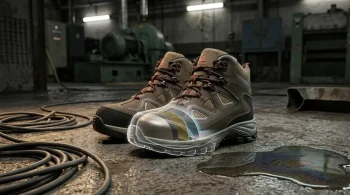
  3. Water Resistance: Our waterproof leather boots provide excellent protection against moisture, keeping your feet dry in wet conditions. Unlike synthetic materials, leather maintains its waterproof properties over time.

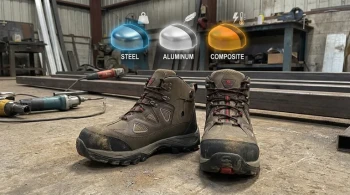
  4. Customization: We offer customizable options for safety features, colors, and designs, making our boots ideal for uniform programs and bulk orders. Whether you need steel toe protection or slip-resistant soles, we can tailor the boots to your specifications.

  5. Versatility: From business formal to rugged work boots, our collection covers a wide range of applications. Each pair is designed to meet the specific needs of professionals in various industries.

Applications of Leather Boots

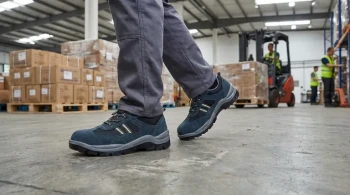
  • Work & Safety: Our rugged work boots are perfect for construction, warehousing, and heavy labor, with features like puncture-proof soles and ankle support.
  • Business & Formal: Elegant leather dress shoes and boots for corporate professionals, combining style with all-day comfort.
  • Tactical & Military: Designed for law enforcement and military personnel, our tactical boots offer durability, breathability, and advanced traction.
  • Fashion & Urban Wear: Stylish ankle boots and derby shoes for everyday wear, blending fashion with functionality.

Why Choose 3515 Leather Boots?

  • Proven Quality: As a large-scale manufacturer, we adhere to strict quality standards, ensuring every pair meets the highest benchmarks.
  • Bulk Order Expertise: We specialize in serving distributors, brand owners, and bulk clients, offering competitive pricing and flexible customization.
  • Comprehensive Range: Our production capabilities cover all types of shoes and boots, making us a one-stop solution for all your footwear needs.

Get Started Today

Ready to explore our premium leather boots? Contact us to discuss your requirements or request a custom quote. Our team of experts is here to help you find the perfect footwear solution for your needs. Whether you're looking for durable work boots or stylish business footwear, 3515 has you covered.

Don’t settle for less—choose leather boots that combine tradition with modern innovation. Let’s create the perfect pair for you!

FAQ

What Are The Main Applications Of Leather Boots?

Leather boots are versatile and used for various purposes including work environments, outdoor activities, fashion statements, and protective footwear. They are particularly valued in professions requiring durability and protection, such as construction, military, and law enforcement.

What Types Of Leather Boots Are Available?

Leather boots come in several types, including full grain leather for maximum durability and water resistance, suede for a softer texture, and patent leather for a glossy finish. There are also specialized boots like tactical military boots and formal dress boots.

How Do Leather Boots Provide Comfort And Fit?

Leather boots mold to the shape of the wearer's feet over time, providing a custom fit that enhances comfort. Modern designs also incorporate ergonomic features to ensure comfort from the first wear.

What Are The Advantages Of Choosing Leather Boots Over Synthetic Materials?

Leather boots are more durable and longer-lasting than synthetic alternatives. They offer better natural water resistance without relying on liners that can degrade. Leather also provides superior breathability and can be resoled, extending the boot's lifespan.

How Should Leather Boots Be Maintained?

Proper maintenance includes regular cleaning after use, conditioning to keep the leather supple, and reproofing to maintain water resistance. These steps help preserve the boots' appearance and functionality over many years.

Are Leather Boots Suitable For All Weather Conditions?

Yes, high-quality leather boots with proper treatment are suitable for various weather conditions. They provide natural insulation and can be treated to enhance water resistance, making them ideal for both wet and cold environments.

Can Leather Boots Be Customized For Specific Needs?

Many leather boots offer customizable features such as safety toes, slip-resistant soles, and specific fits to meet professional or personal requirements. This makes them adaptable for various occupational and recreational uses.

REQUEST A QUOTE

Our professional team will reply to you within one business day. Please feel free to contact us!


Related Articles

The Chemistry of Failure: Why Oil-Resistant and Waterproof Boots Solve Fundamentally Different Problems

The Chemistry of Failure: Why Oil-Resistant and Waterproof Boots Solve Fundamentally Different Problems

Oil-resistant boots protect the boot from chemical breakdown; waterproof boots protect the foot from moisture. This distinction is critical for safety.

Read more
Beyond the Leather: The Physics and Psychology of a Perfect Riding Boot Fit

Beyond the Leather: The Physics and Psychology of a Perfect Riding Boot Fit

Discover why a riding boot's fit is a critical system for safety, communication, and rider confidence, not just a matter of comfort.

Read more
Beyond the Tread: The Molecular Battle for Grip on Oily Surfaces

Beyond the Tread: The Molecular Battle for Grip on Oily Surfaces

Why do oil-resistant boots fail? Discover the molecular science behind Vibram's grip and why the entire boot system matters for true safety.

Read more
The Unseen Engineering: Why Steel Toes Succeed or Fail in Oily Environments

The Unseen Engineering: Why Steel Toes Succeed or Fail in Oily Environments

Explore the engineering behind steel toe safety boots, from non-corrosive metals to the oil-resistant elastomers that prevent catastrophic failure.

Read more
Anatomy of a Fall: The Biomechanics of Motorcycle Boot Engineering

Anatomy of a Fall: The Biomechanics of Motorcycle Boot Engineering

Motorcycle boots are engineered systems managing impact, abrasion, and the critical torsional forces that shatter ankles in a crash.

Read more
The Genius of Omission: How Engineer Boots Redefined Industrial Safety

The Genius of Omission: How Engineer Boots Redefined Industrial Safety

Discover how the engineer boot's lace-free design was a deliberate act of 'design by subtraction' to solve critical industrial hazards.

Read more
The Release Mechanism: Why a Rider's Most Important Safety Feature is Designed to Let Go

The Release Mechanism: Why a Rider's Most Important Safety Feature is Designed to Let Go

A riding boot isn't about grip; it's a safety device. Its key features—a smooth sole and defined heel—are designed for a clean release from the stirrup.

Read more
More Than Steel: The Hidden Engineering That Keeps Miners Safe

More Than Steel: The Hidden Engineering That Keeps Miners Safe

A mining boot is a system of interlocking safety features. This article deconstructs how safety toes, EH ratings, and comfort prevent accidents.

Read more
The Unseen Load: Why the Smartest Work Boot Isn't Always the Strongest

The Unseen Load: Why the Smartest Work Boot Isn't Always the Strongest

Beyond the steel toe, discover the strategic trade-off between protection and endurance. Learn why non-safety boots reduce fatigue in low-risk jobs.

Read more
Beyond the Steel Toe: The Human Factors of Industrial Footwear

Beyond the Steel Toe: The Human Factors of Industrial Footwear

Safety footwear is a complex system designed to mitigate specific industrial risks. Learn how to balance protection, comfort, and compliance.

Read more
The Physics of Confidence: How Outsole Engineering Creates Hiker Safety

The Physics of Confidence: How Outsole Engineering Creates Hiker Safety

Traction is an engineered system of outsole, lugs, and rubber that creates the predictability and confidence essential for trail safety.

Read more
The Anatomy of a Mandate: Beyond the Steel Toe in Workplace Safety

The Anatomy of a Mandate: Beyond the Steel Toe in Workplace Safety

Learn the critical difference between OSHA's mandate and ASTM's standards to select truly effective safety footwear and avoid costly compliance errors.

Read more
The Physics of a Crushed Toe: A First-Principles Guide to Safety Footwear

The Physics of a Crushed Toe: A First-Principles Guide to Safety Footwear

Choosing safety boots isn't about your industry, but about assessing the fundamental physics of impact and compression risks in your environment.

Read more
The Weight of Safety: A Material Science Approach to Foot Protection

The Weight of Safety: A Material Science Approach to Foot Protection

Choosing a safety toe isn't just steel vs. composite. It's a critical trade-off between weight, fatigue, and conductivity. Here's how to decide.

Read more
Beyond Leather: The Engineering That Keeps Your Ankles Intact

Beyond Leather: The Engineering That Keeps Your Ankles Intact

A deep dive into the physics of motorcycle crashes and the engineering principles—impact, abrasion, and torsion—that make boots critical safety gear.

Read more
Beyond Steel: The Systems Engineering of the Modern Composite Toe Boot

Beyond Steel: The Systems Engineering of the Modern Composite Toe Boot

Discover how composite toes work as a system of materials to offer non-conductive, lightweight protection meeting ASTM safety standards.

Read more
Beyond the Steel Toe: The Hidden Engineering of Modern Safety Footwear

Beyond the Steel Toe: The Hidden Engineering of Modern Safety Footwear

Discover how modern safety shoes integrate advanced protective tech into conventional designs, solving the psychological trade-off between safety and identity.

Read more
The Physics of a Saved Foot: Why Toe Cap Material Is a Strategic Choice

The Physics of a Saved Foot: Why Toe Cap Material Is a Strategic Choice

An engineering look at safety toe caps. Learn how steel and composite materials protect against impact and why the right choice is critical.

Read more
The Unseen Physics of Failure: Why Work Boots Are Your Most Critical PPE

The Unseen Physics of Failure: Why Work Boots Are Your Most Critical PPE

Inadequate work boots create a false sense of security. Understanding the physics of failure—from tread wear to impact compromise—is key to workplace safety.

Read more
The Silent Language of Safety: Decoding the Engineering of a Work Boot

The Silent Language of Safety: Decoding the Engineering of a Work Boot

A work boot's safety label is a technical language. Learn to decode it to understand the critical trade-offs between protection, weight, and job-specific risks.

Read more