Thematics Goodyear Shoes

goodyear shoes

Goodyear welted shoes are renowned for their durability, comfort, and longevity, making them ideal for industrial, outdoor, and urban environments. Our product range includes:

  • Rugged Digital Camo Canvas Vulcanized Rubber Soled Utility Shoes: Durable vulcanized work shoes with superior traction, customizable safety features, and all-day comfort.
  • 3515 Versatile Safety Footwear for Work and Protection: Reliable safety footwear designed for workplace protection and comfort.
  • Customisable Safety Footwear by 3515 for Workplace Protection: Premium safety shoes with steel toe protection, slip resistance, and ergonomic comfort, perfect for bulk orders.

Why Choose Our Goodyear Welted Shoes?

Goodyear welted shoes are crafted using a construction method that involves attaching the upper part of the shoe to the insole using a welt—a strip of leather or other material. This creates a strong and secure connection, ensuring the shoes withstand regular wear and tear better than other types of shoe construction. Here’s why our Goodyear welted shoes stand out:

Durability & Longevity

Our shoes are built to last. The Goodyear welt construction provides exceptional resistance to wear, making them ideal for demanding environments. The metal shank maintains structural integrity while allowing natural foot movement, and the high-quality leather uppers flex to match your gait patterns.

Unmatched Comfort

The cork-filled cavity between the insole and outsole molds to the shape of your foot over time, providing personalized comfort. This feature, combined with ergonomic design, ensures all-day support and stability, reducing fatigue even during extended wear.

Superior Water Resistance

Goodyear welted shoes offer higher water resistance compared to other footwear types. The tight seal created by the welt construction prevents moisture from seeping in, keeping your feet dry in wet conditions.

Customizable Safety Features

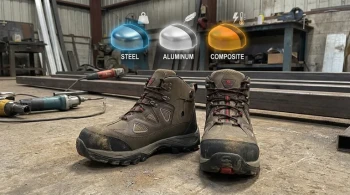
We understand that different workplaces have varying safety requirements. Our shoes can be customized with features like steel toe caps, slip-resistant soles, and electrical hazard protection to meet your specific needs.

Resolvable & Repairable

One of the biggest advantages of Goodyear welted shoes is their ability to be resoled and repaired. This extends the lifespan of your footwear, making them a cost-effective investment in the long run.

Premium Materials & Craftsmanship

We use only the finest materials and employ skilled craftsmanship to ensure every pair meets the highest standards of quality. From the leather uppers to the vulcanized rubber soles, every component is selected for durability and performance.

Versatile Design

Whether you need rugged utility shoes for industrial use or stylish safety footwear for urban environments, our collection offers versatile designs that combine functionality with aesthetics.

Bulk Order Capabilities

As a large-scale manufacturer, we specialize in bulk orders for distributors, brand owners, and bulk clients. Our production capabilities allow us to meet high-volume demands without compromising on quality.

Ready to Experience the Difference?

Invest in footwear that combines durability, comfort, and safety. Our Goodyear welted shoes are designed to meet the highest standards, ensuring you get the best value for your money. Contact us today to discuss your requirements or place a bulk order. Our team of experts is ready to assist you with customized solutions tailored to your needs.

Professionalism, quality, and customer satisfaction are at the heart of everything we do. Let us help you find the perfect footwear for your needs.

FAQ

What Are Goodyear Shoes?

Goodyear shoes are a type of footwear constructed using the Goodyear welt method, which involves attaching the upper part of the shoe to the insole with a strip of leather or other material called a welt. This construction method is known for its durability, comfort, and longevity.

What Are The Main Features Of Goodyear Shoes?

Goodyear shoes feature a durable construction with a welt that securely connects the upper to the insole. They often include a cork-filled cavity between the insole and outsole that molds to the foot's shape over time, a metal shank for structure and support, and high-quality leather uppers that flex with the wearer's movement.

What Are The Advantages Of Goodyear Welted Shoes?

Goodyear welted shoes offer several advantages, including superior durability, exceptional comfort as the cork filling molds to your foot, high water resistance, and the ability to be resoled and repaired, which extends their lifespan. They also provide excellent support and stability, making them a worthwhile investment for high-quality footwear.

Why Are Goodyear Shoes Considered More Durable?

Goodyear shoes are more durable because of their construction method, which creates a strong and secure connection between the upper and the insole. This allows the shoes to withstand regular wear and tear better than other types of shoe construction. Additionally, the ability to resole and repair them further enhances their longevity.

How Do Goodyear Shoes Provide Comfort?

Goodyear shoes provide comfort through a cork-filled cavity between the insole and outsole that molds to the shape of the foot over time. The metal shank maintains the shoe's structure while allowing natural foot movement, and the quality leather uppers flex to match the wearer's gait patterns, ensuring all-day comfort.

Can Goodyear Shoes Be Repaired Or Resoled?

Yes, one of the significant advantages of Goodyear shoes is that they can be resoled and repaired. This feature extends the lifespan of the shoes, making them a cost-effective and sustainable choice in the long run compared to shoes that cannot be repaired.

REQUEST A QUOTE

Our professional team will reply to you within one business day. Please feel free to contact us!


Related Articles

How to Choose Trekking Shoe Upper Materials for Any Climate and Trail

How to Choose Trekking Shoe Upper Materials for Any Climate and Trail

Learn how to choose the best trekking shoe upper materials for any climate and trail—leather vs. synthetics, climate tips, and expert advice.

Read more
How to Test Trekking Shoes Like a Pro: Science-Backed Methods to Prevent Trail Injuries

How to Test Trekking Shoes Like a Pro: Science-Backed Methods to Prevent Trail Injuries

Learn science-backed methods to test trekking shoes for blisters, swelling, and joint stress—simulate real trail conditions before your hike.

Read more
How Trekking Shoe Engineering Reduces Fatigue and Enhances Safety on Rugged Trails

How Trekking Shoe Engineering Reduces Fatigue and Enhances Safety on Rugged Trails

Discover how modern trekking shoe engineering reduces fatigue and enhances safety on rugged trails with biomechanical design and advanced materials.

Read more
How to Protect Your Trekking Boots: A Science-Backed Guide to Conditioning & Waterproofing

How to Protect Your Trekking Boots: A Science-Backed Guide to Conditioning & Waterproofing

Science-backed guide to conditioning & waterproofing trekking boots for durability. Learn how to extend boot lifespan with proper care.

Read more
How to Extend Your Trekking Shoe Lifespan: Science-Backed Maintenance Strategies

How to Extend Your Trekking Shoe Lifespan: Science-Backed Maintenance Strategies

Science-backed tips to extend trekking shoe lifespan: proper cleaning, waterproofing, and material-specific care. Save money & reduce waste.

Read more
How Biomechanically Optimized Footwear Prevents Injuries and Enhances Trekking Performance

How Biomechanically Optimized Footwear Prevents Injuries and Enhances Trekking Performance

Discover how biomechanically optimized hiking shoes prevent injuries and enhance performance with science-backed design for all terrains.

Read more
How to Store Trekking Boots: A Science-Backed Guide to Prevent Permanent Damage

How to Store Trekking Boots: A Science-Backed Guide to Prevent Permanent Damage

Science-backed guide to storing trekking boots properly—prevent cracked leather, adhesive failure, and sole damage with expert methods for leather & synthetic boots.

Read more
How to Choose Genuinely Sustainable Trekking Shoes: A Buyer’s Guide

How to Choose Genuinely Sustainable Trekking Shoes: A Buyer’s Guide

Learn how to choose sustainable trekking shoes with eco-friendly materials, certifications, and brand ethics. Make planet-friendly hiking choices.

Read more
How to Extend Trekking Boot Lifespan: Cost-Efficient & Eco-Conscious Strategies

How to Extend Trekking Boot Lifespan: Cost-Efficient & Eco-Conscious Strategies

Learn cost-efficient & eco-friendly strategies to extend trekking boot lifespan, reduce waste, and save money with expert maintenance tips.

Read more
How to Choose the Right Trekking & Tactical Shoes for Your Activity

How to Choose the Right Trekking & Tactical Shoes for Your Activity

Learn how to choose the best trekking & tactical shoes for your outdoor or tactical needs—terrain, durability, and comfort explained.

Read more
How to Choose Between Mountaineering Boots and Trekking Shoes for Optimal Performance

How to Choose Between Mountaineering Boots and Trekking Shoes for Optimal Performance

Learn how to choose between mountaineering boots and trekking shoes for optimal performance on icy peaks or long-distance trails.

Read more
How to Clean Trekking & Tactical Boots Without Damaging Performance

How to Clean Trekking & Tactical Boots Without Damaging Performance

Learn science-backed methods to clean trekking & tactical boots without damaging waterproofing, traction, or comfort. Extend boot lifespan effectively.

Read more
When Security Footwear Needs Metatarsal Protection: A Hazard-Based Guide

When Security Footwear Needs Metatarsal Protection: A Hazard-Based Guide

Learn when security professionals need metatarsal protection in footwear to prevent crushing injuries—OSHA insights & product comparisons.

Read more
How CE Certification Creates Safer Workdays for Security Guards

How CE Certification Creates Safer Workdays for Security Guards

Learn how CE-certified security boots protect guards from injuries with impact-resistant toe caps, slip-proof soles, and ergonomic designs.

Read more
How to Select BS EN345-Compliant Safety Boots for Security Professionals

How to Select BS EN345-Compliant Safety Boots for Security Professionals

Learn how to choose BS EN345-compliant safety boots for security professionals, ensuring toe protection, slip resistance, and electrical safety.

Read more
How Tactical Footwear Engineering Protects Security Personnel in Extreme Scenarios

How Tactical Footwear Engineering Protects Security Personnel in Extreme Scenarios

Explore how advanced tactical footwear engineering protects security personnel with military-grade armor, fire-resistant materials, and stability features.

Read more
How to Choose Security Boots That Last Through Brutal Shifts Without Sacrificing Comfort

How to Choose Security Boots That Last Through Brutal Shifts Without Sacrificing Comfort

Learn how to choose durable, comfortable security boots with ASTM-certified protection and ergonomic designs for long shifts.

Read more
How to Choose Between 6-Inch and 8-Inch Safety Boots for Security Work

How to Choose Between 6-Inch and 8-Inch Safety Boots for Security Work

Learn how to choose between 6-inch and 8-inch safety boots for security work, considering mobility, protection, and industry standards.

Read more
How to Choose Between SB SRC and SRA Safety Shoes for Security Guards

How to Choose Between SB SRC and SRA Safety Shoes for Security Guards

Learn the differences between SB, SRA, and SRC safety shoes for security guards and choose the best slip-resistant footwear for your workplace hazards.

Read more
Zip vs. Lace-Up Safety Boots: Which Closure Type Boosts Security Work Performance?

Zip vs. Lace-Up Safety Boots: Which Closure Type Boosts Security Work Performance?

Compare zip vs. lace-up safety boots for security work—speed, adjustability, and durability analyzed per ASTM standards. Choose the best for your role.

Read more