Toggle Categories
Get Instant Support
Choose your preferred way to connect with our team
-
Get Free Quote Fill out form for detailed pricing
-
Send Email Detailed inquiry support
-
WhatsApp Quick mobile chat
Response Time
Within 8 hours on working days, 24 hours on holidays
Safety Shoes & Boots
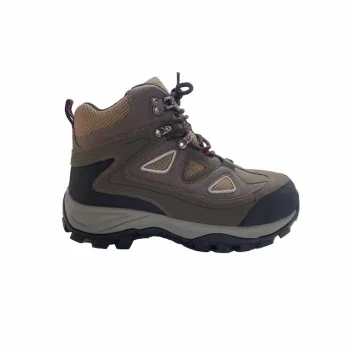
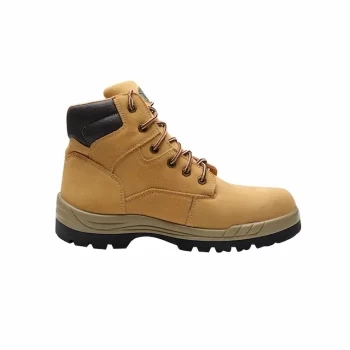
Outdoor Shoes & Boots
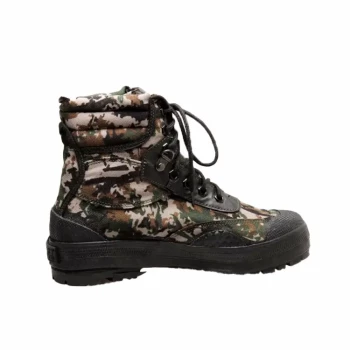
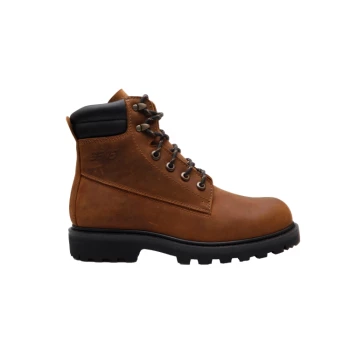
Dress & Formal Shoes
Products

Heavy-Duty Waterproof Nubuck Safety Boots Safety Shoes for Bulk Supply
Item Number: RF-A2514
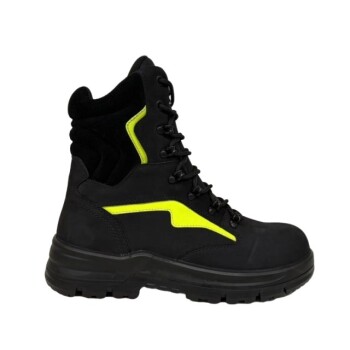
Premium Waterproof Nubuck Safety Boots for Wholesale
Item Number: RF-A2515
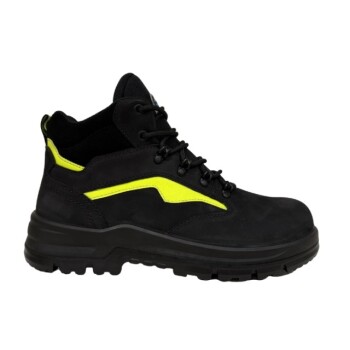
Wholesale Premium Waterproof Nubuck Safety Shoes Boots
Item Number: RF-A2516

Premium Lightweight Safety Shoes for Wholesale & Bulk Orders
Item Number: RF-A2517

Premium Suede Sport Safety Shoes for Wholesale & Bulk Orders
Item Number: RF-A2518

Premium Grain Leather Safety Boots for Bulk Supply
Item Number: RF-A2519
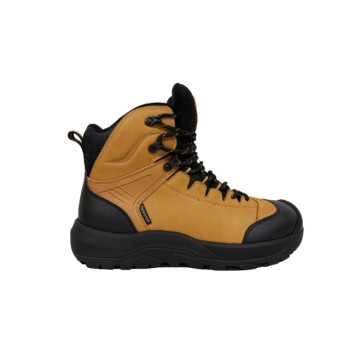
Premium Insulated Safety Boots and Shoes for Wholesale & Bulk Orders
Item Number: RF-A2520

Premium Wholesale Tactical Style Safety Shoes Boots with Quick Lacing
Item Number: RF-A2521
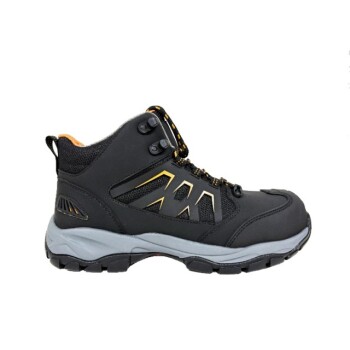
Premium Sport Style Safety Boots for Bulk Orders
Item Number: RF-A2522
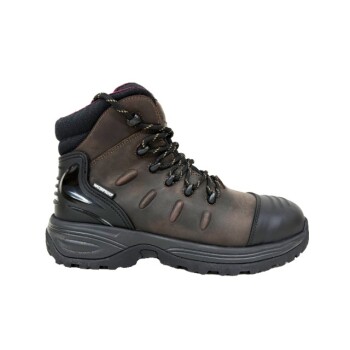
Premium Oil Wax Leather Safety Boots for Bulk Purchase
Item Number: RF-A2523
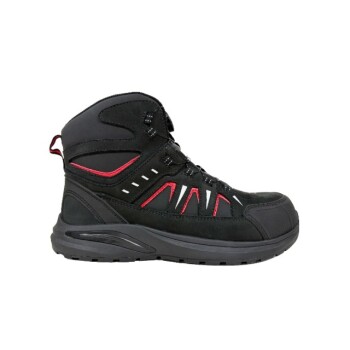
Heavy Duty Nubuck Safety Boots Safety Shoes for Global Distribution
Item Number: RF-A2524

Factory Direct Wholesale Leather Comfort Shoes with Dial Closure
Item Number: DF-8009

Wholesale Smart Casual Sneakers with Dial Closure | Factory Direct Manufacturing
Item Number: DF-8100

Durable Leather Moc Toe Work Boots for Wholesale & Custom Manufacturing
Item Number: ODW-1570

Wholesale Durable 6-Inch Work Boots | Custom & Private Label Manufacturer
Item Number: ODW-1571


Premium KPU Athletic Safety Shoes for Wholesale
Item Number: RF-A2511

Premium Wheat Nubuck Safety Shoes for Bulk Distribution
Item Number: RF-A2512

Wholesale Mesh Steel Toe Safety Shoes with Dial Closure Factory Production
Item Number: RF-404D

Durable Leather Work Boots Wholesale Manufacturer & Custom Factory
Item Number: ODW-1572


Puncture-Resistant Velcro Safety Boots for Wholesale & Custom Manufacturing
Item Number: RF-53-2

Wholesale Durable Breathable Safety Boots Custom OEM Manufacturer
Item Number: RF-53D
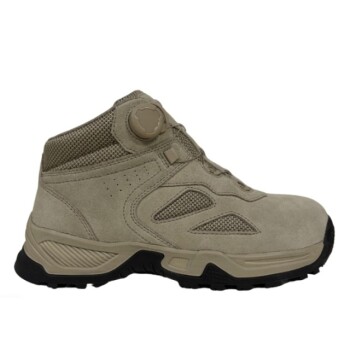
Premium Wholesale Wheat Nubuck Safety Boot with Rapid Lacing System
Item Number: RF-A2510
REQUEST A QUOTE
Our professional team will reply to you within one business day. Please feel free to contact us!
Related Articles
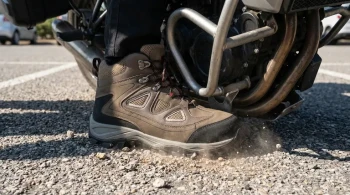
Anatomy of a Fall: The Physics Your Motorcycle Boots Must Defy
Motorcycle boots are not footwear; they are armor engineered to defy the torsional and impact forces that cause life-altering ankle injuries.
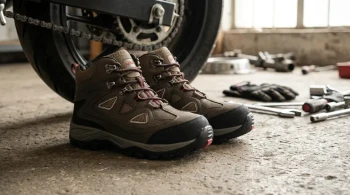
Anatomy of a Fall: The Physics That Make Motorcycle Boots Non-Negotiable
Motorcycle boots are not just footwear; they are engineered systems designed to counter the specific physics of impact, abrasion, and torsion in a crash.
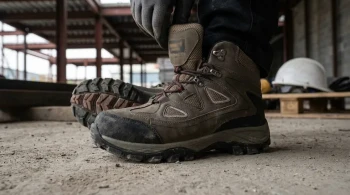
The Grammar of Safety: How to Decode ASTM F2413-18 and Prevent Catastrophic Footwear Mismatches
Learn to decode ASTM F2413-18 labels for safety footwear. Understand the critical difference between I/75, C/75, EH, PR, and SD ratings.
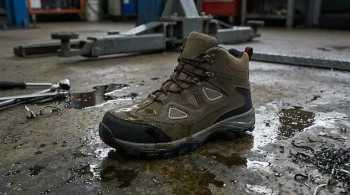
More Than Rubber and Steel: The Hidden Engineering of a Trustworthy Safety Boot
Explore the rigorous science behind oil-resistant safety boots. A deep dive into the tests that ensure structural integrity and chemical resilience.
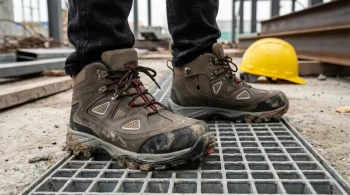
Compliance Is the Floor: A Systems Approach to Safety Footwear
True worksite safety goes beyond compliance. Learn how a risk-first, human-centered approach to selecting footwear prevents accidents.
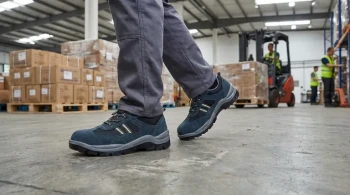
The Cumulative Cost of Concrete: How Safety Shoes Engineer Endurance
Safety shoes do more than prevent injuries; they are ergonomic systems that reduce cognitive load and boost worker endurance on hard surfaces.
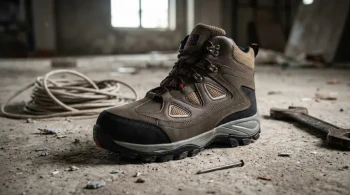
Beyond the Steel Toe: Decoding the Hidden Safety Language of ASTM F2413
Learn to read the ASTM F2413 label on your work boots. Understand I/75, C/75, EH, and PR ratings to avoid a false sense of security on the job.
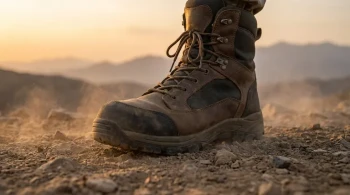
Protection is a Choice: Deconstructing the Engineering Trade-offs in Military Boot Safety Toes
Choosing a military boot safety toe isn't about 'best,' but balancing certified hazard protection against the operational demands of weight, agility, and climate.

The Cold Truth: Rethinking the 'Safety' Toe in Hunting Boot Design
Steel toes are a liability in the wild. Discover why forgoing them for comfort and warmth is the superior engineering choice for hunting boots.
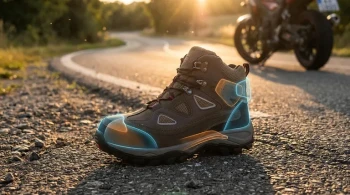
An Anatomy of Protection: Why Your Sneakers Are a Liability on Two Wheels
Motorcycle boots are engineered systems designed to counter crash physics—impact, abrasion, and torsion—that casual footwear simply cannot withstand.
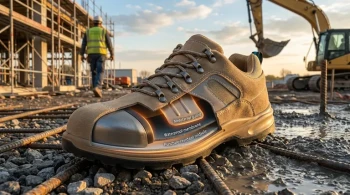
The Unseen Architecture of Safety: A Work Boot Is More Than a Steel Toe
Explore the hidden engineering in work boots, from EH ratings to puncture resistance, and learn why the right features always trump more features.
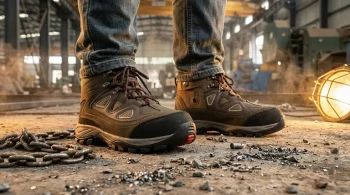
Beyond the Steel Toe: The System That Protects Your Feet
OSHA mandates when to use safety footwear, but ASTM standards define what makes it safe. Understanding this system is key to true compliance.
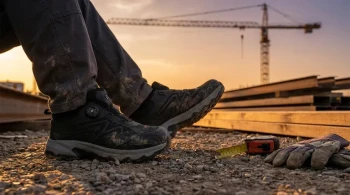
The Unseen Load: How Safety Toe Material Science Redefines a Worker's Day
Choosing a safety toe isn't about strength—it's about matching material science (steel, composite, alloy) to specific hazards and human factors.
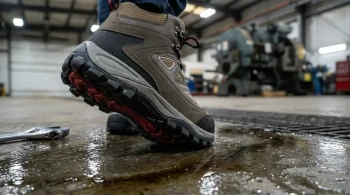
More Than Material: The Physics and Psychology of Oil-Resistant Soles
Choosing an oil-resistant boot sole isn't about one material, but the trade-offs between grip (Rubber), durability (TPU), and comfort (EVA).
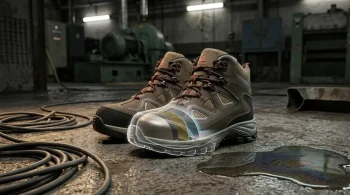
Beyond Waterproof: The Hidden Engineering in Modern Safety Boots
Modern rubber & PVC boots are more than waterproof. Learn the specialized engineering—from EH ratings to chemical resistance—that defines true safety.
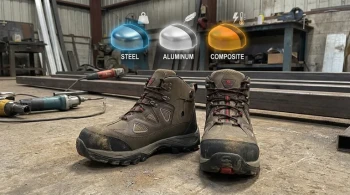
Beyond Impact: A Systems Approach to Selecting Safety Boot Toes
Choosing a safety toe isn't just steel vs. composite; it's a trade-off analysis of weight, conductivity, and environment for optimal safety.
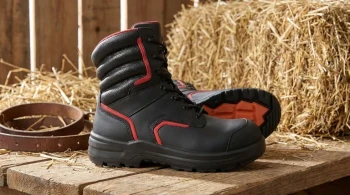
Beyond Armor: The Biomechanical and Psychological Role of the Modern Horse Boot
Horse boots do more than protect; they support ligaments and enhance proprioception. Their effectiveness hinges on a perfect fit and material choice.
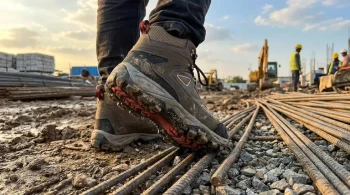
Beyond Compliance: The Engineering and Psychology of Construction Footwear
Construction safety footwear is more than a checklist item. It's a critical system designed to manage kinetic energy, punctures, and cognitive failure.
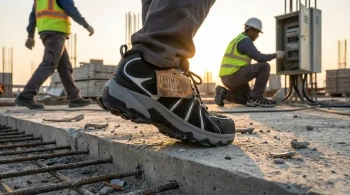
Beyond the Steel Toe: Decoding the Hidden Logic of ASTM F2413 for Workplace Safety
ASTM F2413 codes on safety shoes are a critical language for hazard protection. Misunderstanding them creates a dangerous illusion of safety.
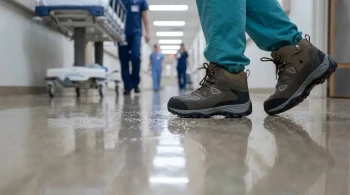
The Calculus of a Single Step: Why Hospital Footwear Is a Critical System, Not an Accessory
Hospital hazards like sharps, spills, and impacts demand engineered safety footwear. Understand the critical difference between comfort and certified protection.