The Moment of Truth
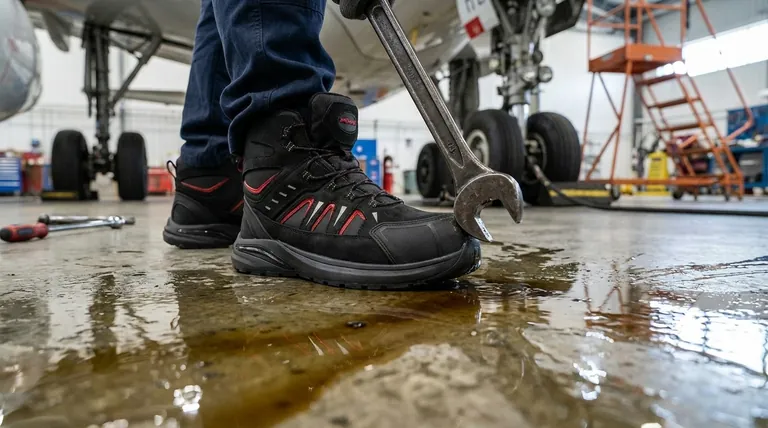
Picture an aircraft maintenance hangar. The floor is a polished concrete canvas, perpetually slick with hydraulic fluid and lubricants. A technician leans over a multi-ton landing gear assembly when a heavy wrench slips from a platform above.
For a fraction of a second, physics is the only thing that matters.
We tend to focus on the most obvious piece of protection in that scenario: the steel toe cap. But its success or failure was determined long before that moment—not just by the strength of the metal, but by the integrity of the materials surrounding it. The boot is a system, and in harsh environments, systems fail at their weakest link.
A Tale of Two Threats
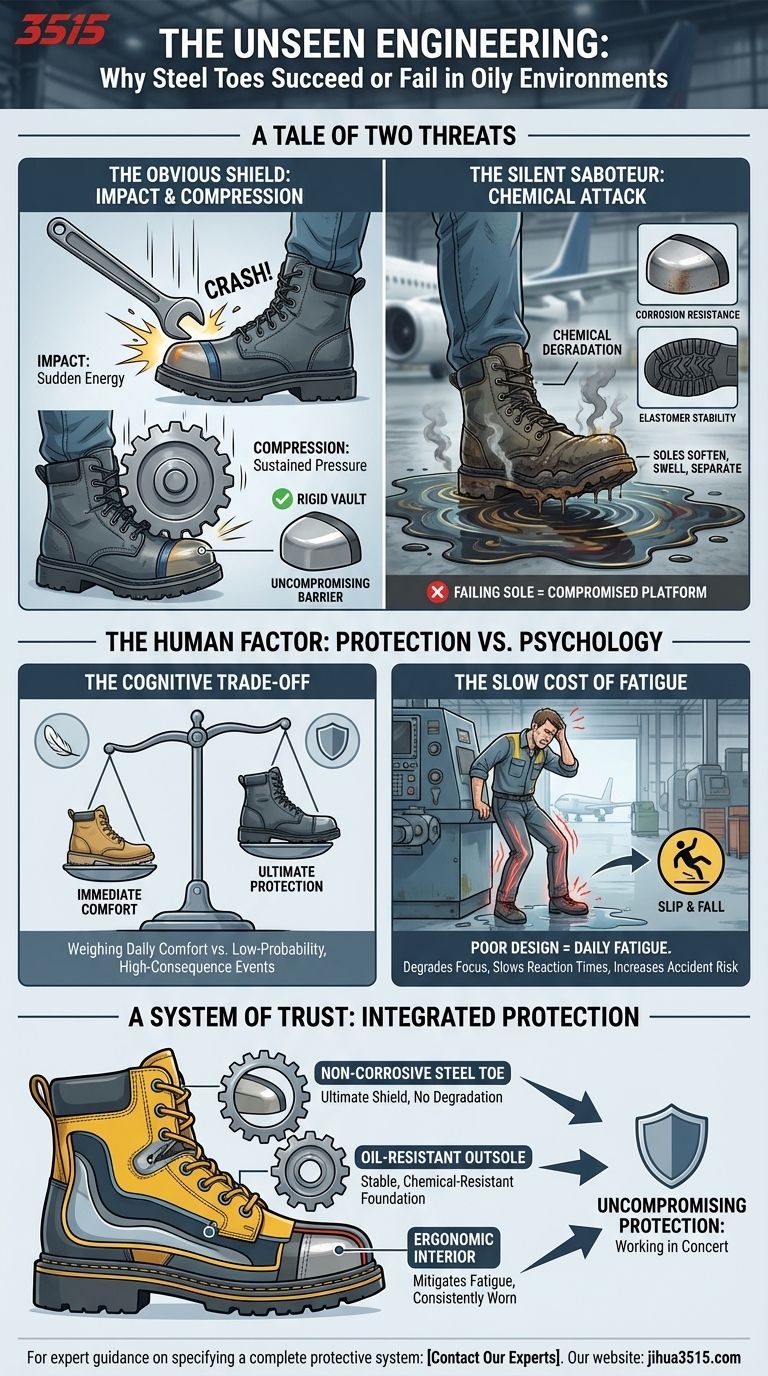
In industrial settings involving oils and chemicals, safety footwear faces a two-front war. There is the immediate, kinetic threat of impact and the slow, insidious threat of chemical degradation.
The Obvious Shield: Impact and Compression
The primary function of a steel toe is clear: to be an uncompromising barrier. It’s designed to withstand immense force from two distinct events:
- Impact: The sudden energy of a falling object.
- Compression: The sustained, crushing pressure from rolling machinery or a pinned foot.
The steel cap acts as a rigid vault for the toes, ensuring the space doesn't collapse under loads that would be catastrophic to human bone. This is its explicit promise.
The Silent Saboteur: Chemical Attack
The less obvious threat is the environment itself. Oils and industrial chemicals are solvents. Over time, they break down standard rubber and adhesives, causing soles to soften, swell, and separate.
This is where the "unseen engineering" becomes critical.
-
Corrosion Resistance: The steel itself must be non-corrosive. If moisture and chemicals seep into the boot's upper, a standard steel cap would rust. A compromised, rusted cap can fail unpredictably under load. The integrity of the metal must be absolute.
-
Elastomer Stability: The "oil-resistant" designation isn't just about grip. It refers to specialized elastomers used in the outsole that maintain their structural integrity when exposed to hydrocarbons, even at elevated temperatures. If the sole warps or dissolves, the entire platform supporting the steel toe is compromised, rendering it ineffective.
A steel toe in a failing sole is like a fortress built on quicksand.
The Human Factor: Protection vs. Psychology
A perfectly engineered boot is useless if no one wants to wear it. The design of safety footwear is a constant negotiation between absolute protection and the realities of human behavior.
The Cognitive Trade-Off
Workers are often presented with choices: steel toe, aluminum toe, or composite toe. While steel offers the highest level of compression resistance, it's also the heaviest.
The human mind often defaults to optimizing for immediate comfort (a lighter boot) rather than protecting against a low-probability, high-consequence event. We subconsciously weigh the certainty of all-day heaviness against the uncertainty of a serious accident. For roles involving heavy rolling equipment or the risk of falling industrial parts, however, this trade-off is an illusion; the protection offered by steel is non-negotiable.
The Slow Cost of Fatigue
Even with the right choice, poor design can lead to failure. The rigidity of a steel toe is a fixed variable. If the rest of the boot—the footbed, the ankle support, the interior cushioning—doesn't compensate for it, the result is daily fatigue.
Fatigue is more than discomfort. It degrades focus, slows reaction times, and can lead to other types of accidents, like slips and falls. The most effective safety boot is one that protects from the obvious hazard without creating a new, subtle one.
A System of Trust
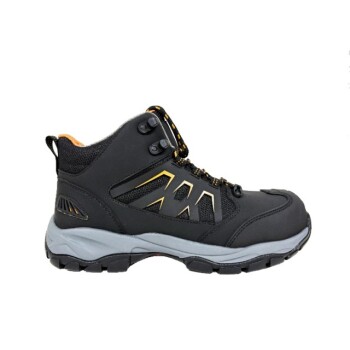
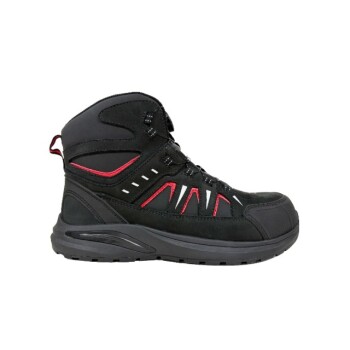
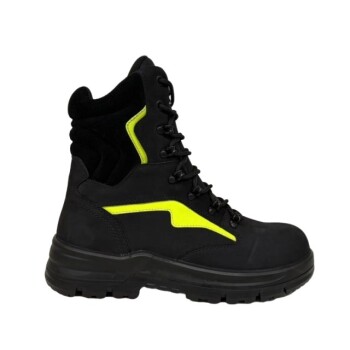
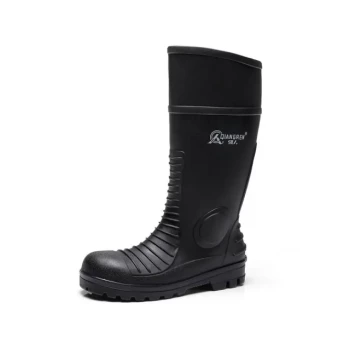
A reliable safety boot isn't a list of features; it's an integrated protective system where every component supports the others. The choice of materials and construction reflects a deep understanding of the environment it will face.
| Component | Strategic Role |
|---|---|
| Non-Corrosive Steel Toe | Provides the ultimate, non-degrading shield against impact and compression. |
| Oil-Resistant Outsole | Forms a stable, chemical-resistant foundation that won't fail under exposure. |
| Ergonomic Interior | Mitigates fatigue, ensuring the boot is worn consistently and correctly. |
For large-scale distributors, brand owners, and industrial clients, sourcing footwear is about more than just meeting a safety spec. It's about procuring a reliable system. As a dedicated manufacturer, 3515 builds footwear with this philosophy, ensuring that every pair, from the steel in the toe to the elastomers in the sole, works in concert to offer uncompromising protection.
Choosing the right safety footwear requires thinking beyond the toe cap. It demands an appreciation for the subtle interplay between materials science, engineering, and human psychology.
For expert guidance on specifying a complete protective system for your team's unique hazards, Contact Our Experts
Visual Guide
Related Products
- Durable Steel Toe Safety Boots Wholesale & Custom Manufacturing
- Puncture-Resistant Velcro Safety Boots for Wholesale & Custom Manufacturing
- Wholesale Durable Breathable Safety Boots Custom OEM Manufacturer
- Premium Sport Style Safety Boots for Bulk Orders
- Wholesale Durable Safety Boots Manufacturer Customizable Steel Toe Work Boots
Related Articles
- How to Choose Between Steel and Composite Toe Boots for Workplace Safety
- How Modern Steel Toe Boots Combine Safety with All-Day Comfort
- How to Choose Between Steel and Composite Toe Boots for Maximum Safety
- How Steel Toe Boots Meet Industry Safety Standards and Reduce Workplace Injuries
- Steel Toe Boots Decoded: When Maximum Workplace Protection Matters Most