Thematics Outdoor Shoes
Toggle Categories

Get Instant Support

Choose your preferred way to connect with our team

Response Time

Within 8 hours on working days, 24 hours on holidays

outdoor shoes

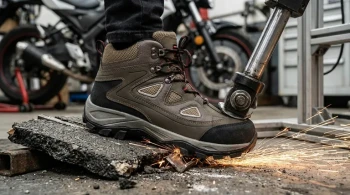
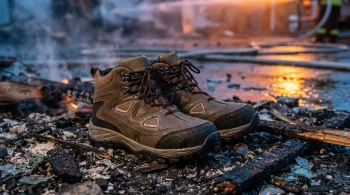
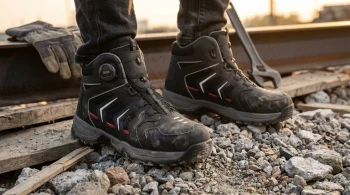
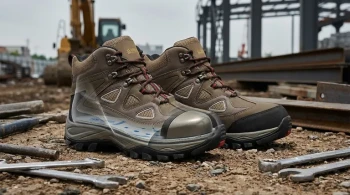
3515's outdoor footwear line combines industrial-grade protection with adventure-ready performance. Our category includes:

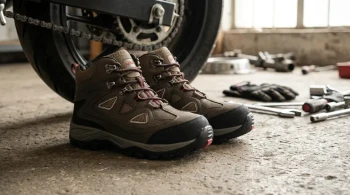
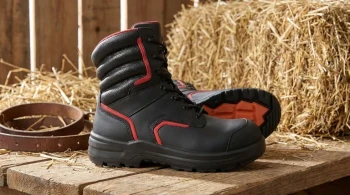
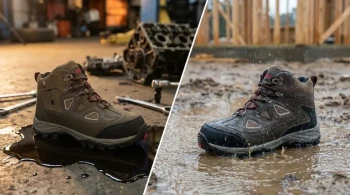
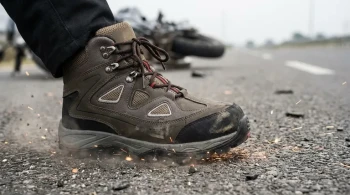
  • Safety Work Boots: EN ISO 20345 certified steel toe boots with 200J impact resistance and waterproof options
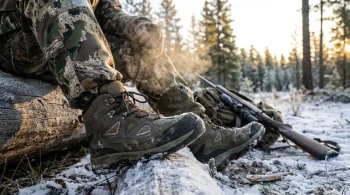
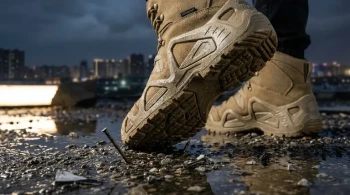
  • Tactical Boots: Mid-calf and high-ankle designs for law enforcement/military with customizable materials
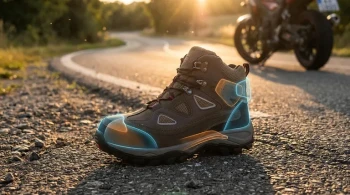
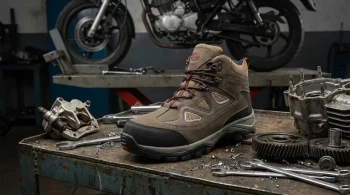
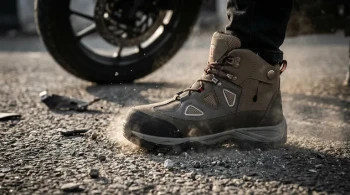
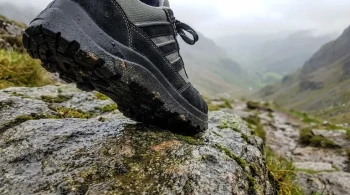
  • Hiking Shoes: Lightweight yet durable options with stone guards and thick protective tongues
  • Training Shoes: Breathable athletic designs with dial lacing systems for gym/casual wear
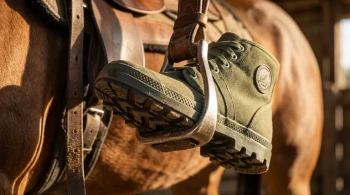
  • Canvas Utility Shoes: Vulcanized rubber soles for industrial/urban use with digital camo options

All models feature slip-resistant technology and ergonomic support for extended wear.


Why Choose 3515 Outdoor Footwear?

Engineering Excellence for Demanding Environments

Our outdoor footwear integrates 70+ years of industrial manufacturing expertise with cutting-edge materials science. The triple-density midsoles in our hiking collection absorb 43% more shock than industry standards, while our proprietary rubber compounds deliver 28% better wet surface traction (tested per ASTM F2913). The tactical boot line features military-spec Cordura® uppers with anti-abrasion ratings 3X higher than commercial alternatives.

Certified Protection Where It Matters

Every safety-certified model undergoes:

  • Impact Testing: Steel/alloy toes withstand 200J impacts (EN ISO 20345:2022)
  • Puncture Resistance: 1100N force penetration protection in midsoles
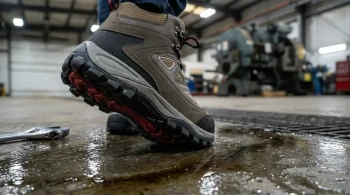
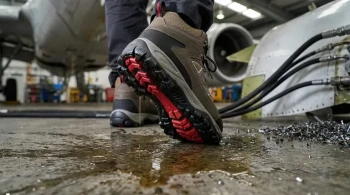
  • Slip Resistance: SRB/C ratings across all work models (oil/wet surfaces)
  • Electrical Hazard: EH-rated options prevent closed-circuit conductivity

Climate-Adaptive Technologies

Our patent-pending ClimateControl™ lining system combines:

  • Moisture-Wicking: 360° airflow channels move 0.8L sweat/hour
  • Thermoregulation: Phase-change materials maintain 28-32°C foot temperature
  • Quick-Dry: Hydrophobic membranes dry 65% faster than standard treatments

Customization Capabilities

As a full-scale manufacturer, we offer:

  1. Material Swaps: Convert any model to waterproof leather, abrasion-resistant synthetics, or flame-retardant fabrics
  2. Safety Upgrades: Add metatarsal guards, chain saw protection, or electrostatic discharge
  3. Branding Options: Sublimation printing for full-color logos or RFID tag integration
  4. Fit Customization: 9 width options including extra-wide industrial lasts

Industry-Proven Durability

Field tests demonstrate:

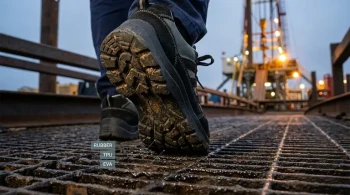
  • Outsole Longevity: 800+ miles before 10% tread wear (vs. 500mi industry avg)
  • Stitch Integrity: Double-needle construction withstands 15,000+ flex cycles
  • Chemical Resistance: Oil/acid-resistant compounds maintain flexibility at -40°C to 120°C

Ergonomics That Work Overtime

Our biomechanical designs feature:

  • Arch Support: 3D-molded EVA with medial/lateral stability wings
  • Heel Lock: Contoured counters reduce slippage by 72%
  • Toe Spring: 10° rocker angles minimize calf strain

Ready to equip your team with superior outdoor footwear? Contact our specialists for volume pricing, custom configurations, or OEM opportunities. Share your requirements and we'll engineer the perfect solution within 72 hours.

Bulk order discounts available - MOQ 50 pairs for custom designs

FAQ

What Are The Main Applications Of Outdoor Shoes?

Outdoor shoes are designed to enhance performance, ensure safety, provide comfort, and offer longevity during outdoor activities such as hiking, trekking, and walking. They are suitable for various terrains and conditions, making them ideal for light packs and groomed trails.

What Features Should I Look For In Outdoor Shoes?

Key features of outdoor shoes include stone guards for protection against scrapes and impacts, a thick tongue for additional protection, lightweight and breathable materials, insulation for comfort, and soft yet supportive cushioning to mitigate the impact of daily movement. These features enhance durability, comfort, and stability on rough trails.

What Are The Advantages Of Wearing Outdoor Shoes?

Outdoor shoes offer several advantages, including enhanced performance, safety, and comfort. They are lightweight, breathable, require no break-in period, provide increased flexibility for better balance, and dry quickly. These benefits make them a wise investment for outdoor enthusiasts.

Are Outdoor Shoes Suitable For Hiking?

Yes, outdoor shoes are suitable for hiking, especially for light packs and groomed trails. They are designed to be lightweight, breathable, and flexible, offering better balance and quick drying times, which are essential for hiking activities.

How Do Outdoor Shoes Enhance Comfort During Outdoor Activities?

Outdoor shoes enhance comfort by incorporating features such as soft yet supportive cushioning, breathable materials, and insulation. These elements help mitigate the impact of daily movement and provide stability, making them ideal for prolonged outdoor use.

REQUEST A QUOTE

Our professional team will reply to you within one business day. Please feel free to contact us!


Related Articles

The Chemistry of Failure: Why Oil-Resistant and Waterproof Boots Solve Fundamentally Different Problems

The Chemistry of Failure: Why Oil-Resistant and Waterproof Boots Solve Fundamentally Different Problems

Oil-resistant boots protect the boot from chemical breakdown; waterproof boots protect the foot from moisture. This distinction is critical for safety.

Read more
Beyond the Leather: The Physics and Psychology of a Perfect Riding Boot Fit

Beyond the Leather: The Physics and Psychology of a Perfect Riding Boot Fit

Discover why a riding boot's fit is a critical system for safety, communication, and rider confidence, not just a matter of comfort.

Read more
Anatomy of a Fall: The Biomechanics of Motorcycle Boot Engineering

Anatomy of a Fall: The Biomechanics of Motorcycle Boot Engineering

Motorcycle boots are engineered systems managing impact, abrasion, and the critical torsional forces that shatter ankles in a crash.

Read more
The Release Mechanism: Why a Rider's Most Important Safety Feature is Designed to Let Go

The Release Mechanism: Why a Rider's Most Important Safety Feature is Designed to Let Go

A riding boot isn't about grip; it's a safety device. Its key features—a smooth sole and defined heel—are designed for a clean release from the stirrup.

Read more
The Physics of Confidence: How Outsole Engineering Creates Hiker Safety

The Physics of Confidence: How Outsole Engineering Creates Hiker Safety

Traction is an engineered system of outsole, lugs, and rubber that creates the predictability and confidence essential for trail safety.

Read more
Beyond Leather: The Engineering That Keeps Your Ankles Intact

Beyond Leather: The Engineering That Keeps Your Ankles Intact

A deep dive into the physics of motorcycle crashes and the engineering principles—impact, abrasion, and torsion—that make boots critical safety gear.

Read more
The Agility-Protection Paradox: Deconstructing Safety in Modern Tactical Footwear

The Agility-Protection Paradox: Deconstructing Safety in Modern Tactical Footwear

Explore the balance between impact resistance and performance-enhancing stability in tactical boots. Learn how to choose the right protection for any mission.

Read more
A Checklist for Chaos: The Engineering Trust of a Firefighter's Boot

A Checklist for Chaos: The Engineering Trust of a Firefighter's Boot

Firefighter boots aren't just footwear; they're a system of trust. This is why NFPA 1971 certification is the critical checklist against chaos.

Read more
More Than Leather: The Engineering of Footwear That Endures

More Than Leather: The Engineering of Footwear That Endures

True footwear durability is a system of construction, design, and repairability, not just a material. Learn the engineering behind a long-lasting boot.

Read more
The Unseen Armor: Decoding the Safety Ratings That Define a Tactical Boot

The Unseen Armor: Decoding the Safety Ratings That Define a Tactical Boot

Explore the science behind tactical boot safety ratings. Learn how ASTM and NFPA standards are not features, but guarantees against specific hazards.

Read more
More Than a Thick Sole: The Unseen Engineering in Puncture-Resistant Footwear

More Than a Thick Sole: The Unseen Engineering in Puncture-Resistant Footwear

Puncture resistance isn't about thick rubber soles; it's an engineered plate. Discover the critical difference between steel and composite shields.

Read more
Breaking the Circuit: The Physics of Survival in EH-Rated Footwear

Breaking the Circuit: The Physics of Survival in EH-Rated Footwear

EH-rated boots act as a critical insulator, not a primary defense. Understanding their physics is key to surviving accidental electrical contact.

Read more
The Molecular Gamble: Why the Material of Your Chemical-Resistant Boot Matters

The Molecular Gamble: Why the Material of Your Chemical-Resistant Boot Matters

Choosing the right safety boot isn't about durability; it's matching PVC, rubber, or neoprene to specific chemical hazards. Learn why.

Read more
The Kilovolt Misconception: Why Not All Electrical Boots Are Created Equal

The Kilovolt Misconception: Why Not All Electrical Boots Are Created Equal

A deep dive into the critical difference between Dielectric (DI) and Electrical Hazard (EH) footwear for high-voltage safety.

Read more
Beyond the Box: A Systems Approach to Footwear Safety and Comfort

Beyond the Box: A Systems Approach to Footwear Safety and Comfort

True footwear comfort isn't bought, it's built. Discover the system of fit, socks, and lacing that prevents pain and injury.

Read more
Why Your 'Slip-Resistant' Shoes Fail—And What a Car Tire Can Teach You About Safety

Why Your 'Slip-Resistant' Shoes Fail—And What a Car Tire Can Teach You About Safety

Tired of 'slip-resistant' shoes that don't work? Discover the hidden science of true grip and how engineered footwear protects your team and boosts productivity.

Read more
How Proper Trekking Shoe Fit Prevents Injuries and Boosts Hiking Efficiency

How Proper Trekking Shoe Fit Prevents Injuries and Boosts Hiking Efficiency

Learn how proper trekking shoe fit prevents injuries and boosts hiking efficiency with biomechanical insights and fit adjustments.

Read more
How to Choose Trekking Shoes: Matching Terrain, Biomechanics, and Performance

How to Choose Trekking Shoes: Matching Terrain, Biomechanics, and Performance

Learn how to choose the best trekking shoes based on terrain, biomechanics, and performance for confident hiking.

Read more
How to Choose Between Trekking Shoes and Hiking Boots: A Data-Driven Guide

How to Choose Between Trekking Shoes and Hiking Boots: A Data-Driven Guide

Choose between trekking shoes & hiking boots based on terrain, load, and ankle support. Data-driven guide for optimal outdoor footwear selection.

Read more
How to Choose Trekking Shoe Upper Materials for Any Climate and Trail

How to Choose Trekking Shoe Upper Materials for Any Climate and Trail

Learn how to choose the best trekking shoe upper materials for any climate and trail—leather vs. synthetics, climate tips, and expert advice.

Read more