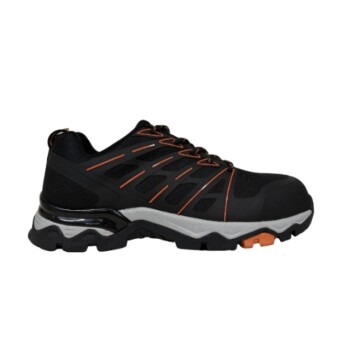
Professional safety shoes in shipyards provide a multi-layered defense system designed to withstand extreme industrial risks. Their primary protective features include high-strength steel toes to resist impact from heavy falling objects, puncture-resistant midsoles to block sharp metal debris, and specialized soles engineered to handle high temperatures, electrical hazards, and slippery surfaces.
Professional safety shoes in shipyard environments are not just footwear; they are a critical physical barrier that integrates impact resistance, thermal shielding, and electrical safety to protect workers during complex tasks like welding, cutting, and heavy assembly.
Defense Against Physical Trauma
The Role of the Steel Toe
In an environment dominated by heavy machinery and metal assembly, the risk of crushing injuries is high. High-strength steel toes serve as the primary shield against these hazards. They are engineered to absorb and deflect the impact of falling steel plates, tools, or heavy machinery parts, preventing catastrophic foot injuries.
Barrier Against Sharp Debris
Shipyard floors are frequently covered in hazardous remnants from construction tasks. Puncture-resistant midsoles are essential for workers moving across areas littered with sharp metal scraps, nails, or glass. This layer prevents sharp objects from piercing the bottom of the shoe and penetrating the foot.
Managing Environmental and Thermal Risks
High-Temperature Resistance
Welding and cutting operations generate significant heat, sparks, and hot slag. Professional safety shoes utilize high-temperature resistant soles and upper materials. This construction ensures the footwear maintains its structural integrity and protects the worker's skin even when exposed to welding sparks or hot metal surfaces.
Electrical Hazard Protection
Shipyards are complex environments containing both high-voltage equipment and conductive, wet metal surfaces. Depending on the specific requirement, shoes may feature anti-static properties to prevent static discharge or electrical insulation to block current circuits. This reduces the risk of electrocution in electrically complex hull construction zones.
Stability and Chemical Defense
Slip and Oil Resistance
The combination of wet conditions and industrial fluids creates dangerous walking surfaces. Slip-resistant outsoles with specialized textures are critical for maintaining traction. These soles are often oil-resistant, preventing degradation when in contact with petroleum derivatives and ensuring stability on slick decks.
Protection Against Hazardous Substances
Shipyards often involve exposure to hazardous chemicals or dusts. The dense, robust materials of these shoes act as a barrier against toxic chemicals like benzene and harmful particulates like asbestos fibers. This prevents these substances from contacting the skin or being transported to non-work areas.
Understanding the Trade-offs
Weight vs. Agility
The integration of steel toes and puncture-resistant plates significantly increases the weight of the footwear. While this maximizes protection, the added mass can increase fatigue during long shifts involving extensive walking or climbing compared to lighter, non-protective options.
Durability vs. Breathability
To effectively block chemicals, water, and heat, safety shoes often use dense, non-porous materials. A common trade-off is reduced breathability, which can lead to heat retention and moisture buildup inside the shoe, particularly in hot climates or enclosed spaces.
Making the Right Choice for Your Goal
Selecting the correct safety footwear depends on your specific role within the shipyard environment.
- If your primary focus is heavy assembly or hull construction: Prioritize shoes with high-strength steel toes and metatarsal guards to offer maximum protection against falling plates and crushing loads.
- If your primary focus is welding or cutting operations: Look for footwear with high-temperature resistant soles and leather uppers that can withstand sparks and molten slag without melting.
- If your primary focus is electrical maintenance: Ensure your footwear is rated for electrical hazard (EH) protection or provides high insulation resistance to block electrical currents in wet environments.
By matching the specific protective features to the hazards of your daily tasks, you ensure that your safety equipment acts as an effective enabler of your work rather than a hindrance.
Summary Table:
| Protection Feature | Hazard Addressed | Benefit in Shipyard |
|---|---|---|
| High-Strength Steel Toes | Falling heavy plates/machinery | Prevents crushing injuries |
| Puncture-Resistant Midsoles | Metal scraps, nails, sharp debris | Blocks sole penetration |
| Heat-Resistant Soles | Welding sparks and hot slag | Maintains structural integrity |
| Electrical Hazard (EH) Rating | High-voltage equipment, wet hulls | Prevents electrocution/static discharge |
| Slip & Oil Resistant Outsoles | Wet decks and petroleum fluids | Ensures stability and traction |
Secure Your Shipyard Operations with 3515
As a large-scale manufacturer serving global distributors and brand owners, 3515 offers professional-grade protection tailored for the most demanding industrial environments. Our flagship Safety Shoes series is engineered to meet rigorous international standards, providing your workforce with the ultimate defense against shipyard hazards.
Why partner with 3515?
- Comprehensive Footwear Portfolio: From heavy-duty work and tactical boots to specialized outdoor and training shoes.
- Massive Production Capacity: We fulfill bulk requirements for Safety, Dress, and Formal shoes with consistent quality.
- Expert Engineering: Advanced heat resistance, puncture protection, and slip-resistant technologies.
Ready to elevate your product range or equip your team with the best? Contact us today to discuss your bulk manufacturing needs!
References
- Hugo Nainggolan, Hendra Hendra. EVALUASI PENERAPAN SISTEM MANAJEMEN KESELAMATAN DAN KESEHATAN KERJA (K3) PADA INDUSTRI GALANGAN KAPAL KECIL DI INDONESIA. DOI: 10.31004/jkt.v4i4.16083
This article is also based on technical information from 3515 Knowledge Base .
Related Products
- Premium Suede Sport Safety Shoes for Wholesale & Bulk Orders
- Premium Lightweight Safety Shoes for Wholesale & Bulk Orders
- Wholesale Anti-Smash & Puncture-Proof Safety Shoes Custom Manufacturing for Brands
- Premium KPU Injection Athletic Style Safety Shoes
- Premium Safety Shoes with Rotating Buckle Safety Sneakers
People Also Ask
- What are the primary functions of professional safety shoes? Maximize Safety in Water Supply Confined Spaces
- What industries have specific OSHA footwear requirements? Ensure Compliance & Protect Your Workforce
- What role do specialized safety shoes play in preventing falls? Engineering Stability in Industrial Environments
- Why is barefoot walking used as a baseline in gait safety research? Unlocking Natural Biomechanics for Shoe Design
- What are the main safety features of S1-S5 shoes? The 3 Essential Protections Explained