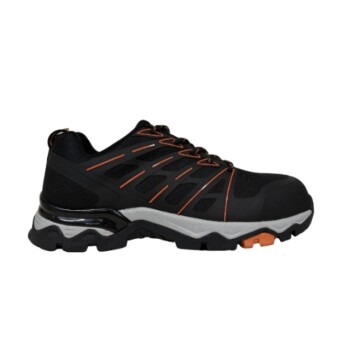
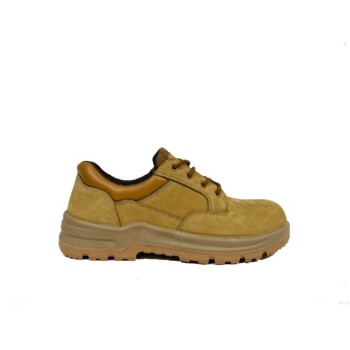
The Active Movement Extent Discrimination Assessment (AMEDA) functions as a critical objective tool for evaluating the relationship between footwear design and ankle stability. By quantifying proprioception scores across different footwear types—such as safety boots, training shoes, and sneakers—researchers can precisely determine how specific construction elements enhance or impair the wearer's sensory feedback.
AMEDA moves footwear testing beyond subjective comfort to objective biomechanics, allowing developers to optimize specific features like sole hardness and collar height to maximize ankle stability and safety.
The Role of AMEDA in Biomechanical Design
Objective Stability Analysis
The primary utility of AMEDA in research and development is its ability to provide measurable data regarding ankle proprioception. Rather than relying solely on wearer surveys, developers use AMEDA to generate scores that reflect how well the foot detects movement while inside the shoe.
Comparative Testing
R&D teams utilize this assessment to conduct comparative studies between diverse footwear categories. By benchmarking a prototype safety boot against a standard sneaker or training shoe, engineers can isolate how the added bulk or rigidity of specialized footwear impacts the foot's natural sensory mechanisms.
Key Design Variables Evaluated
Sole Hardness
AMEDA is specifically used to assess how the density and rigidity of the sole influence sensory input. The data reveals whether a harder sole dampens the proprioceptive feedback necessary for balance, allowing designers to adjust materials to maintain protection without sacrificing sensitivity.
Foot-Wrapping Capabilities
The assessment evaluates the effectiveness of the shoe's upper construction and lacing systems. High proprioception scores indicate that the foot-wrapping design successfully integrates the shoe with the foot, enhancing the wearer's awareness of joint position.
Collar Height Configuration
Developers use AMEDA to settle debates regarding the optimal height for ankle support. By comparing low-cut versus high-collar designs, the test identifies exactly how collar height interacts with the ankle to provide sensory cues that prevent rolling or spraining.
Understanding the Trade-offs
Protection vs. Sensation
A critical insight utilized during R&D is the balance between physical protection and sensory acuity. While a thick, rigid boot offers external protection, AMEDA often reveals it may reduce proprioceptive sensitivity.
Interpreting the Data
It is vital to remember that AMEDA measures movement discrimination (sensitivity), not mechanical support strength. A shoe that scores highly on AMEDA allows for excellent movement detection, but this data must be combined with mechanical stress tests to ensure the shoe can also physically withstand impact.
Optimizing Footwear Development
Based on AMEDA findings, developers can tailor footwear to specific end-user requirements.
- If your primary focus is Injury Prevention: Prioritize foot-wrapping capabilities and collar height to ensure the shoe enhances the wearer's ability to detect and react to ankle instability.
- If your primary focus is Athletic Performance: Optimize sole hardness to ensure the athlete retains maximum ground feel and proprioceptive feedback without losing necessary traction.
By leveraging AMEDA data, manufacturers transform footwear from simple protective gear into precision tools that actively support human biomechanics.
Summary Table:
| Design Feature | AMEDA Evaluation Focus | Impact on Performance |
|---|---|---|
| Sole Hardness | Sensory input dampening | Affects balance and ground feel |
| Foot-Wrapping | Integration of shoe & foot | Enhances joint position awareness |
| Collar Height | Sensory cues for stability | Prevents ankle rolling and sprains |
| Material Rigidity | Proprioceptive sensitivity | Balances protection with movement detection |
Partner with 3515 for Precision-Engineered Footwear Solutions
At 3515, we bridge the gap between advanced biomechanical research and large-scale manufacturing. As a premier manufacturer serving global distributors and brand owners, we utilize data-driven insights to produce footwear that balances rigorous protection with optimal human performance.
Whether you need high-performance Safety Shoes, tactical boots, or specialized training sneakers, our comprehensive production capabilities ensure your bulk requirements meet the highest standards of stability and durability.
Ready to elevate your product line with industry-leading expertise?
Contact Us Today to Discuss Your Bulk Requirements
References
- Li Pan, Yulian Zhu. Assessing bilateral ankle proprioceptive acuity in stroke survivors: An exploratory study. DOI: 10.3389/fneur.2022.929310
This article is also based on technical information from 3515 Knowledge Base .
Related Products
- Premium Suede Sport Safety Shoes for Wholesale & Bulk Orders
- Premium Lightweight Safety Shoes for Wholesale & Bulk Orders
- Wholesale Anti-Smash & Puncture-Proof Safety Shoes Custom Manufacturing for Brands
- Premium KPU Injection Athletic Style Safety Shoes
- Premium Safety Shoes with Rotating Buckle Safety Sneakers
People Also Ask
- What industries have specific OSHA footwear requirements? Ensure Compliance & Protect Your Workforce
- What are the primary functions of professional safety shoes? Maximize Safety in Water Supply Confined Spaces
- What role do specialized safety shoes play in preventing falls? Engineering Stability in Industrial Environments
- How do I choose the best safety shoes? Match Certified Features to Your Hazards
- Why is barefoot walking used as a baseline in gait safety research? Unlocking Natural Biomechanics for Shoe Design