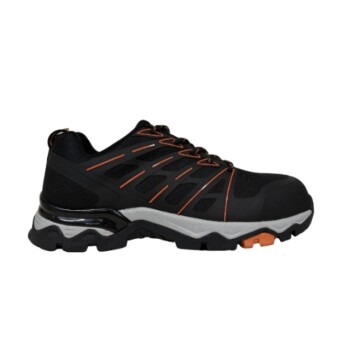
Professional safety shoes serve as the fundamental barrier between a worker's feet and the multifaceted hazards of industrial environments like oil processing. Their primary protective functions are to prevent traumatic physical injuries from heavy falling objects, crushing forces, and sharp punctures, while simultaneously securing the worker's stability against slips on oily, complex surfaces through specialized chemical-resistant materials.
High-risk industrial environments demand footwear that functions as a component of a comprehensive personal protection system. The core value of professional safety shoes lies in their ability to combine physical impact defense with environmental resistance, ensuring worker stability and health even when exposed to hazardous liquids and unstable terrain.
Physical Impact and Injury Prevention
Protection Against Crushing Forces
In heavy industry, the risk of machinery or heavy materials falling is constant. Professional safety shoes are engineered with reinforced toe caps designed to withstand significant impact. This structural feature is the primary defense against crushing injuries that could otherwise permanently disable a worker.
Defense Against Punctures
Industrial floors are often littered with sharp debris, such as metal shavings, glass, or nails. Safety shoes utilize puncture-resistant midsoles to create a robust shield underfoot. This layer prevents sharp objects from penetrating the sole and injuring the soft tissue of the foot.
Resilience in Complex Environments
Beyond distinct impact events, the overall construction of these shoes provides a physical barrier against general trauma. Whether navigating construction debris or moving through tight machinery spaces, the shoe's rugged exterior protects the foot from cuts, abrasions, and bruising.
Stability and Chemical Defense
Slip Resistance on Oily Surfaces
Falls are a leading cause of industrial accidents, particularly in oil processing where floors are slick. Safety shoes feature specialized anti-slip outsoles specifically designed to maintain traction on oily or wet surfaces. This ensures walking stability and prevents the sudden loss of balance that leads to severe musculoskeletal injuries.
Chemical Impermeability
In environments dealing with petroleum and chemicals, liquids on the floor are not just slip hazards; they are toxic. These shoes use chemical-resistant materials to prevent hazardous fluids, such as benzene or petroleum derivatives, from penetrating the footwear. This prevents the skin from absorbing toxic substances, protecting the worker's long-term occupational health.
Understanding the Trade-offs
While safety shoes offer critical protection, they introduce specific challenges that must be managed. The robust construction required for impact and puncture resistance often results in increased weight and rigidity, which can lead to leg and foot fatigue during long shifts.
Furthermore, the materials required for chemical resistance and waterproofing can reduce breathability. In hot environments, this may lead to discomfort or moisture buildup inside the shoe. While many modern designs incorporate ergonomic support to mitigate these issues, the balance between maximum protection and long-term comfort remains a key consideration for safety managers.
Making the Right Choice for Your Goal
Selecting the correct safety footwear requires matching the specific protective function to the dominant hazards of your workspace.
- If your primary focus is mechanical safety: Prioritize shoes with reinforced toe caps and puncture-resistant midsoles to guard against heavy falling objects and sharp floor debris.
- If your primary focus is chemical processing: Select footwear with certified chemical-resistant uppers and specialized anti-slip soles to prevent toxic exposure and falls on oily surfaces.
Ultimately, the right safety shoe does more than prevent accidents; it ensures the long-term occupational health and mobility of the workforce.
Summary Table:
| Protective Feature | Primary Benefit | Hazard Addressed |
|---|---|---|
| Reinforced Toe Caps | Impact & Compression Resistance | Heavy falling objects and crushing forces |
| Puncture-Resistant Midsoles | Underfoot Shielding | Sharp debris like nails, glass, and metal shavings |
| Anti-Slip Outsoles | Enhanced Traction & Stability | Slick, oily, or wet surfaces in industrial zones |
| Chemical-Resistant Materials | Toxic Fluid Impermeability | Exposure to petroleum derivatives and hazardous liquids |
Secure Your Workforce with Premium Industrial Footwear
As a large-scale manufacturer serving distributors and brand owners, 3515 offers comprehensive production capabilities for all footwear types, anchored by our flagship Safety Shoes series. Our extensive portfolio covers work and tactical boots, outdoor shoes, training shoes, and sneakers, as well as Dress & Formal shoes to meet diverse bulk requirements.
Partner with us to provide your clients with footwear that balances maximum protection with long-term durability. Contact 3515 today to discuss your bulk manufacturing needs and discover how our expertise can strengthen your product line.
References
- Huwida Abd El-Kareem Al-Kady, Samah Said Sabry. Safety Measures and First Aid Practices among Oil and Soap Workers. DOI: 10.21608/jnsbu.2022.215390
This article is also based on technical information from 3515 Knowledge Base .
Related Products
- Premium Suede Sport Safety Shoes for Wholesale & Bulk Orders
- Premium Lightweight Safety Shoes for Wholesale & Bulk Orders
- Wholesale Anti-Smash & Puncture-Proof Safety Shoes Custom Manufacturing for Brands
- Premium KPU Injection Athletic Style Safety Shoes
- Premium Safety Shoes with Rotating Buckle Safety Sneakers
People Also Ask
- What industries have specific OSHA footwear requirements? Ensure Compliance & Protect Your Workforce
- What are the primary functions of professional safety shoes? Maximize Safety in Water Supply Confined Spaces
- What role do specialized safety shoes play in preventing falls? Engineering Stability in Industrial Environments
- What are the main safety features of S1-S5 shoes? The 3 Essential Protections Explained
- How do I choose the best safety shoes? Match Certified Features to Your Hazards