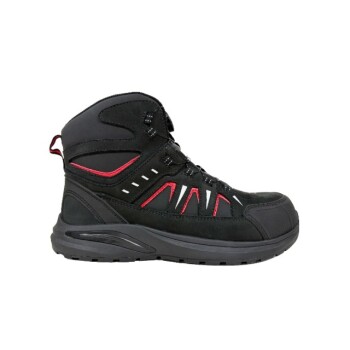
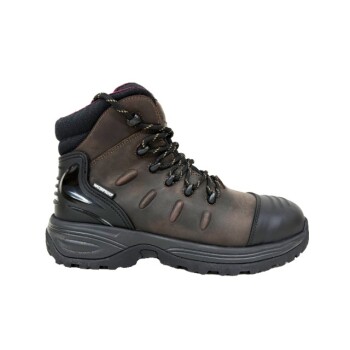
The selection of footwear materials acts as the primary regulator of the foot's internal microclimate, directly impacting long-term skin health. While waterproof materials like rubber or sealed leather provide essential shielding against external liquids, they often lack adequate breathability, creating a sealed environment of high temperature and humidity that can lead to severe physiological breakdown.
The core challenge in industrial footwear is balancing external isolation with internal ventilation. Failing to prioritize breathability can turn a protective boot into an incubator for moisture and heat, leading to skin maceration, fungal growth, and heightened susceptibility to bacterial infections.
The Physiological Impact of Waterproof Materials
The Microclimate Problem
When industrial boots prioritize waterproofing without sufficient ventilation, they create a closed system. This lack of airflow prevents sweat from evaporating, causing humidity levels inside the boot to rise rapidly.
Simultaneously, the internal temperature increases. This combination creates an environment that forces the foot to exist in a perpetual state of damp heat.
Skin Maceration and Barrier Breakdown
The immediate physical result of this trapped moisture is skin maceration. This is the softening and whitening of the skin caused by prolonged exposure to wetness, similar to the "pruning" effect seen after a long bath.
However, in an industrial setting, this is dangerous. Macerated skin loses its structural integrity and barrier function, making it significantly weaker against friction and pressure.
The Cascade of Infection
Once the skin barrier is compromised by maceration, the foot becomes highly susceptible to pathogens. The warm, damp environment accelerates the growth of fungal infections, such as tinea pedis (athlete's foot).
More critically, the weakened skin increases the risk of developing bacterial foot ulcers. These open wounds can lead to subsequent polymicrobial infections, where multiple types of bacteria infect the tissue simultaneously, complicating treatment.
The Role of Breathable High-Performance Materials
Mechanical Stability and Comfort
High-performance breathable materials are engineered to offer a dual benefit: protection and physiology management. These modern composites provide excellent resistance to wear and deformation, ensuring that protective elements remain stable over time.
Unlike traditional rigid waterproof materials, these breathable alternatives often feature superior shock absorption. This reduces fatigue and mechanical stress on the foot during long shifts.
Adherence and Compliance
There is a direct link between material breathability and a worker's willingness to wear safety gear. The discomfort caused by heat accumulation often leads to "patient resistance," where workers may remove or improperly wear their boots.
By utilizing breathable materials that enhance overall comfort, organizations can reduce this resistance. This extends the effective duration of protection, ensuring workers remain compliant with safety protocols throughout the workday.
Understanding the Trade-offs
Balancing Hygiene vs. Hazard
It is critical to recognize that while breathable materials are superior for hygiene, they are not universally applicable. In environments with toxic spills, standing water, or biological hazards, the impermeability of rubber or treated leather is non-negotiable.
The Risk of Over-Protection
A common pitfall is selecting the highest level of waterproof protection when the environment does not strictly require it. If the workspace is dry, choosing a waterproof boot "just in case" unnecessarily exposes the worker to the risks of maceration and infection described above.
Making the Right Choice for Your Environment
Selecting the correct footwear requires analyzing the specific environmental hazards against the biological needs of the worker.
- If your primary focus is Infection Control: Prioritize high-performance breathable materials to minimize maceration and maintain a strong skin barrier against bacterial entry.
- If your primary focus is Worker Compliance: Select materials with superior shock absorption and ventilation to maximize comfort and reduce resistance to wearing the gear.
- If your primary focus is Fluid Protection: Utilize waterproof materials but implement strict hygiene protocols to mitigate the risks of the resulting high-humidity microclimate.
Ultimately, the goal is to select a material that provides necessary external shielding without compromising the biological integrity of the foot.
Summary Table:
| Material Type | Primary Benefit | Internal Microclimate | Skin Health Risks | Best Use Case |
|---|---|---|---|---|
| Breathable | Airflow & Moisture Wick | Low Humidity, Stable Temp | Low (Prevents Fungal Growth) | Dry, high-activity zones |
| Waterproof | Liquid/Chemical Barrier | High Humidity, Trapped Heat | High (Maceration, Infection) | Wet or toxic environments |
| High-Performance | Shock Absorption | Balanced Ventilation | Medium-Low (Enhanced Comfort) | Long shifts requiring stability |
As a large-scale manufacturer serving distributors and brand owners, 3515 offers comprehensive production capabilities for all footwear types, anchored by our flagship Safety Shoes series. We understand that the right material choice is critical for both safety compliance and worker hygiene. Our extensive portfolio covers everything from highly breathable training shoes and sneakers to rugged, waterproof tactical boots and formal dress shoes designed for bulk requirements. Partner with 3515 to provide your clients with footwear that balances physiological health with industrial-grade protection. Contact us today to discuss your custom manufacturing needs!
References
- Sunetra Mondal, Riddhi Dasgupta. Prevalence and predictors of infected diabetic foot ulcers (DFU) and DFU-related osteomyelitis amongst industrial workers wearing occupational safety footwear. DOI: 10.1038/s41598-025-86013-y
This article is also based on technical information from 3515 Knowledge Base .
Related Products
- Premium Wholesale Waterproof Safety Boots High Performance Protection for Industrial Markets
- Customizable Anti-Smash Safety Boots for Wholesale & Private Label Manufacturing
- Wholesale Customizable Safety Boots Durable & Protective Footwear Manufacturing
- Wholesale Leather Safety Boots with Customizable Protective Toe
- Premium Wholesale Tactical Style Safety Shoes Boots with Quick Lacing
People Also Ask
- What weather and chemical protections do premium boots offer? Your Complete Guide to Safety & Performance
- Why are waterproof safety boots recommended for certain work environments? Essential Protection for Wet & Hazardous Jobs
- What are the primary protective functions of industrial safety boots in oil palm plantations? Master Rough Terrain Safety
- Why are oil-resistant and anti-slip properties critical for industrial safety boots? Expert Outsole Engineering Guide
- What are the best types of shoes for different gardening conditions? Find Your Perfect Match.