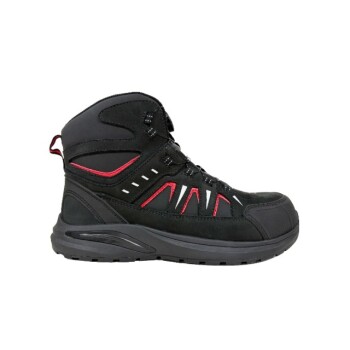
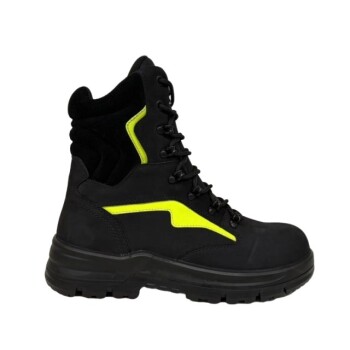
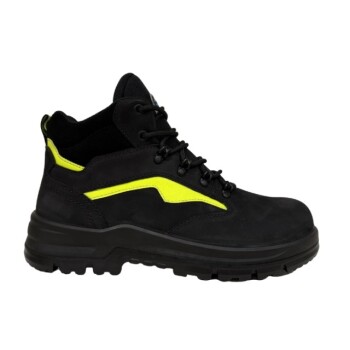
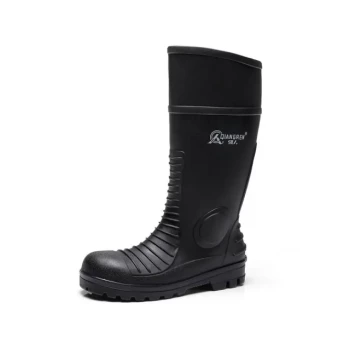
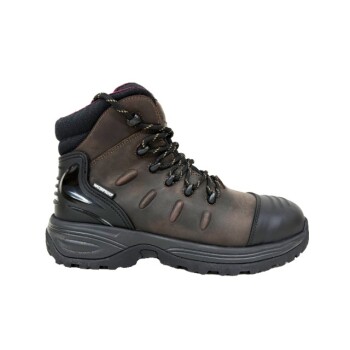
Regardless of their style, all safety toe work boots are fundamentally engineered as personal protective equipment. They share a core set of non-negotiable features designed to shield your feet from specific workplace hazards, primarily impact, compression, and punctures, while often incorporating crucial electrical and slip resistance.
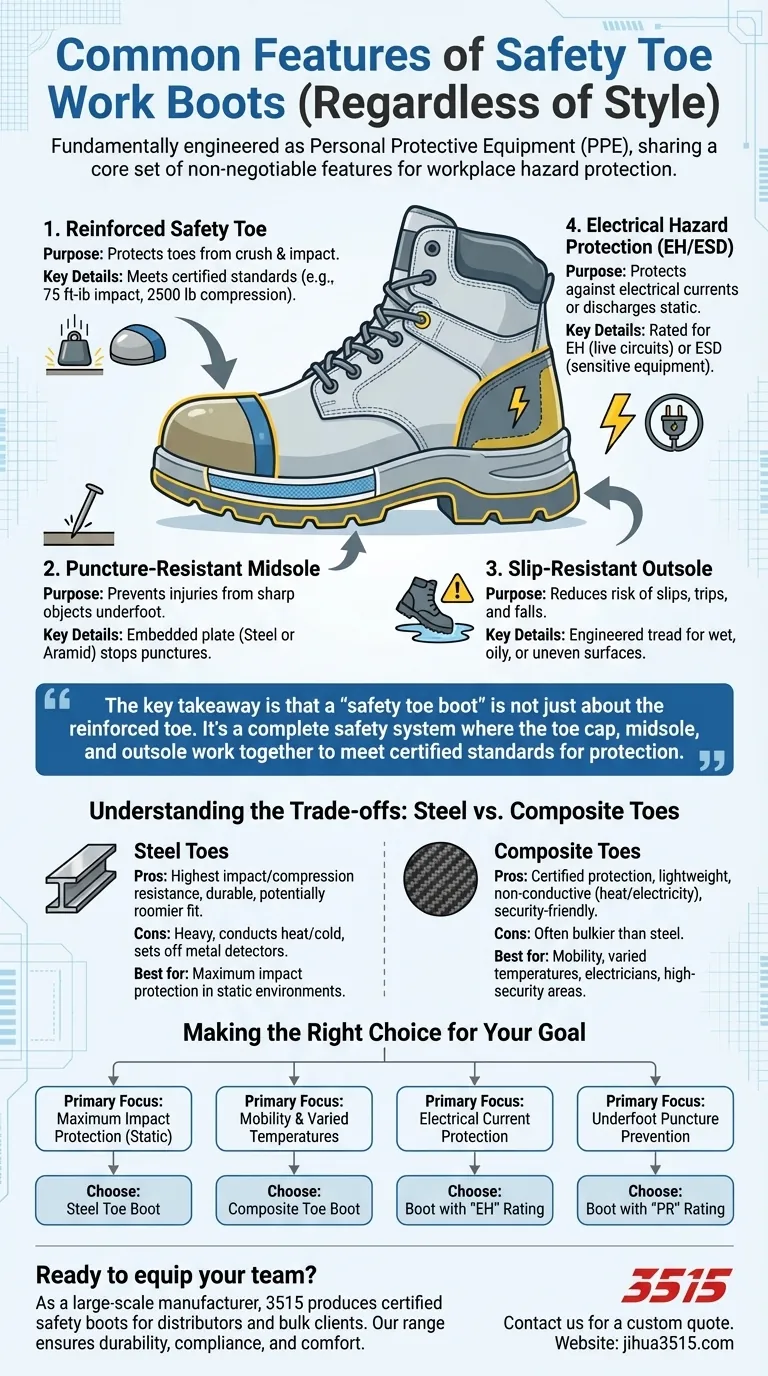
The key takeaway is that a "safety toe boot" is not just about the reinforced toe. It's a complete safety system where the toe cap, midsole, and outsole work together to meet certified standards for protection, making the boot's external style a secondary consideration to its primary function.
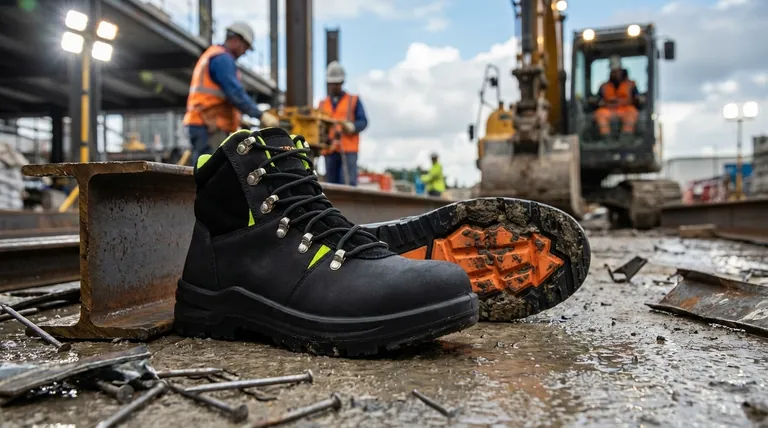
The Foundation of Protection: Core Safety Components
While a boot might look like a casual chukka or a rugged pull-on, its classification as a "safety boot" depends entirely on the protective technologies built inside. These components are standardized to ensure reliable performance in hazardous environments.
The Reinforced Safety Toe
This is the defining feature. Its sole purpose is to protect your toes from crush and impact injuries caused by falling objects or heavy rolling equipment.
To qualify, the toe cap must meet specific performance standards. In the U.S., this typically means withstanding a 75 foot-pound impact and a 2,500-pound compressive force while maintaining a minimum clearance inside the toe box.
The Puncture-Resistant Midsole
True safety boots include a protective plate embedded in the midsole, directly under your foot. This component is critical for preventing injuries from sharp objects on the ground, such as nails, screws, or scrap metal.
These plates can be made of steel or flexible, non-metallic materials like Aramid fibers, but their goal is the same: to stop punctures from reaching your foot.
Protection from Electrical Hazards
Many safety boots are rated to protect against electrical hazards. This feature is not universal but is extremely common in boots designed for electricians, construction workers, and maintenance professionals.
This can include Electrical Hazard (EH) ratings to protect you from live circuits, or Electro-Static Dissipative (ESD) properties to safely discharge static electricity and protect sensitive electronic equipment.
The Slip-Resistant Outsole
Slips, trips, and falls are among the most common workplace accidents. Consequently, safety toe boots are almost always built with outsoles designed for superior traction.
These outsoles are made from durable compounds and feature tread patterns engineered to grip surfaces even when they are wet, oily, or uneven.
Understanding the Trade-offs: Steel vs. Composite Toes
The material used for the safety toe cap is one of the most significant points of differentiation, creating a clear set of trade-offs for the user.
The Case for Steel Toes
Steel is the classic material for safety toes, known for providing the highest standard of impact and compression resistance. It is exceptionally durable and often allows for a slightly roomier fit in the toe box.
However, steel is heavy, conducts heat and cold, and will set off metal detectors. This makes it less ideal for workers who need to stay agile, work in extreme temperatures, or pass through security screenings frequently.
The Case for Composite Toes
Composite toes are made from non-metallic materials like carbon fiber, Kevlar, or plastic. They provide the same certified level of protection as steel but are significantly lighter.
Because they don't conduct electricity or temperature, they are ideal for electricians and those working in very hot or cold conditions. Their non-metallic nature also makes them convenient for high-security environments.
Making the Right Choice for Your Goal
Selecting the right boot means matching its specific safety features to the known hazards of your job.
- If your primary focus is maximum impact protection in a static environment: A steel toe boot offers proven strength and legendary durability.
- If your primary focus is mobility and working in varied temperatures: A composite toe boot provides certified protection without the weight or thermal conductivity of steel.
- If your primary focus is protection from electrical currents: You must ensure the boot has a specific "EH" rating marked on its tag.
- If your primary focus is preventing underfoot punctures: Look for a boot explicitly rated for "Puncture Resistance" (PR), as this is a separate feature from the safety toe.
Ultimately, your choice should be guided by a clear understanding of your environment's risks, ensuring your boot's features provide the exact protection you need.
Summary Table:
| Core Safety Feature | Purpose | Key Details |
|---|---|---|
| Reinforced Safety Toe | Protects toes from impact/compression | Meets ASTM standards (e.g., 75 ft-lb impact, 2,500 lb compression) |
| Puncture-Resistant Midsole | Prevents injuries from sharp objects | Steel or non-metallic (Aramid) plate embedded in the midsole |
| Electrical Hazard (EH) Rating | Protects against live circuits | Common for electricians and maintenance workers |
| Slip-Resistant Outsole | Reduces risk of slips and falls | Engineered tread patterns for wet/oily/uneven surfaces |
Ready to equip your team with high-quality safety footwear?
As a large-scale manufacturer, 3515 produces a comprehensive range of certified safety boots for distributors, brand owners, and bulk clients. Our production capabilities encompass all types of protective footwear, ensuring durability, compliance, and comfort for your workforce.
Contact us today to discuss your specific needs and receive a custom quote.
Visual Guide
Related Products
- Wholesale Durable Safety Boots Manufacturer Customizable Steel Toe Work Boots
- Customizable Anti-Smash Safety Boots for Wholesale & Private Label Manufacturing
- Wholesale Customizable Safety Boots Durable & Protective Footwear Manufacturing
- Wholesale Durable Breathable Safety Boots Custom OEM Manufacturer
- Durable Steel Toe Safety Boots Wholesale & Custom Manufacturing
People Also Ask
- What are the pros and cons of steel toe work boots? A Guide to Maximum Protection vs. Comfort
- What are the different types of steel toe work boots? Choose the Right Boot for Your Job
- What is the history of steel toe work boots? From German Invention to Modern Safety Standard
- How much weight can steel toe work boots withstand? Unpacking the 3,372 lb. Safety Standard
- What are some common myths about steel toe work boots? Debunked for Modern Workers