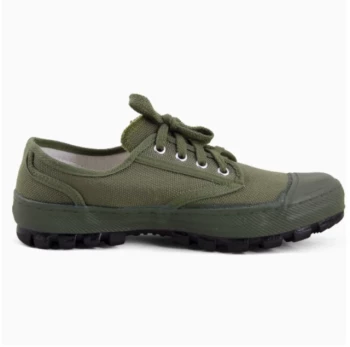
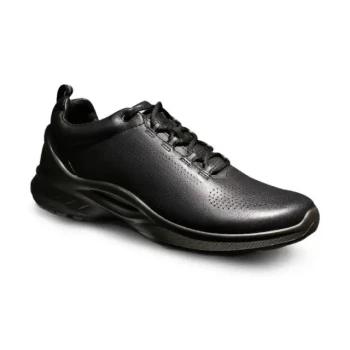
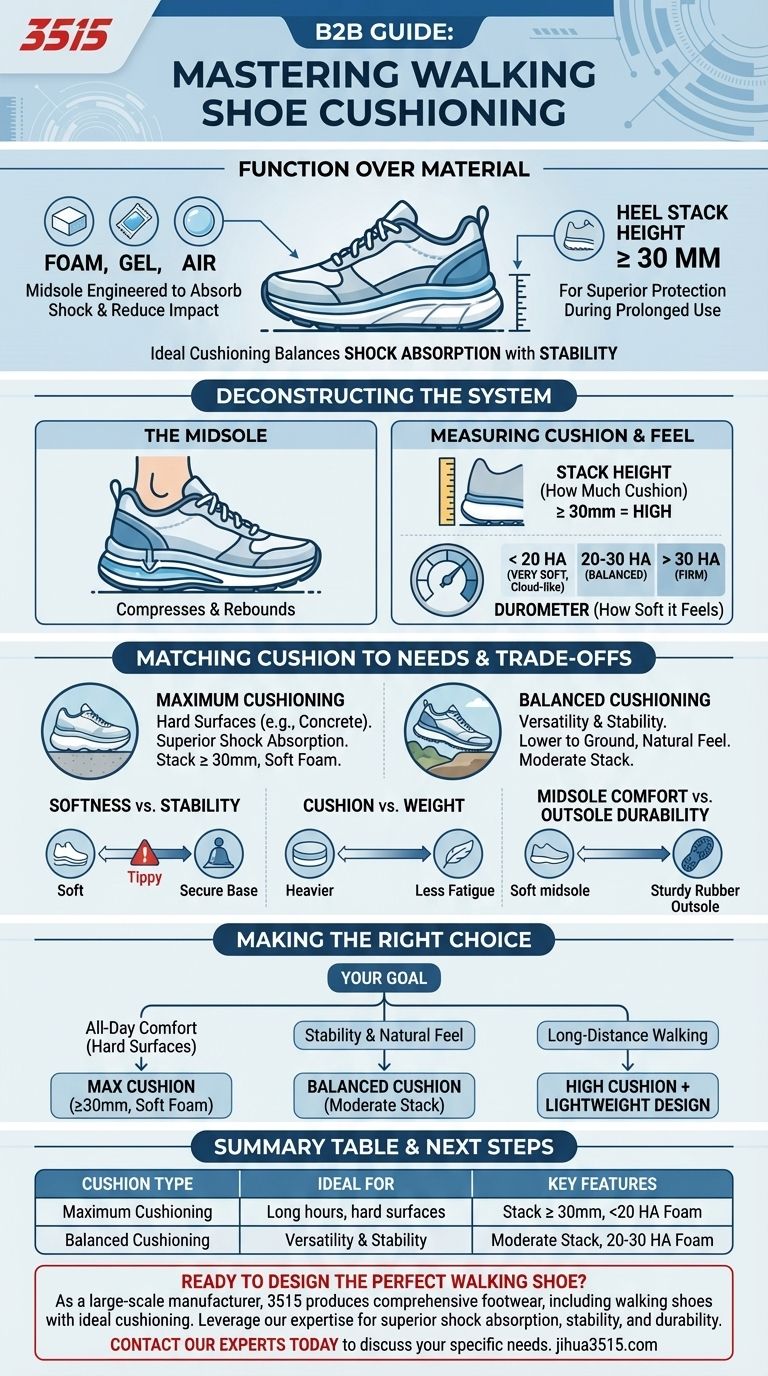
The right cushioning in a walking shoe is less about a specific material and more about its function. Your walking shoes should have a midsole made of foam, gel, or air specifically engineered to absorb shock and reduce impact. For significant impact protection during prolonged walking or standing, look for a shoe with a heel stack height of 30 mm or more.
The ideal cushioning balances superior shock absorption with reliable stability. While softer, thicker cushioning provides maximum comfort on hard surfaces, it must be paired with a supportive design to prevent an unstable or "tippy" feeling.
Deconstructing Walking Shoe Cushioning
To choose the right shoe, you must first understand the components that create its feel and performance. The "cushioning" is a system, not a single feature.
The Role of the Midsole
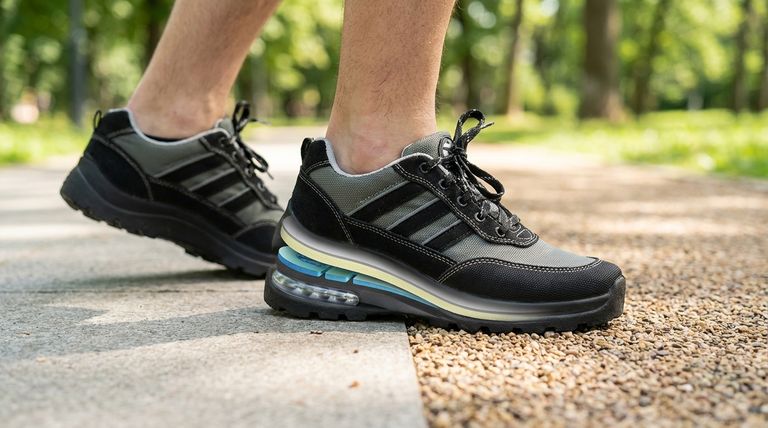
The midsole is the layer between your foot and the outsole that provides the primary cushioning and shock absorption. The most common materials used—foam, gel, or air pockets—are all designed to compress upon impact and then rebound.
Measuring Cushioning: Stack Height
Stack height is the amount of material separating your foot from the ground. This is the most direct indicator of how much cushioning a shoe has.
A heel stack height of 30 mm or more is considered high and is recommended for superior impact protection, especially for long days on your feet.
Measuring Feel: Midsole Softness
While stack height tells you how much cushion there is, a durometer reading tells you how soft it feels.
A Shore A durometer measures foam softness, with readings below 20 HA considered very soft, 20-30 HA balanced, and above 30 HA firm. Softer foams provide that "cloud-like" experience.
Matching Cushioning to Your Needs
Different levels of cushioning are suited for different activities and environments. It's crucial to match the shoe's design to your intended use.
Maximum Cushioning for Hard Surfaces
Shoes with max cushioning feature tall stacks of soft, pillowy foam. They excel at providing superior shock absorption.
This style is ideal if you spend long hours standing or walking on hard surfaces like concrete. Despite their thickness, modern max-cushioned shoes are designed to be lightweight and responsive.
Balanced Cushioning for Versatility
A shoe with balanced cushioning offers a middle ground. It provides ample shock absorption for comfort but keeps you lower to the ground for a more stable, natural feel.
This is a versatile option for people who walk on varied terrains or prefer not to feel disconnected from the surface beneath them.
Understanding the Trade-offs
Choosing the right cushioning is an exercise in balancing competing priorities. There is no single "best" option, only the best option for you.
Softness vs. Stability
This is the most critical trade-off. Extremely soft, high-stack shoes can sometimes lack stability, creating a "tippy" or insecure feeling.
A well-designed shoe counteracts this with a wider base or supportive upper, but it remains a key consideration, especially if you have stability concerns.
Cushioning vs. Weight
While modern foams are remarkably light, more material generally means more weight. Walking shoes should be durable for all-day wear but lighter than a typical running shoe to reduce fatigue.
Midsole Comfort vs. Outsole Durability
Excellent midsole cushioning is wasted if the outsole wears out prematurely. The outsole is the rubber layer that contacts the ground and takes the most abuse.
Ensure the shoe has a sturdy, durable rubber outsole that can withstand your walking environment while remaining flexible.
Making the Right Choice for Your Goal
Use your primary goal to guide your selection process.
- If your primary focus is all-day comfort on hard surfaces: Seek a shoe with maximum cushioning, indicated by a heel stack height of 30mm or more and a soft foam midsole.
- If your primary focus is stability and a natural feel: Opt for a shoe with balanced cushioning, which provides necessary shock absorption without feeling overly high off the ground.
- If your primary focus is long-distance walking: Prioritize a shoe that combines high cushioning with a lightweight, responsive design to minimize fatigue over many miles.
Ultimately, the best cushioning supports your unique gait and daily demands, turning every step into a more comfortable experience.
Summary Table:
| Cushioning Type | Ideal For | Key Features |
|---|---|---|
| Maximum Cushioning | Long hours on hard surfaces | Heel stack ≥ 30mm, very soft foam (below 20 HA) |
| Balanced Cushioning | Versatility & stability | Moderate stack height, balanced foam (20-30 HA) |
Ready to design the perfect walking shoe for your customers?
As a large-scale manufacturer, 3515 produces a comprehensive range of footwear for distributors, brand owners, and bulk clients. Our production capabilities encompass all types of shoes and boots, including walking shoes engineered with the ideal cushioning systems discussed in this article. We can help you develop products that deliver superior shock absorption, stability, and durability to meet your market's demands.
Contact our experts today to discuss your specific needs and leverage our manufacturing expertise.
Visual Guide
Related Products
- Durable Rubber Sole Outdoor Shoes Wholesale & Custom Manufacturing
- Wholesale Durable Camouflage Canvas Shoes with High-Traction Cleated Rubber Sole
- Premium Suede Sport Safety Shoes for Wholesale & Bulk Orders
- Wholesale Comfortable Business Casual Shoes Custom Manufacturing
- Premium Lightweight Safety Shoes for Wholesale & Bulk Orders
People Also Ask
- What is the function of the sole in outdoor shoes? Find the Perfect Grip and Support
- What role do outdoor shoes and sneakers play in navigating external terrains? Engineered Stability for Every Surface
- How is AI utilized in the design of outdoor and safety footwear? Harnessing Big Data for Market-Driven Shoe Innovation
- Why is durability important when selecting outdoor shoes? A Guide to Safety & Long-Term Value
- What are the key components of outdoor shoes that affect comfort and sturdiness? A Guide to Durable, High-Performance Footwear