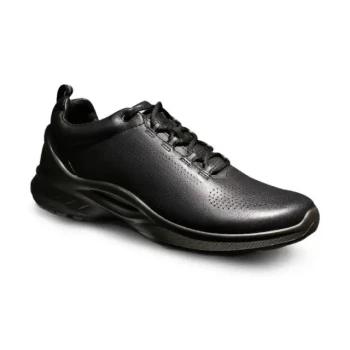
At its core, comfort in walking shoes is a functional necessity, not a luxury. A comfortable shoe is engineered to prevent injury and support your body's natural mechanics, especially since your feet must absorb up to 1.5 times your body weight with every single step. This makes proper cushioning and fit essential for both immediate well-being and long-term health.
Choosing a walking shoe is not about finding the softest option, but about finding the right tool for the job. True comfort is a blend of support, cushioning, and fit that enables consistent activity while actively preventing pain and injury.
The Biomechanical Impact of Every Step
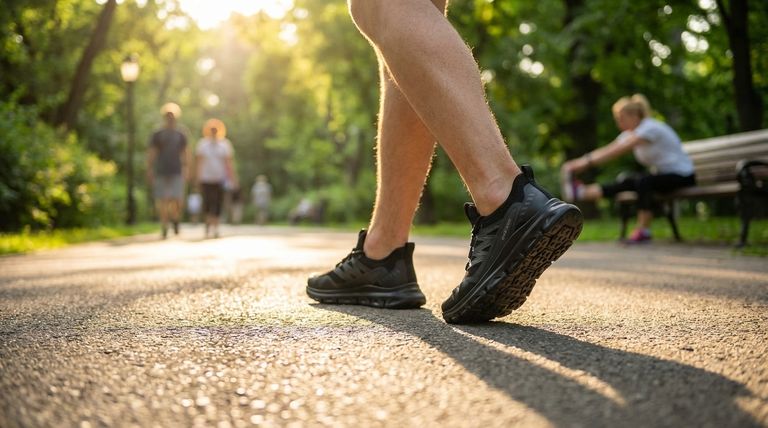
Walking is a repetitive, high-impact activity. Over thousands of steps, even minor issues with your footwear can magnify into significant problems. Understanding what your feet endure is the first step to appreciating the role of a good shoe.
Absorbing Destructive Force
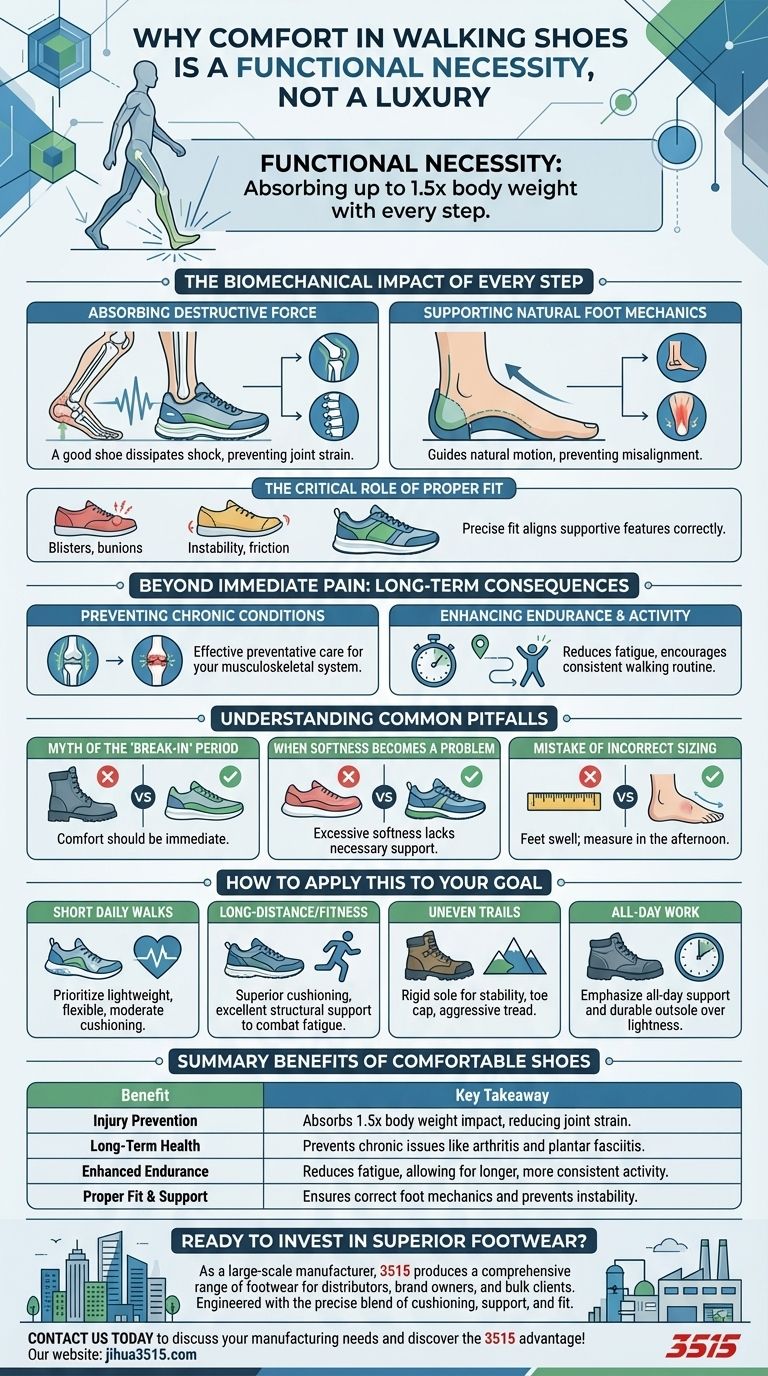
With every step you take, a shockwave travels from your foot up through your ankles, knees, and spine. A well-cushioned shoe acts as a critical shock absorber, dissipating this force before it can cause strain or damage to your joints. Without it, you are essentially exposing your skeleton to thousands of micro-impacts every day.
Supporting Natural Foot Mechanics
A good shoe doesn't just cushion; it guides your foot through its natural range of motion. Proper arch support and a stable heel counter prevent your foot from rolling inward or outward excessively (pronation), which is a common cause of conditions like plantar fasciitis and shin splints.
The Critical Role of Proper Fit
An ill-fitting shoe is a direct cause of injury. Shoes that are too tight create blisters, bunions, and nerve pain. Shoes that are too loose allow your foot to slide, causing instability and friction. A precise fit ensures the shoe's supportive features are aligned correctly with your foot's anatomy.
Beyond Immediate Pain: The Long-Term Consequences
The effects of poor footwear extend far beyond temporary aches. The shoes you wear today directly influence your physical health and activity levels for years to come.
Preventing Chronic Conditions
Sustained stress from unsupportive shoes can contribute to chronic issues like arthritis, stress fractures, and persistent joint pain. Comfortable, well-designed footwear is one of the most effective forms of preventative care for your musculoskeletal system.
Reducing Fatigue and Enhancing Endurance
Discomfort is a form of physical distraction. When your feet hurt, your body expends extra energy compensating, leading to faster fatigue. A comfortable shoe allows you to walk longer and more efficiently, letting you focus on your activity rather than your pain.
Encouraging Consistent Activity
The most important benefit of comfort is that it keeps you walking. If your shoes cause pain, you will subconsciously avoid the activity. Just as with professional safety equipment, if the gear is uncomfortable, it won't be used. A great pair of shoes removes a major barrier to maintaining a consistent, healthy walking routine.
Understanding the Trade-offs and Common Pitfalls
Choosing the right shoe involves navigating a few common misconceptions. Being aware of these pitfalls ensures you make a choice based on function, not just initial feel.
The Myth of the "Break-In" Period
A properly fitting walking shoe should feel comfortable from the moment you put it on. While some stiff hiking boots may require a short period to soften, a modern walking shoe that causes immediate pinching or rubbing is simply the wrong shoe for your foot.
When Softness Becomes a Problem
Excessive, unstructured cushioning can feel luxurious at first but may lack the necessary support for your arches and ankles. The ideal shoe balances soft cushioning to absorb impact with a firm, supportive structure to guide your foot and prevent instability.
The Mistake of Incorrect Sizing
Many people buy shoes based on a size they've worn for years, but foot size and shape can change over time. It is crucial to measure your feet and to try on shoes in the afternoon or evening, as your feet naturally swell throughout the day.
How to Apply This to Your Goal
Your specific needs will determine the right balance of features. Use your primary objective as a guide to making the right choice.
- If your primary focus is short daily walks for general health: Prioritize a lightweight, flexible shoe with moderate cushioning that feels good right out of the box.
- If your primary focus is long-distance walking or fitness: You need a shoe with superior, durable cushioning and excellent structural support to combat fatigue and prevent repetitive stress injuries.
- If your primary focus is walking on uneven trails: Look for a shoe with a more rigid sole for stability, a protective toe cap, and an aggressive tread for grip, even if it feels slightly less flexible.
- If you are on your feet all day for work: Emphasize all-day support and a durable outsole over ultralight performance, ensuring your feet are protected from fatigue over many hours.
Ultimately, investing in comfortable walking shoes is a direct investment in your ability to move freely and without pain.
Summary Table:
| Benefit of Comfortable Shoes | Key Takeaway |
|---|---|
| Injury Prevention | Absorbs 1.5x body weight impact, reducing joint strain. |
| Long-Term Health | Prevents chronic issues like arthritis and plantar fasciitis. |
| Enhanced Endurance | Reduces fatigue, allowing for longer, more consistent activity. |
| Proper Fit & Support | Ensures correct foot mechanics and prevents instability. |
Ready to Invest in Superior Footwear?
As a large-scale manufacturer, 3515 produces a comprehensive range of footwear for distributors, brand owners, and bulk clients. Our production capabilities encompass all types of shoes and boots, engineered with the precise blend of cushioning, support, and fit detailed in this article. Let us help you provide your customers with the comfort and performance they need.
Contact us today to discuss your manufacturing needs and discover the 3515 advantage!
Visual Guide
Related Products
- Durable Rubber Sole Outdoor Shoes Wholesale & Custom Manufacturing
- Wholesale Durable Camouflage Canvas Shoes with High-Traction Cleated Rubber Sole
- Premium Suede Sport Safety Shoes for Wholesale & Bulk Orders
- Wholesale Comfortable Business Casual Shoes Custom Manufacturing
- Premium Lightweight Safety Shoes for Wholesale & Bulk Orders
People Also Ask
- What is the function of the sole in outdoor shoes? Find the Perfect Grip and Support
- What role do outdoor shoes and sneakers play in navigating external terrains? Engineered Stability for Every Surface
- How is AI utilized in the design of outdoor and safety footwear? Harnessing Big Data for Market-Driven Shoe Innovation
- Why is durability important when selecting outdoor shoes? A Guide to Safety & Long-Term Value
- What are the key components of outdoor shoes that affect comfort and sturdiness? A Guide to Durable, High-Performance Footwear