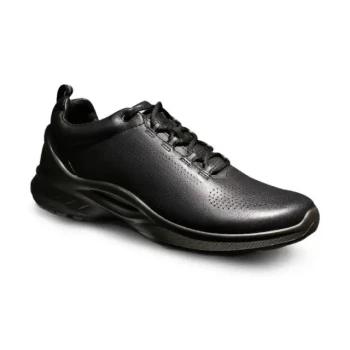
Standardized walking shoes are a critical control mechanism used to ensure data integrity in biomechanical research. They serve to eliminate experimental noise introduced by the vast variability in participants' personal footwear, specifically regarding sole hardness, friction coefficients, and fit. By enforcing this uniform baseline, researchers can certify that any observed improvements or changes in gait are the direct result of the specific training protocol, rather than the mechanical influence of the shoe itself.
By removing variables like grip strength, heel height, and sole wear, standardized footwear guarantees that research data reflects human physiological changes rather than equipment differences.
The Science of Variable Isolation
Eliminating Mechanical Noise
In any gait study, the interface between the foot and the ground is the primary source of external feedback. Personal footwear varies wildly in terms of sole hardness and friction coefficients.
Using a standardized shoe neutralizes these variables. It ensures that the mechanical feedback received by every participant is identical, removing the "noise" that different shoe brands or conditions would introduce to the dataset.
Ensuring Causal Attribution
The primary goal of an intervention study is to prove that a specific therapy or training creates a specific result. If participants wear their own shoes, a researcher cannot be certain if improved walking speed is due to muscle strengthening or simply a shoe with better energy return.
Standardization isolates the biological variable. It allows the research team to confidently attribute changes in gait parameters directly to the intervention.
Biomechanical Implications
Regulating Friction and Torque
Footwear significantly alters how the foot interacts with the floor, particularly regarding friction. As noted in biomechanical analyses, inconsistent outsole materials can lead to fluctuations in Vertical Free Moment (VFM).
Standardized shoes provide a uniform plantar friction environment. This ensures that the way the musculoskeletal system regulates angular momentum is not artificially manipulated by the grip of a specific shoe.
Stabilizing Joint Kinematics
Variations in heel height and material density can force the body into compensatory postures. For example, different heel heights can inadvertently cause increased knee flexion or trunk leaning.
By utilizing uniform footwear, researchers ensure that any observed abnormalities in posture are derived from the patient’s actual structural condition. This prevents the equipment from masquerading as a pathology.
Understanding the Trade-offs
Internal vs. Ecological Validity
While standardized shoes increase internal validity (accuracy of the experiment), they may decrease ecological validity (real-world applicability). A standardized neutral jogging shoe may not represent the footwear a participant uses in their daily life, such as dress shoes or work boots.
Fit and Comfort Limitations
Standardization assumes a "one-style-fits-all" approach, which can be problematic for participants with unique foot shapes. Ill-fitting control shoes can induce discomfort, which may subconsciously alter a subject's gait, thereby introducing a different type of experimental error.
Making the Right Choice for Your Goal
To ensure your study design meets the highest standards of rigor, consider the following regarding footwear selection:
- If your primary focus is proving the efficacy of a therapy: Strictly require standardized neutral shoes to prove that results are due to the intervention, not the equipment.
- If your primary focus is high-intensity or risk assessment: Utilize standardized safety footwear to ensure consistent friction coefficients across different surface textures (e.g., dry vs. slippery).
- If your primary focus is pure kinematic analysis: Select footwear with moderate sole hardness to prevent artificial influence on joint angles like knee flexion or trunk lean.
True experimental rigor requires that we measure the human, not the shoe.
Summary Table:
| Factor | Impact of Standardization | Benefit to Study |
|---|---|---|
| Mechanical Noise | Neutralizes variations in sole hardness and friction | Eliminates external variables from personal footwear |
| Causal Attribution | Isolates biological changes from equipment influence | Confirms intervention efficacy rather than shoe performance |
| Friction & Torque | Provides uniform plantar friction environment | Ensures consistent regulation of angular momentum |
| Joint Kinematics | Fixes heel height and material density | Prevents compensatory postures like trunk leaning or knee flexion |
Elevate Your Fleet and Research with 3515 Footwear Solutions
Precision in research and professional performance starts with the right equipment. As a large-scale manufacturer serving distributors and brand owners, 3515 offers comprehensive production capabilities for all footwear types. Whether you require standardized trainers for gait studies or specialized professional gear, our flagship Safety Shoes series provides the consistency and durability needed for high-stakes environments.
Our extensive portfolio covers work and tactical boots, outdoor shoes, training shoes, sneakers, and Dress & Formal shoes to meet your diverse bulk requirements.
Ready to secure high-quality, standardized footwear for your organization? Contact us today to discuss your specific needs and leverage our manufacturing excellence.
References
- Mohammadreza Mahaki, Jaap H. van Dieën. Mediolateral foot placement control can be trained: Older adults learn to walk more stable, when ankle moments are constrained. DOI: 10.1371/journal.pone.0292449
This article is also based on technical information from 3515 Knowledge Base .
Related Products
- Durable Rubber Sole Outdoor Shoes Wholesale & Custom Manufacturing
- Premium KPU Athletic Safety Shoes for Wholesale
- Wholesale Comfortable Business Casual Shoes Custom Manufacturing
- Premium Lightweight Safety Shoes for Wholesale & Bulk Orders
- Premium Suede Sport Safety Shoes for Wholesale & Bulk Orders
People Also Ask
- What is the function of the sole in outdoor shoes? Find the Perfect Grip and Support
- What role do outdoor shoes and sneakers play in navigating external terrains? Engineered Stability for Every Surface
- How is AI utilized in the design of outdoor and safety footwear? Harnessing Big Data for Market-Driven Shoe Innovation
- Why is durability important when selecting outdoor shoes? A Guide to Safety & Long-Term Value
- What are the key components of outdoor shoes that affect comfort and sturdiness? A Guide to Durable, High-Performance Footwear