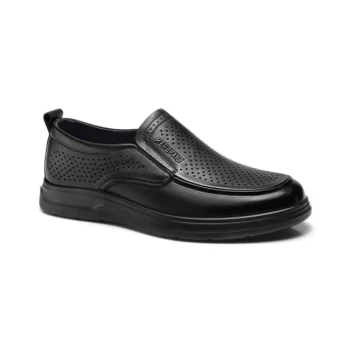
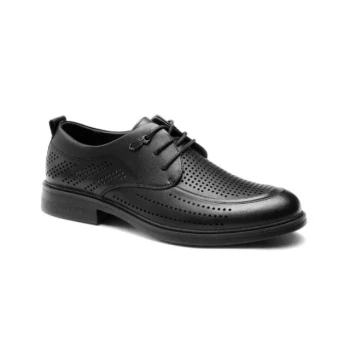
The outsole of a men's snow boot is the single most critical component for winter performance, engineered specifically to provide traction and stability. Its primary function is to create a secure grip on treacherous surfaces like snow and ice through a combination of specialized rubber compounds and aggressive tread patterns, directly preventing slips and falls.
The outsole is your direct connection to the ground, designed for one core purpose: to provide uncompromising grip in hazardous winter conditions. However, its effectiveness is deeply tied to the boot's overall system of support, weight, and fit.
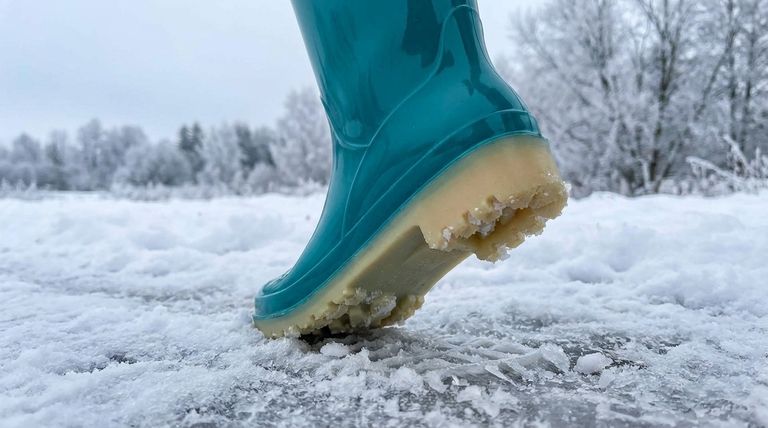
The Anatomy of a High-Performance Outsole
A snow boot outsole isn't just a piece of rubber; it's a carefully designed system where material and pattern work in unison. Understanding these two elements is key to appreciating its function.
Material: The Foundation of Grip
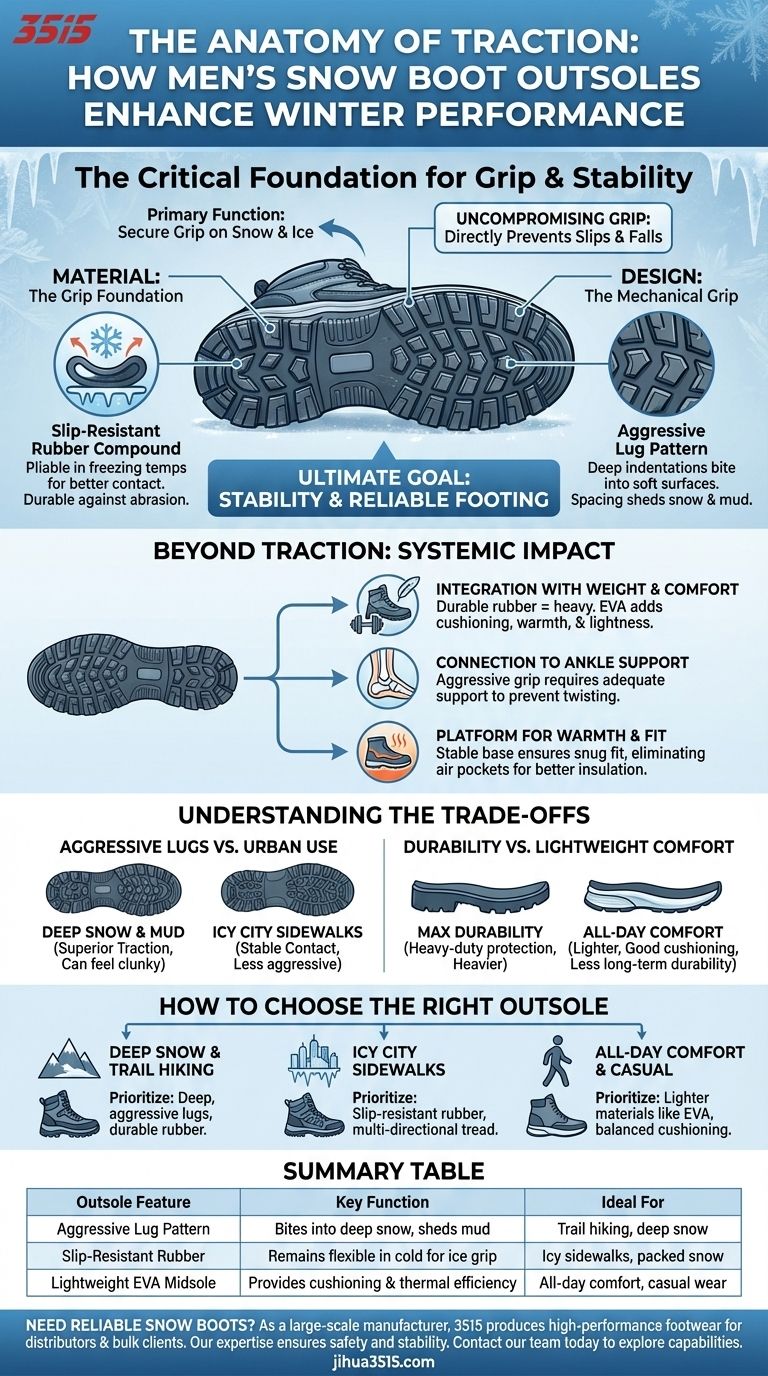
The choice of material is the first line of defense against slipping. High-performance outsoles almost universally use a slip-resistant rubber compound.
This material is formulated to remain pliable even in freezing temperatures, allowing it to maintain better contact and grip on surfaces like ice and packed snow. Its inherent durability also ensures it can withstand abrasion from concrete and rough trails.
Design: The Role of Lugs
The pattern molded into the outsole, known as the lug pattern, is what provides mechanical grip. These deep indentations and channels are engineered for specific tasks.
Lugged outsoles bite into soft surfaces like deep snow and slush, providing superior traction. The spacing between the lugs is also designed to shed snow and mud, preventing it from caking up and reducing the sole's effectiveness.
Function: Preventing Slips and Falls
The ultimate goal is stability. By combining a flexible, high-friction rubber with a deep lug pattern, the outsole ensures a stable footing across varied winter landscapes.
This makes the boot reliable whether you are in blizzard conditions, walking on an icy sidewalk, or navigating a snowy trail.
Beyond Traction: How the Outsole Impacts the Entire Boot
The outsole is the foundation, but its design choices have ripple effects throughout the rest of the boot, influencing comfort, warmth, and support.
Integration with Weight and Comfort
The material of the sole significantly impacts the boot's overall weight. While durable rubber is excellent for grip, it can be heavy.
For this reason, some designs incorporate materials like EVA (ethylene vinyl acetate). EVA is much lighter, offers good thermal efficiency, and provides cushioning, enhancing comfort for prolonged wear.
The Connection to Ankle Support
An aggressive outsole that grips the ground firmly is only effective if the rest of the boot can manage those forces.
A stable outsole must be paired with adequate ankle support. This prevents your foot from twisting or rolling, which is especially important when walking on uneven, frozen ground.
The Platform for Warmth and Fit
A well-designed outsole provides a stable and correctly shaped base for the entire boot. This structure is essential for achieving a snug fit.
A proper fit eliminates air pockets, which improves the efficiency of the boot's insulation. If the boot is too loose because of a poorly shaped base, your feet will get cold much faster.
Understanding the Trade-offs
No single outsole design is perfect for every condition. Recognizing the inherent compromises is crucial for selecting the right boot.
Aggressive Lugs vs. Urban Use
Outsoles with very deep, widely-spaced lugs are masters of deep snow and mud. However, they can feel clunky and may offer less surface-area contact on flat, icy concrete compared to patterns with smaller, multi-directional lugs.
Durability vs. Lightweight Comfort
Heavy-duty, thick rubber outsoles offer maximum durability and protection. The trade-off is weight, which can lead to fatigue over a long day.
Lighter soles made with materials like EVA are far more comfortable for casual walking but may not offer the same level of aggressive traction or long-term durability as their heavier counterparts.
How to Choose the Right Outsole for Your Needs
Selecting the right boot starts with matching the outsole's design to its intended purpose.
- If your primary focus is deep snow and trail hiking: Prioritize boots with deep, aggressive lugs made from a durable, specialized rubber compound for maximum traction.
- If your primary focus is navigating icy city sidewalks: Look for a slip-resistant rubber outsole with a multi-directional tread pattern that provides stable contact on flat, hard surfaces.
- If your primary focus is all-day comfort and casual wear: Consider lighter-weight outsole materials like EVA, which balance thermal efficiency and cushioning with adequate grip for cleared or lightly snow-dusted paths.
Ultimately, a well-chosen outsole is the critical foundation that ensures your safety and stability in unpredictable winter weather.
Summary Table:
| Outsole Feature | Key Function | Ideal For |
|---|---|---|
| Aggressive Lug Pattern | Bites into deep snow, sheds mud | Trail hiking, deep snow |
| Slip-Resistant Rubber | Remains flexible in cold for ice grip | Icy sidewalks, packed snow |
| Lightweight EVA Midsole | Provides cushioning and thermal efficiency | All-day comfort, casual wear |
Need reliable snow boots for your customers? As a large-scale manufacturer, 3515 produces a comprehensive range of high-performance footwear for distributors, brand owners, and bulk clients. Our expertise in engineering durable, slip-resistant outsoles ensures your customers get the safety and stability they need. Let's discuss your specific requirements — contact our team today to explore our production capabilities for all types of shoes and boots.
Visual Guide
Related Products
- Factory Direct Wholesale Rain Boots Durable Waterproof & Fully Customizable
- Wholesale Leather Ankle Boots with Lug Soles for Custom Brand Manufacturing
- Durable Waterproof Rain Boots | Custom Manufacturer for Wholesale & Brands
- Wholesale Waterproof Tactical Boots Custom Suede & High-Traction Soles
- Factory Direct Wholesale Leather Comfort Shoes with Dial Closure
People Also Ask
- What are the characteristics of rain boots? A Guide to Waterproof Footwear for Every Need
- What factors should be considered when choosing rain boots? Find the Perfect Boot for Your Needs
- What are the main differences between rain boots and snow boots? Choose the Right Boot for Your Climate
- How should one decide between PVC and rubber for rain boots? A Guide to Choosing the Right Material
- Why are rain boots more flexible and comfortable than snow boots? The Key Differences Explained