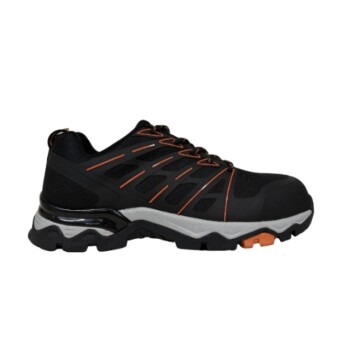
The primary value of material recovery in post-consumer safety shoes is the transformation of waste into viable raw materials, shifting the industry from a linear to a circular model. By implementing standardized disassembly and recycling processes, manufacturers can extract valuable components—such as metal toe caps and rubber outsoles—and reintroduce them into the production cycle. This significantly reduces waste emissions while conserving virgin resources.
The transition to a closed-loop model allows for the melting of metals and reuse of rubber granules, ensuring that safety footwear contributes to resource protection rather than landfill growth.
Transforming Components into Resources
The Necessity of Standardized Disassembly
To unlock the value of used safety shoes, simple disposal is not enough. The process requires standardized disassembly.
This ensures that complex footwear is broken down systematically. Only through this rigorous separation can specific materials be isolated for effective reuse.
Recovering High-Value Materials
Safety shoes are constructed from durable materials that retain value even after the shoe is worn out.
Metal protective toe caps can be melted down and reformed, while rubber outsoles can be processed into granules for new manufacturing applications. Even composite fibers can be harvested, preventing valuable inputs from being lost.
Moving Toward a Closed-Loop Model
Breaking the Linear Chain
The traditional approach to safety footwear is a "purchase-and-discard" model. This linear path creates a permanent loss of materials once the product reaches its end of life.
Material recovery replaces this with a closed-loop resource protection model. In this system, the end of one product's life becomes the beginning of another's.
Environmental Impact and Efficiency
The recovery process does more than just save materials; it actively protects the environment.
By reusing existing materials, the industry reduces the waste emissions associated with extracting and processing virgin resources. This acts as a safeguard for raw material reserves.
Understanding the Trade-offs
The Complexity of Multi-Material Designs
While recycling offers immense value, it is not without challenges. Safety shoes incorporate a variety of distinct materials—metals, rubbers, and composites—bonded together.
This complexity means that efficient recovery relies entirely on the sophistication of the disassembly process. Without advanced separation techniques, the purity of the recovered materials drops, reducing their reuse potential.
Process Dependency
The value described here is not automatic. It is contingent upon the availability of standardized recycling infrastructure.
If a facility lacks the specific capability to disassemble these safety components, the transition to a closed-loop model cannot occur. The benefits are tied strictly to the implementation of these specialized processes.
Making the Right Choice for Your Sustainability Goals
To maximize the value of post-consumer safety footwear, you must align your disposal methods with your environmental objectives.
- If your primary focus is Waste Reduction: Ensure your disposal partners utilize standardized disassembly to prevent complex materials from entering landfills.
- If your primary focus is Resource Efficiency: Prioritize footwear designs that use easily separable materials like metal and rubber to facilitate the reintroduction of granules and melted metals into the supply chain.
By treating used safety shoes as a resource repository rather than trash, you close the loop on production and secure a more sustainable future.
Summary Table:
| Key Recovery Factor | Material Type | Recovery Method | Circular Value |
|---|---|---|---|
| Metal Components | Steel/Alloy Toe Caps | Melting & Re-forming | High-purity raw material reuse |
| Outsole Materials | Rubber & TPU | Granulation | Production of new outsoles/flooring |
| Fiber Elements | Synthetic Fabrics | Chemical/Mechanical Recycling | Reduced reliance on virgin polymers |
| Structural Waste | Mixed Composites | Standardized Disassembly | Significant reduction in landfill emissions |
Partner with 3515 for Sustainable Footwear Solutions
As a large-scale manufacturer serving distributors and brand owners globally, 3515 is committed to integrating sustainability into every step of the production process. Our comprehensive manufacturing capabilities—spanning our flagship Safety Shoes series, tactical boots, outdoor footwear, and dress shoes—are designed to meet the rigorous demands of the modern market while prioritizing resource efficiency.
By partnering with 3515, you gain access to:
- Advanced Production Expertise: Scalable manufacturing for bulk requirements across all footwear types.
- Sustainable Value: Guidance on material selection to enhance the recyclability and circularity of your product lines.
- Global Distribution Support: Reliable supply chain solutions tailored for brand owners and large-scale distributors.
Ready to elevate your product portfolio with a manufacturer that understands the future of resource protection? Contact us today to discuss your project!
References
- Sara Karimzadeh, Magnus Boström. Ethical consumption in three stages: a focus on sufficiency and care. DOI: 10.1080/23251042.2023.2277971
This article is also based on technical information from 3515 Knowledge Base .
Related Products
- Premium Suede Sport Safety Shoes for Wholesale & Bulk Orders
- Premium Lightweight Safety Shoes for Wholesale & Bulk Orders
- Wholesale Anti-Smash & Puncture-Proof Safety Shoes Custom Manufacturing for Brands
- Premium KPU Injection Athletic Style Safety Shoes
- Premium Safety Shoes with Rotating Buckle Safety Sneakers
People Also Ask
- What are the primary functions of professional safety shoes? Maximize Safety in Water Supply Confined Spaces
- What industries have specific OSHA footwear requirements? Ensure Compliance & Protect Your Workforce
- What role do specialized safety shoes play in preventing falls? Engineering Stability in Industrial Environments
- How do specialized safety shoes protect against battery maintenance injuries? Prevent Impact and Chemical Burns
- What are the technical advantages of integrating sensors into safety shoes? Achieve Superior Motion Capture Precision