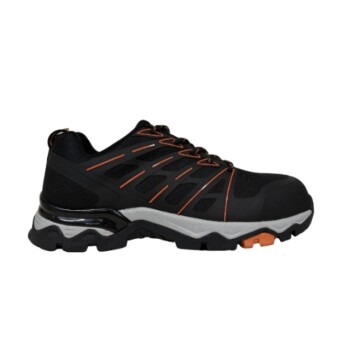
Smart motion trackers serve as the essential bridge between "out-of-the-box" footwear performance and scientifically valid biomechanical data. Their primary purpose is to accurately quantify a subject's step count during the habituation phase—the period before formal testing begins. By ensuring a wearer reaches a specific threshold, such as 10,000 steps, researchers guarantee that the shoe's midsole materials have fully adapted to the individual’s unique gait, resulting in stable and reproducible data.
Core Takeaway: Smart motion trackers eliminate the "stiffness variable" of new footwear by verifying material habituation. This process ensures that subsequent gait analysis reflects the shoe's long-term performance rather than its initial, unconditioned state.
The Role of Habituation in Biomechanical Accuracy
Quantifying the Adaptation Period
The habituation phase is not a mere suggestion but a technical requirement for high-fidelity testing. Motion trackers provide an objective measurement of activity, replacing unreliable self-reporting by the subject.
Reaching a threshold of roughly 10,000 steps ensures the footwear has transitioned from its factory state to a "broken-in" condition. This standardization is critical for comparing data across different subjects who may have varying activity levels.
Midsole Material Optimization
Safety shoe midsoles are often composed of complex polymers designed for impact absorption and energy return. These materials require a specific amount of mechanical stress to reach their optimal functional state.
By monitoring step counts, researchers ensure the midsole has compressed and flexed enough to mirror how it will perform during daily use. This prevents "stiff-shoe bias," where initial material resistance skews the results of gait analysis.
Enhancing Data Stability and Reliability
Achieving Data Equilibrium
If a biomechanical assessment is performed too early, the data is often "noisy" because the shoe is still changing shape. Smart trackers confirm that the footwear has reached mechanical equilibrium with the wearer's foot.
Once this equilibrium is reached, subsequent gait analysis—such as ground reaction forces and joint kinematics—becomes significantly more stable. This stability allows researchers to attribute findings to the shoe's design rather than temporary material stiffness.
Improving Ecological Validity
When combined with spatial tracking systems, these motion trackers help synchronize physical movement with virtual environment feedback. This creates a more ecologically valid testing scenario where spontaneous walking data can be collected.
By ensuring the shoe is properly habituated, the data collected during these spontaneous movements reflects real-world usage. This leads to more accurate conclusions regarding the footwear's long-term comfort and safety profile.
Understanding the Trade-offs
The Cost of Precision
Implementing smart motion trackers adds a layer of complexity and cost to the assessment process. Researchers must balance the need for high-precision data with the resource constraints of a study, such as the time required for a subject to complete 10,000 steps.
Ignoring the "New Shoe" Experience
While habituation is vital for long-term performance data, it may overlook the initial comfort issues a worker faces on their first day of use. If a study focuses solely on habituated footwear, it might miss critical data regarding the "break-in" pain or blister formation that occurs in the first 1,000 steps.
Applying This to Your Assessment Strategy
Recommendations for Targeted Goals
To get the most out of smart motion trackers in your footwear testing, consider the following strategic applications:
- If your primary focus is long-term worker safety: Prioritize the full 10,000-step habituation to ensure the midsole provides the intended shock absorption over time.
- If your primary focus is anatomical fit and last design: Use high-precision foot scanning in tandem with trackers to see how the foot structure interacts with the shoe after the materials have softened.
- If your primary focus is spontaneous gait analysis: Utilize spatial tracking systems to capture movement in a 3D field only after the motion tracker confirms the habituation threshold has been met.
By systematically verifying material adaptation through motion tracking, you ensure your biomechanical findings are grounded in the shoe's actual performance life cycle.
Summary Table:
| Feature | Purpose in Assessment | Impact on Data Quality |
|---|---|---|
| Step Quantification | Verifies 10,000-step habituation threshold | Eliminates 'stiff-shoe bias' and ensures material adaptation |
| Material Optimization | Monitors midsole polymer compression | Guarantees testing reflects long-term functional performance |
| Data Equilibrium | Confirms shoe-to-foot mechanical stability | Reduces noise and ensures reproducible gait analysis results |
| Ecological Validity | Synchronizes movement with spatial feedback | Reflects real-world usage patterns and spontaneous walking data |
Partner with 3515 for Scientifically Proven Safety Footwear
As a premier large-scale manufacturer serving global distributors and brand owners, 3515 leverages advanced manufacturing insights to deliver high-performance footwear. Our flagship Safety Shoes series is engineered for durability and biomechanical excellence, ensuring your customers receive products that are 'broken-in' for safety from the start.
Our Capabilities Include:
- Comprehensive Footwear Portfolio: From rugged tactical boots and outdoor shoes to athletic sneakers and formal dress shoes.
- Massive Production Scale: Reliable bulk manufacturing tailored to your specific brand requirements.
- Quality Assurance: Designs optimized for material stability and long-term worker comfort.
Ready to elevate your inventory with footwear backed by biomechanical principles? Contact us today to discuss your bulk requirements!
References
- Judith Osterloh, Rainer Bader. The effect of different midsole materials in safety shoes on perceived comfort, muscle activities, and biomechanical parameters during walking – a musculoskeletal modelling approach. DOI: 10.1080/19424280.2025.2472249
This article is also based on technical information from 3515 Knowledge Base .
Related Products
- Premium Suede Sport Safety Shoes for Wholesale & Bulk Orders
- Premium Lightweight Safety Shoes for Wholesale & Bulk Orders
- Wholesale Anti-Smash & Puncture-Proof Safety Shoes Custom Manufacturing for Brands
- Premium KPU Injection Athletic Style Safety Shoes
- Premium Safety Shoes with Rotating Buckle Safety Sneakers
People Also Ask
- What industries have specific OSHA footwear requirements? Ensure Compliance & Protect Your Workforce
- What are the primary functions of professional safety shoes? Maximize Safety in Water Supply Confined Spaces
- What role do specialized safety shoes play in preventing falls? Engineering Stability in Industrial Environments
- What happens during the cutting stage of safety shoes manufacturing? Precision, Process & Quality
- Why is barefoot walking used as a baseline in gait safety research? Unlocking Natural Biomechanics for Shoe Design