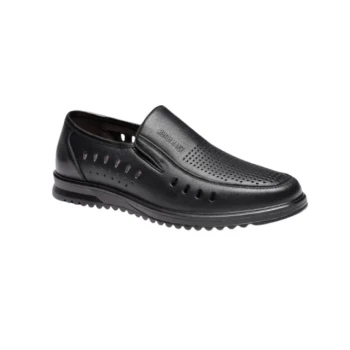
Breathable safety shoes and professional workwear are the first line of defense against physiological failure in high-heat environments. By utilizing efficient sweat-wicking and heat dissipation designs, these garments maintain temperature stability within the micro-environments surrounding the feet and body. This prevents the rapid accumulation of heat that drives core body temperatures to dangerous levels during high-intensity labor.
High-performance PPE does more than cover the body; it actively supports natural thermal regulation. By stabilizing the body's micro-climate, breathable gear mitigates the risks of heatstroke and reduces the systemic inflammation caused by physical strain.
Regulating the Body's Micro-Climate
The Science of Heat Dissipation
The human body generates immense heat during heavy labor, particularly in cargo loading or unloading tasks. Breathable safety shoes and workwear are engineered to facilitate heat dissipation.
Without this ventilation, heat becomes trapped against the skin. This trapped heat disrupts the body's ability to cool itself, leading to a rapid spike in core temperature—the primary precursor to heatstroke.
Managing Moisture and Wicking
Thermal comfort relies heavily on moisture management. High-quality workwear features sweat-wicking capabilities that pull moisture away from the skin.
When sweat accumulates without evaporating, the body's natural cooling mechanism fails. Breathable gear ensures that sweat can evaporate efficiently, maintaining a stable temperature within the clothing and footwear.
Reducing Systemic Physical Stress
Mitigating Muscle Damage
In environments where the Wet Bulb Globe Temperature (WBGT) exceeds 29°C, the physical toll of 6-8 hour shifts is compounded. High-quality industrial footwear provides essential structural support.
This support is critical for reducing muscle damage during strenuous activity. By stabilizing the foot and absorbing impact, the footwear minimizes the overall physical stress placed on the musculoskeletal system.
The Link to Renal Health
There is a direct correlation between muscle breakdown and internal organ health. Excessive muscle damage triggers systemic inflammatory responses.
These responses place a significant additional burden on the kidneys. By using gear that reduces physical strain and muscle damage, you indirectly protect renal health and lower the risk of exertion-related complications.
Understanding the Trade-offs
Breathability vs. Water Resistance
While maximum airflow is critical for heat prevention, highly breathable materials often sacrifice water resistance.
In environments with standing water or chemical spills, mesh-heavy safety shoes may allow liquids to penetrate, creating a different set of safety hazards.
Durability Concerns
To achieve high breathability, manufacturers often use lighter, porous materials.
In extremely abrasive environments, these materials may degrade faster than traditional, non-breathable leather or heavy rubber options. You must balance the need for cooling with the mechanical hazards of the specific job site.
Making the Right Choice for Your Workforce
To select the most effective PPE for your specific environment, consider the primary stressors your team faces.
- If your primary focus is preventing heatstroke: Prioritize footwear and clothing with high air permeability and moisture-wicking fabrics to maximize heat dissipation.
- If your primary focus is reducing fatigue and muscle strain: Ensure footwear offers superior arch support and cushioning to mitigate the physical impact of heavy loads.
- If your primary focus is long-shift endurance (6+ hours): Select gear that combines ventilation with lightweight construction to minimize energy expenditure over time.
Properly selected breathable gear is not an amenity; it is a critical component of physiological safety infrastructure.
Summary Table:
| Key Feature | Functional Benefit | Health & Safety Impact |
|---|---|---|
| High Air Permeability | Facilitates rapid heat dissipation | Prevents core temperature spikes and heatstroke |
| Moisture Wicking | Efficient sweat evaporation | Maintains micro-climate stability and skin health |
| Structural Support | Absorbs impact and stabilizes feet | Reduces muscle damage and systemic inflammation |
| Lightweight Design | Minimizes physical energy expenditure | Enhances endurance during 6+ hour high-heat shifts |
Maximize Workforce Safety with 3515 High-Performance Footwear
As a premier large-scale manufacturer serving global distributors and brand owners, 3515 provides specialized safety solutions designed for extreme working conditions. Our flagship Safety Shoes series incorporates advanced breathability and moisture-wicking technologies to protect laborers from heatstroke while ensuring long-shift comfort.
Beyond safety footwear, our comprehensive production capabilities extend to tactical boots, outdoor shoes, training sneakers, and professional Dress & Formal shoes. Partner with us to provide your customers with gear that balances thermal regulation with unmatched durability.
Ready to elevate your product line? Contact us today to discuss your bulk requirements.
References
- Maricla Marrone, Gerardo Cazzato. Heat Stroke in the Work Environment: Case Report of an Underestimated Phenomenon. DOI: 10.3390/ijerph20054028
This article is also based on technical information from 3515 Knowledge Base .
Related Products
- Lightweight Breathable Training Shoes for Wholesale & Custom OEM Manufacturing
- Custom OEM Training Shoes Wholesale Manufacturer Durable & Breathable
- Wholesale Breathable Training Shoes Custom Athletic Footwear Manufacturer
- Wholesale Durable & Breathable Training Shoes for Custom Brands
- Wholesale Breathable & Cushioned Training Shoes Custom Factory Production
People Also Ask
- Why are lightweight training shoes often preferred over professional hiking boots in urban walking? Maximize City Comfort
- What is the primary role of specialized training or orthopedic shoes? Enhance Safety in Elderly Balance Training
- Why are professional-grade training shoes essential for physical therapy? Ensure Patient Safety and Gait Stability
- Why are the slip-resistance and stability performance of training shoes critical in gait analysis? Ensure Data Accuracy
- Why is the use of flat-soled or professional training shoes essential for WBV? Maximize Vibration Energy Transfer