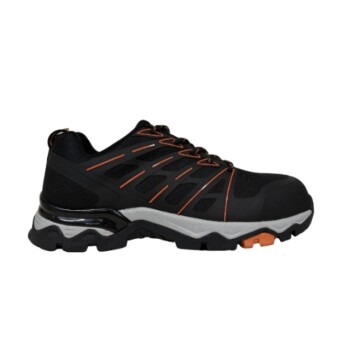
To improve worker compliance and reduce fatigue, professional safety shoes must prioritize three specific design features: breathability, lightweight construction, and ergonomic internal support. High-quality footwear addresses the root cause of reluctance—discomfort—by incorporating breathable linings and specialized shock-absorbing insoles. By mitigating the physical strain of long shifts, these features ensure that protective gear remains on the worker's feet rather than in the locker.
Discomfort is the primary driver of non-compliance in safety footwear. To ensure consistent usage and reduce physical strain, safety shoes must combine mandatory protection with high-performance comfort features like shock absorption and advanced ventilation.
The Pillars of Comfort-Driven Design
To solve the dual challenge of safety and compliance, you must look beyond the steel toe. The following features are essential for modern professional footwear.
Advanced Breathability
Heat accumulation is a leading cause of discomfort. Breathable lining materials are critical for regulating temperature inside the shoe.
By allowing air to circulate, these linings prevent moisture buildup and overheating. This feature directly combats the urge workers feel to remove their shoes for relief during a shift.
Lightweight Construction
Heavy footwear contributes significantly to leg and back strain over time. Prioritizing lightweight construction reduces the energy required for every step.
A lighter shoe minimizes the cumulative physical toll of moving around a job site. This reduction in weight helps maintain worker energy levels and focus throughout the day.
Ergonomic Internal Support
Standing for extended periods creates immense pressure on the feet and joints. Specialized shock-absorbing insoles provide the necessary foundation to counteract this stress.
These ergonomic features distribute body weight more evenly. By cushioning the impact of walking on hard surfaces, they significantly mitigate the deep fatigue associated with long shifts.
Understanding the Trade-offs
While prioritizing comfort enhances compliance, it requires a careful balance of design elements.
Balancing Weight and Durability
Pushing for the lightest possible shoe can sometimes compromise long-term durability in rugged environments.
Extremely lightweight synthetic materials may not offer the same abrasion resistance as heavier, traditional materials. You must ensure the lightweight features chosen are robust enough for the specific hazards of your workplace.
Making the Right Choice for Your Goal
Selecting the right footwear is about matching features to the specific pain points of your workforce.
- If your primary focus is improving compliance: Prioritize breathable linings and lightweight materials to eliminate the heat and weight that drive workers to remove their gear.
- If your primary focus is reducing fatigue: Invest in shoes with specialized shock-absorbing insoles to support the skeletal structure during extended periods of standing.
Investing in comfort is not just a luxury; it is a strategic decision to ensure safety protocols are followed.
Summary Table:
| Key Design Feature | Primary Benefit | Impact on Worker |
|---|---|---|
| Advanced Breathability | Moisture & heat regulation | Prevents overheating; increases compliance |
| Lightweight Materials | Reduced physical exertion | Minimizes leg/back strain; maintains energy |
| Ergonomic Support | Superior shock absorption | Even weight distribution; reduces deep fatigue |
| Strategic Linings | Improved airflow | Enhances comfort during long shifts |
Partner with 3515 for High-Performance Safety Solutions
As a large-scale manufacturer serving distributors and brand owners worldwide, 3515 offers comprehensive production capabilities for all footwear types. Our flagship Safety Shoes series is engineered to solve the toughest workplace challenges—balancing mandatory protection with the breathable, lightweight, and ergonomic features your customers demand.
From tactical boots and outdoor shoes to training sneakers and formal dress shoes, we provide the bulk manufacturing excellence needed to elevate your brand. Contact us today to discuss your custom production requirements and discover how our expertise can drive your business growth.
References
- Dadang Rustandi, Kasum Kasum. Analysis of Application of K3 in Cable Factories. DOI: 10.32832/jurma.v7i2.2609
This article is also based on technical information from 3515 Knowledge Base .
Related Products
- Premium Suede Sport Safety Shoes for Wholesale & Bulk Orders
- Premium Lightweight Safety Shoes for Wholesale & Bulk Orders
- Wholesale Anti-Smash & Puncture-Proof Safety Shoes Custom Manufacturing for Brands
- Premium KPU Injection Athletic Style Safety Shoes
- Premium Safety Shoes with Rotating Buckle Safety Sneakers
People Also Ask
- What industries have specific OSHA footwear requirements? Ensure Compliance & Protect Your Workforce
- What are the primary functions of professional safety shoes? Maximize Safety in Water Supply Confined Spaces
- What role do specialized safety shoes play in preventing falls? Engineering Stability in Industrial Environments
- What core functions do professional safety shoes serve? Enhance Construction & Industrial Safety Standards
- Why should ergonomics and comfort be prioritized when selecting safety shoes? Boost Compliance & Worker Health