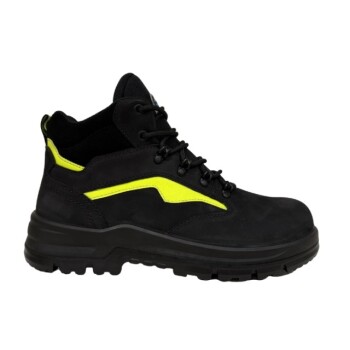
Anti-slip outsole technology secures grip by combining specialized rubber formulations with engineered drainage patterns to physically alter how the shoe interacts with the floor. Instead of floating on top of a spill, the outsole channels fluids away to maximize surface contact, directly addressing the physics of friction in hazardous environments.
By dispersing liquid films and increasing the static friction coefficient, these outsoles prevent the loss of balance on oily or water-logged surfaces. This technology converts a potential slip hazard into a stable platform, protecting workers from acute injuries and long-term strain.
The Engineering Behind the Grip
Dispersing the Liquid Film
The primary danger on industrial floors is not the floor itself, but the layer of liquid (oil or water) that sits on top of it. Complex multi-directional drainage patterns are carved into the outsole to combat this. These patterns act similarly to tire treads, rapidly channeling liquid away from the sole to prevent hydroplaning.
Increasing the Static Friction Coefficient
Once the liquid is displaced, the shoe must grip the substrate. Manufacturers utilize specific rubber formulations designed to maximize the static friction coefficient—the force required to initiate movement between two surfaces. This ensures that once the rubber makes contact with the floor, it holds fast rather than sliding.
Maximizing Contact Area
Grip is largely a function of how much surface area connects with the ground. By removing the liquid barrier, the outsole significantly increases the effective contact area between the shoe and the floor. This allows the specialized rubber to engage fully with the surface, providing reliable traction even in complex environments like welding zones.
Impact on Worker Physiology
Maintaining Gait Stability
Slipping does not always result in a fall; often, it results in sudden, jerking movements to correct balance. Anti-slip technology ensures gait stability, preventing the micro-slips that lead to sprains and musculoskeletal stress. This stability is critical for preventing falls caused by a sudden loss of balance on smooth or slick surfaces.
Reducing Fatigue Through Shock Absorption
While grip prevents falls, the internal structure of the outsole addresses endurance. Many anti-slip safety shoes incorporate heel dampers and shock-absorbing materials. These components alleviate physical pressure on the feet and spine, which is vital during prolonged standing or shifts on hard industrial floors.
Common Pitfalls to Avoid
The "All-Purpose" Misconception
Not all "anti-slip" shoes are effective against every contaminant. A rubber formulation designed for water may degrade or lose traction when exposed to industrial oils or chemicals. You must match the specific rubber formulation to the specific liquids present in your workspace.
The Maintenance Requirement
The mechanism of grip relies entirely on the drainage patterns remaining open. If the treads become clogged with mud, grease, or debris, the liquid cannot be dispersed. Without regular cleaning, even the most advanced anti-slip outsole loses its ability to increase the contact area, rendering the safety features useless.
Making the Right Choice for Your Goal
Selecting the correct safety footwear requires analyzing your specific environmental risks.
- If your primary focus is liquid hazards (oil/water): Prioritize outsoles with deep, multi-directional drainage patterns and rubber compounds specifically rated for the fluids in your facility.
- If your primary focus is worker endurance: Ensure the footwear includes heel dampers and shock-absorbing materials to reduce spinal pressure and fatigue during long shifts.
True safety is achieved when advanced grip technology is paired with ergonomic support to sustain worker focus and productivity.
Summary Table:
| Feature | Technical Mechanism | Primary Benefit |
|---|---|---|
| Drainage Patterns | Multi-directional channels (treads) | Disperses liquid films to prevent hydroplaning |
| Rubber Formulation | High static friction coefficient compounds | Maximizes grip on oily and water-logged surfaces |
| Contact Area | Enhanced surface-to-floor engagement | Provides a stable platform in complex environments |
| Ergonomic Design | Heel dampers and shock absorption | Maintains gait stability and reduces worker fatigue |
Secure Your Workforce with 3515’s Advanced Footwear Solutions
As a large-scale manufacturer serving distributors and brand owners, 3515 offers comprehensive production capabilities for all footwear types. Our flagship Safety Shoes series is engineered with industry-leading anti-slip technology to provide maximum stability and comfort in the most demanding industrial environments.
Whether you need robust work and tactical boots, outdoor shoes, or high-performance sneakers, we deliver bulk solutions tailored to your brand’s quality standards. Contact us today to discuss how our manufacturing expertise can elevate your product line and provide your customers with the ultimate protection and durability.
References
- Alberto Arceri, Cesare Faldini. Safety Footwear Impact on Workers’ Gait and Foot Problems: A Comparative Study. DOI: 10.3390/clinpract14040120
This article is also based on technical information from 3515 Knowledge Base .
Related Products
- Advanced KPU Athletic Safety Shoe with Steel Toe Cap Anti-Slip Rotary Lacing System
- Wholesale Premium Waterproof Nubuck Safety Shoes Boots
- Premium Suede Sport Safety Shoes for Wholesale & Bulk Orders
- Wholesale Anti-Smash & Puncture-Proof Safety Shoes Custom Manufacturing for Brands
- Heavy-Duty Waterproof Nubuck Safety Boots Safety Shoes for Bulk Supply
People Also Ask
- What are the key differences between steel toe and composite toe caps? Choose the Right Safety for Your Job
- What impact do steel toe caps have on toe skin health? Prevent Friction and Pressure in Your Safety Shoes
- What are the primary protective functions of safety shoes with steel toes in the automotive repair industry?
- What type of safety shoe is recommended for workers exposed to heavy machinery? Steel Toe Boots for Ultimate Protection
- How does defining specific friction interface models in FEA assist in predicting safety shoe toe cap failure modes?