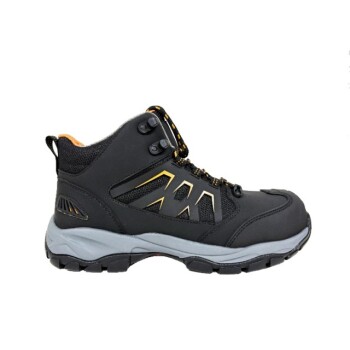
Orthopedic decompression protective footwear operates on the fundamental principle of optimizing the shoe's physical structure to align with the foot's specific anatomical shape and plantar pressure distribution. The primary design goal is to achieve effective decompression by redistributing local pressure away from high-risk areas, thereby reducing the mechanical load that leads to ulceration.
The core function of this footwear is not just protection, but active mechanical intervention. By strategically modifying internal and external structures, it compensates for physiological vulnerabilities to prevent the skin breakdown that precedes diabetic foot ulcers.
The Core Mechanism: Pressure Redistribution
Optimizing Plantar Pressure
The most critical aspect of the design is the management of weight distribution across the sole of the foot.
The footwear is engineered based on a specific map of the patient's plantar pressure.
Strategic Decompression
The structure functions to offload weight from vulnerable pressure points.
By shifting mechanical stress to areas better equipped to handle the load, the shoe prevents the sustained compression that kills tissue.
Internal and External Modification
To achieve this decompression, the physical structure of the shoe is modified inside and out.
This involves altering the geometry of the sole and the interior lining to create a safe environment for the foot.
Protection Against Environmental Hazards
Mechanical Impact Protection
Beyond pressure management, the footwear serves as a shield against external trauma.
High-performance safety shoes provide a barrier against accidental scratches, compression from falling objects, and thermal friction.
Compensating for Sensory Loss
This protection is vital for patients with Loss of Protective Sensation (LOPS).
Because these patients lack the sensory feedback to feel pain, the footwear must prevent injuries that would otherwise go unnoticed until they become infected ulcers.
Understanding the Trade-offs
The Necessity of Precision
Generic "comfort" shoes are often insufficient for true medical prevention.
Effective intervention requires a precise fit and foot support that matches the patient's unique biomechanics. A poor fit can create new pressure points rather than relieving them.
The Role of Custom Orthotics
The footwear itself provides the external structure, but it often relies on internal orthotics for maximum efficacy.
Consultation with professional orthotists is frequently required to design devices that correct abnormal gait.
Without this customized geometric support, the structural root causes of ulcers may remain unaddressed, hindering effective healing.
Making the Right Choice for Your Prevention Strategy
To select the most effective protective footwear, you must prioritize the specific needs of the patient's condition.
- If your primary focus is offloading high-pressure areas: Prioritize footwear designs that explicitly feature internal and external structural modifications based on plantar pressure distribution.
- If your primary focus is protecting an insensate foot (LOPS): Ensure the footwear offers high-performance mechanical barriers against scratches, thermal friction, and impact.
- If your primary focus is correcting gait abnormalities: Combine the protective footwear with customized orthotic consultation to address the biomechanical root causes of injury.
True prevention relies on treating the footwear as a precision medical tool tailored to the anatomy of the foot.
Summary Table:
| Design Principle | Core Mechanism | Primary Benefit |
|---|---|---|
| Pressure Redistribution | Plantar pressure mapping & offloading | Reduces mechanical load on high-risk areas |
| Structural Modification | Internal & external geometry alteration | Creates a safe, decompressed foot environment |
| Mechanical Protection | Hardened barriers & friction reduction | Protects LOPS patients from trauma & heat |
| Biomechanical Alignment | Custom orthotic integration | Corrects abnormal gait to prevent skin breakdown |
Partner with 3515 for Advanced Protective Footwear Solutions
As a large-scale manufacturer serving global distributors and brand owners, 3515 offers comprehensive production capabilities for all footwear types. We specialize in our flagship Safety Shoes series, engineered to meet the rigorous demands of medical and industrial protection. Our extensive portfolio includes work and tactical boots, outdoor shoes, training shoes, sneakers, and formal dress shoes, ensuring we can meet your diverse bulk requirements with precision and scale.
Whether you are looking to expand your orthopedic line or require high-performance safety footwear, we provide the manufacturing excellence you need to protect your end-users and grow your brand.
Ready to elevate your inventory? Contact us today to discuss your bulk manufacturing needs!
References
- Yiru Wang, Wen Qin. Perceptions of protective shoes and recommendations from patients with diabetic foot ulcers. DOI: 10.35772/ghm.2023.01029
This article is also based on technical information from 3515 Knowledge Base .
Related Products
- Wholesale Customizable Safety Boots Durable & Protective Footwear Manufacturing
- Premium Grain Leather Safety Boots for Bulk Supply
- Durable Steel Toe Safety Boots Wholesale & Custom Manufacturing
- Custom Safety Shoe Manufacturer for Wholesale & OEM Brands
- Premium Suede Sport Safety Shoes for Wholesale & Bulk Orders
People Also Ask
- Why are industrial safety boots with steel toes necessary for machine operators? Essential Foot Protection for Safety
- What is the history of steel toe work boots? From German Invention to Modern Safety Standard
- What are the different types of steel toe work boots? Choose the Right Boot for Your Job
- What are the pros and cons of steel toe work boots? A Guide to Maximum Protection vs. Comfort
- What common features do safety toe work boots share regardless of style? Essential Protection Explained