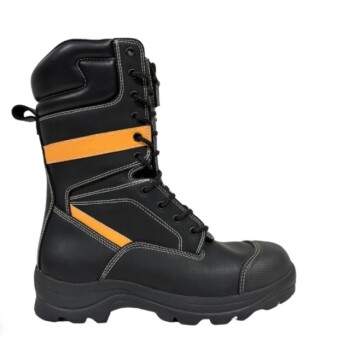
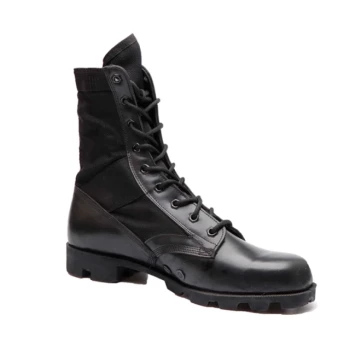
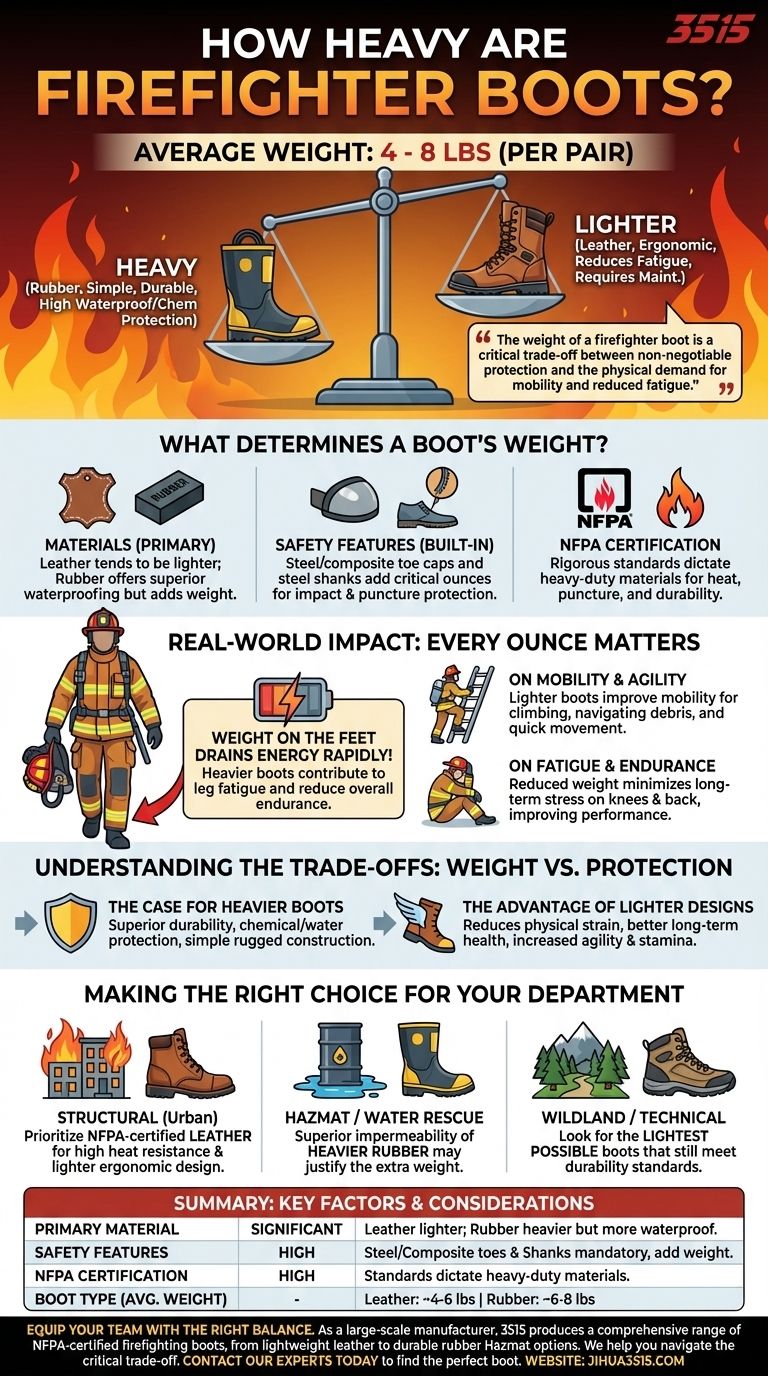
On average, a pair of firefighter boots weighs between 4 and 8 pounds. This weight varies significantly based on the boot's material—with traditional rubber boots often being heavier than modern leather alternatives—and the specific safety features integrated into its design.
The weight of a firefighter boot is not an arbitrary number; it is the direct result of a critical trade-off between the non-negotiable need for protection against extreme hazards and the physical demand for mobility and reduced fatigue on the fire ground.
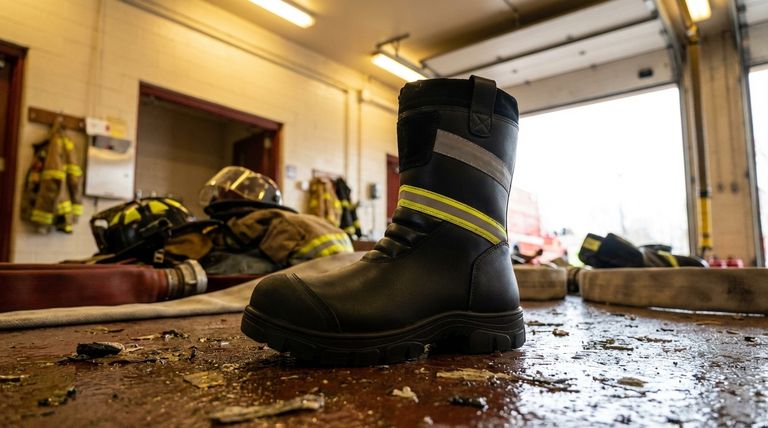
What Determines a Boot's Weight?
A boot's final weight is a sum of its parts, each chosen to meet stringent safety standards while providing a specific function.
The Role of Materials: Leather vs. Rubber
The primary material is the most significant factor. Rubber boots are known for excellent waterproof and chemical protection, but this often comes with increased weight and less flexibility.
Leather boots tend to be lighter and offer a more anatomical fit, which can improve comfort and reduce fatigue over long incidents. However, they require regular maintenance to preserve their water resistance.
Built-in Safety Features
Modern boots are packed with protective components. A steel or composite toe cap is standard for impact protection, as is a puncture-resistant steel shank in the sole. Each of these adds critical ounces to the final weight.
NFPA Certification Requirements
To be used in structural firefighting, boots must meet the rigorous standards set by the National Fire Protection Association (NFPA). These standards dictate requirements for heat resistance, puncture resistance, and overall durability, influencing the heavy-duty materials and construction methods used.
The Real-World Impact of Boot Weight
Every ounce matters when you're carrying over 50 pounds of gear and performing strenuous tasks. The weight on your feet has a disproportionate effect on your overall energy expenditure.
On Mobility and Agility
Lighter boots can make a noticeable difference when climbing ladders, navigating cluttered debris fields, or moving quickly during search and rescue operations. Reduced weight translates directly to less effort required for each step.
On Fatigue and Endurance
Studies have shown that weight on the feet drains energy far more rapidly than weight carried on the torso. Over the course of a long incident, heavier boots contribute significantly to leg fatigue and can reduce a firefighter's overall endurance and effectiveness.
Understanding the Trade-offs: Weight vs. Protection
Choosing a boot is not as simple as picking the lightest option. The central conflict is balancing the need for protection with the desire for comfort and reduced fatigue.
The Case for Heavier Boots
Often, heavier boots, particularly traditional rubber models, offer superior durability and protection against water and hazardous chemicals. Their simpler, more rugged construction can withstand abuse that might compromise a more complex leather boot over time.
The Advantage of Lighter Designs
The primary advantage of lighter boots is the reduction in physical strain. This can lead to better long-term health by minimizing stress on the knees and back, and it can improve performance and safety by increasing a firefighter's agility and stamina on scene.
Making the Right Choice for Your Department
Selecting the appropriate boot depends entirely on your specific role, typical incident types, and departmental priorities.
- If your primary focus is structural firefighting in urban environments: Prioritize NFPA-certified leather boots that balance high heat resistance with a more ergonomic, lighter design to reduce fatigue.
- If your primary focus is hazardous materials or extensive water-related rescue: The superior impermeability of a heavier rubber boot may be the most critical factor, justifying the extra weight.
- If your primary focus is wildland firefighting or technical rescue: Look for the lightest possible boots that still meet durability standards, as long-duration walking and climbing make weight a paramount concern.
Ultimately, the best boot is one that provides the necessary protection for your specific job without needlessly draining your energy.
Summary Table:
| Factor | Impact on Weight | Key Considerations |
|---|---|---|
| Primary Material | Significant | Leather boots are generally lighter; rubber offers superior waterproofing but adds weight. |
| Safety Features | High | Steel/composite toes and puncture-resistant shanks are mandatory but add ounces. |
| NFPA Certification | High | Required standards for heat/puncture resistance dictate heavy-duty materials. |
| Boot Type (Avg. Weight) | - | Leather Boots: ~4-6 lbs |
Equip Your Team with the Right Balance of Protection and Performance
As a firefighter, every ounce on your feet counts. The wrong boot can lead to premature fatigue and reduced effectiveness on scene. As a large-scale manufacturer, 3515 produces a comprehensive range of NFPA-certified footwear for distributors, brand owners, and bulk clients. Our production capabilities encompass all types of safety boots and boots, from lightweight leather structural firefighting models to durable rubber Hazmat options.
We help you navigate the critical trade-off between protection and weight, ensuring your department is equipped with boots that meet your specific operational needs without compromising safety.
Ready to find the perfect boot for your team? Contact our experts today to discuss your requirements and request samples.
Visual Guide
Related Products
- High Performance Fire-Retardant Waterproof Safety Boots
- Premium Flame-Retardant Waterproof Safety Boots and Shoes
- Durable Military Combat Boots with Water Drainage for Wholesale & OEM
- Wholesale Lightweight Tactical Boots Custom Manufacturer for Desert & Combat Use
- High-Traction Suede Tactical Boots Wholesale & Custom Manufacturing
People Also Ask
- Why are waterproof safety boots recommended for certain work environments? Essential Protection for Wet & Hazardous Jobs
- What roles do 3D vision systems and industrial robots play in the manufacturing of fire safety boots? Smart Automation
- What is the advantage of one-piece construction in waterproof boots? Unbeatable Seamless Protection
- What materials make waterproof boots durable? The Ultimate Guide to Long-Lasting Footwear
- What is the difference between waterproof, water-resistant, and water-repellent boots? Choose the Right Protection for Your Feet