The selection of personal protective equipment (PPE) requires a precise identification of operational risks rather than a generic approach. To ensure safety, you must map specific hazards—such as electrical currents, falling debris, or high-altitude exposure—directly to equipment designed with the corresponding protective attributes. This establishes an effective final barrier between the worker and the environment.
The most common failure in safety planning is treating PPE as a uniform solution. True protection is achieved only when equipment is granularly matched to physical, chemical, and mechanical risks to ensure stable performance throughout the product's service life.
Mapping Gear to Operational Risks
Addressing High-Altitude Hazards
For workers operating at heights, standard gear is insufficient. The primary risk is falling, which necessitates the use of safety belts paired with shock absorbers. This combination manages the kinetic energy of a fall, preventing severe injury.
Mitigating Impact and Falling Objects
In zones where debris or materials may drop from above, safety helmets are non-negotiable. Similarly, environments involving heavy lifting require footwear with steel toes to protect against crushing injuries.
Managing Electrical Dangers
Electrical work demands rigorous specificity. Workers must use gloves that carry the appropriate insulation rating for the voltage they are handling. This should be complemented by insulated shoes to ground the safety system effectively.
The Nuance of Specialized Footwear
Environment-Specific Selection
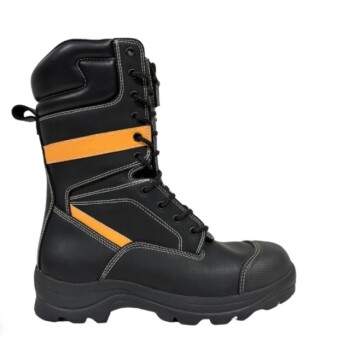
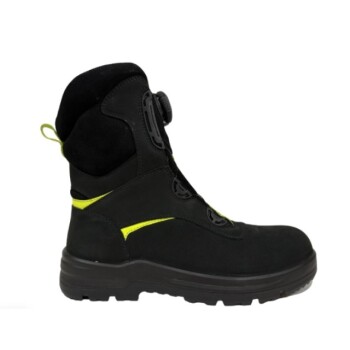
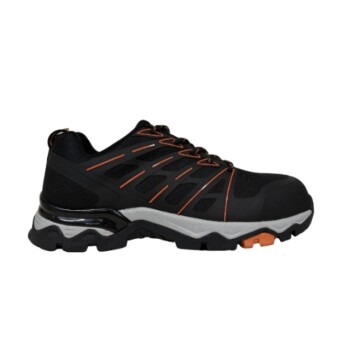
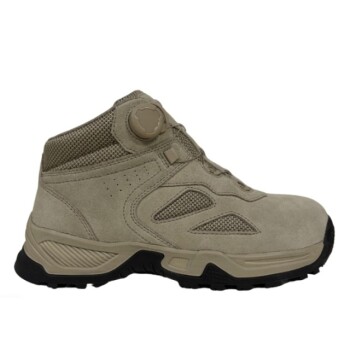
Foot protection is often complex because different environments present unique threats. A shoe designed for high-altitude work requires different attributes than one designed for chemical exposure or high-heat environments.
Internal Protective Components
To address these variations, safety footwear incorporates specialized components. Anti-puncture midsoles protect against sharp objects on the ground, while anti-static materials are essential in volatile environments.
Thermal and Chemical Resistance
For extreme conditions, footwear must feature high-temperature resistant outsoles or chemical-resistant materials. Precise alignment between these attributes and the job site ensures the gear remains protective over its full service life.
Common Pitfalls in Selection
The Risk of Generalization
A major pitfall is assuming one type of PPE covers all scenarios. Using a standard work glove for electrical tasks or a general safety boot in a high-heat zone compromises the final safety barrier, leaving the worker vulnerable.
Ignoring Environmental Degradation
If the protective attributes of the gear do not match the environment (e.g., wearing standard boots in chemical spills), the equipment will fail prematurely. This leads to a false sense of security where the user believes they are protected when the gear has already been compromised.
Making the Right Choice for Your Project
To implement a robust safety protocol, assess your site's specific needs against the available equipment ratings.
- If your primary focus is electrical work: Prioritize gloves with precise insulation ratings and combine them with insulated footwear.
- If your primary focus is high-altitude construction: Ensure workers are equipped with safety belts that include shock absorbers.
- If your primary focus is heavy industrial zones: Select footwear with steel toes and anti-puncture midsoles to combat mechanical risks.
- If your primary focus is volatile environments: Mandate the use of anti-static materials and chemical-resistant gear.
By matching the equipment's engineering to the site's specific physical and chemical realities, you transform PPE from a compliance checklist into a reliable life-saving system.
Summary Table:
| Risk Category | Potential Hazard | Recommended PPE Feature |
|---|---|---|
| High-Altitude | Falls & Kinetic Impact | Safety belts with shock absorbers |
| Mechanical | Falling objects & Crushing | Steel-toe footwear & safety helmets |
| Electrical | Electric shocks & Grounding | Insulated gloves (voltage-rated) & insulated shoes |
| Subsurface | Sharp objects & Punctures | Anti-puncture midsoles |
| Environmental | Volatile areas & Heat | Anti-static materials & high-temp outsoles |
Secure Your Workforce with Specialized Safety Solutions
As a large-scale manufacturer serving distributors and brand owners, 3515 offers comprehensive production capabilities for all footwear types, anchored by our flagship Safety Shoes series.
Our extensive portfolio covers work and tactical boots, outdoor shoes, training shoes, and sneakers, as well as Dress & Formal shoes to meet your diverse bulk requirements. By partnering with us, you gain access to precision-engineered gear designed to withstand the most rigorous construction environments.
Ready to elevate your safety standards? Contact us today to discuss your specific site risks and receive a tailored manufacturing proposal.
References
- Risgiyanto Risgiyanto, Trisya Septiana. Penerapan Penggunaan Alat Pelindung Diri (APD) Sebagai Upaya Perlindungan Dalam Pelaksanaan Pembangunan Gedung Pemerintah di Pemerintahan Kabupaten Way Kanan. DOI: 10.23960/snip.v2i2.232
This article is also based on technical information from 3515 Knowledge Base .
Related Products
- Premium Flame-Retardant Waterproof Safety Boots and Shoes
- Premium High-Cut Waterproof Safety Boots Manufacturing & Wholesale Solutions
- Heavy-Duty Waterproof Nubuck Safety Boots Safety Shoes for Bulk Supply
- Advanced KPU Athletic Safety Shoe with Steel Toe Cap Anti-Slip Rotary Lacing System
- Premium Waterproof High-Cut Industrial Safety Boots for Wholesale and Bulk Orders
People Also Ask
- Why are waterproof safety boots recommended for certain work environments? Essential Protection for Wet & Hazardous Jobs
- What materials are commonly used in waterproof boots? The Complete Guide to Durable, Breathable Protection
- How does boot construction affect waterproofing? The Science Behind Truly Dry Feet
- What should you look for to ensure boots are fully waterproof? The Essential 2-Part System
- What is the advantage of one-piece construction in waterproof boots? Unbeatable Seamless Protection