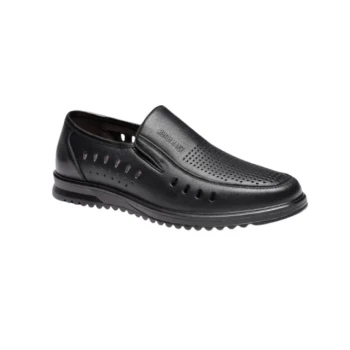
Breathable Safety Shoes serve as a primary preventative measure against Pitted Keratolysis by actively regulating the microclimate surrounding the foot. Through the use of specific materials and structural ventilation, these shoes facilitate moisture evaporation and maintain the skin’s natural pH balance, creating an environment hostile to the bacteria responsible for infection.
Pitted Keratolysis is a bacterial infection that requires a damp, airless environment to survive. Breathable Safety Shoes disrupt the biological conditions necessary for this infection by reducing moisture accumulation and physically inhibiting the growth of pathogens like Kytococcus sedentarius.
The Biological Mechanism of Infection
The Danger of Occlusion
Pitted Keratolysis is fundamentally caused by a combination of excessive foot perspiration and the use of occlusive footwear.
When safety shoes lack ventilation, they trap heat and sweat against the skin. This creates a "greenhouse effect" inside the boot that softens the skin's outer layer (the stratum corneum).
The Bacterial Agents
In this warm, damp environment, specific bacteria proliferate rapidly.
The primary culprits are Kytococcus sedentarius and Dermatophilus congolensis. These bacteria produce enzymes that digest the softened skin, resulting in the characteristic "pitted" appearance and foul odor associated with the condition.
How Breathability Mitigates Risk
Structural Ventilation
Breathable Safety Shoes are engineered with porous materials or mesh panels that allow air to circulate.
This airflow ensures that sweat is wicked away from the skin and vented to the outside as vapor. By removing the moisture source, the shoes starve the bacteria of the aqueous environment they need to multiply.
Stabilizing Skin pH
Prolonged exposure to trapped sweat significantly alters the pH balance of the foot’s skin.
A shift in pH compromises the skin's natural protective barrier, making it more susceptible to bacterial colonization. Breathable footwear helps maintain a stable, natural pH by keeping the skin surface dry.
Understanding the Trade-offs
The Limits of Prevention
While breathable shoes are essential for prevention, they are not a medical cure.
If an infection is already deeply established, changing footwear alone may not resolve the issue without medical treatment. The shoes act as a shield against recurrence and worsening, not a pharmaceutical remedy.
Environmental Suitability
Maximum breathability often means reduced water resistance.
If your work environment involves standing in deep water or handling hazardous liquids, highly ventilated shoes may allow fluids to penetrate. In these cases, the risk of external contamination must be weighed against the risk of internal perspiration.
Making the Right Choice for Your Health
Selecting the correct safety footwear requires balancing protection with hygiene requirements.
- If your primary focus is preventing infection in hot environments: Prioritize shoes with extensive mesh uppers and structural ventilation to maximize airflow and moisture evaporation.
- If your primary focus is managing excessive sweating (Hyperhidrosis): Pair breathable safety shoes with moisture-wicking socks to physically remove sweat from the skin surface before it can degrade.
Control the environment inside your boot, and you control the health of your feet.
Summary Table:
| Feature | Impact on Foot Health | Role in Preventing Infection |
|---|---|---|
| Structural Ventilation | Facilitates continuous airflow | Evaporates sweat to starve bacteria of moisture |
| Moisture Wicking | Reduces skin maceration | Prevents softening of the stratum corneum |
| pH Stabilization | Maintains natural skin barrier | Creates a hostile environment for Kytococcus sedentarius |
| Temperature Control | Reduces internal heat buildup | Disrupts the "greenhouse effect" inside the boot |
Secure Your Workforce with Premium Protective Footwear
Don't let bacterial infections compromise your team's productivity and health. As a leading large-scale manufacturer serving global distributors and brand owners, 3515 delivers high-performance footwear engineered for maximum breathability and durability.
Our comprehensive production capabilities allow us to offer tailored solutions across our flagship Safety Shoes series, tactical boots, and outdoor footwear. We help you provide the ultimate protection against occupational health risks like Pitted Keratolysis through advanced material science and structural ventilation.
Partner with 3515 to elevate your product line or equip your workforce with industry-leading quality.
Contact Us Today to Discuss Bulk Requirements
References
- Bettina Schweitzer, György Schneider. Antibacterial Effect of Lemongrass (Cymbopogon citratus) against the Aetiological Agents of Pitted Keratolyis. DOI: 10.3390/molecules27041423
This article is also based on technical information from 3515 Knowledge Base .
Related Products
- Lightweight Breathable Training Shoes for Wholesale & Custom OEM Manufacturing
- Custom OEM Training Shoes Wholesale Manufacturer Durable & Breathable
- Wholesale Breathable Training Shoes Custom Athletic Footwear Manufacturer
- Wholesale Durable & Breathable Training Shoes for Custom Brands
- Wholesale Breathable & Cushioned Training Shoes Custom Factory Production
People Also Ask
- Why are lightweight training shoes often preferred over professional hiking boots in urban walking? Maximize City Comfort
- What is the primary role of specialized training or orthopedic shoes? Enhance Safety in Elderly Balance Training
- Why are professional-grade training shoes essential for physical therapy? Ensure Patient Safety and Gait Stability
- Why are the slip-resistance and stability performance of training shoes critical in gait analysis? Ensure Data Accuracy
- Why is the use of flat-soled or professional training shoes essential for WBV? Maximize Vibration Energy Transfer