Blog
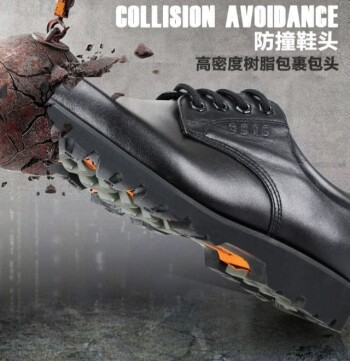
How Safety Footwear Defeats Extreme Workplace Hazards: A Science-Backed Guide
1 year agoScience-backed safety footwear combats extreme workplace hazards—from molten metal to Arctic cold—with engineered heat resistance, insulation, and traction.
Learn More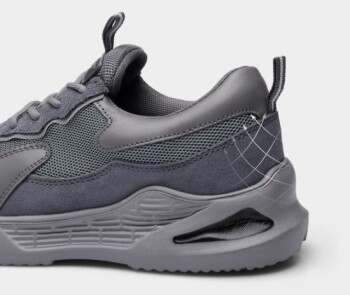
How Waterproof Membranes in Safety Footwear Prevent Injuries and Boost Productivity
1 year agoWaterproof membranes in safety footwear prevent injuries, boost productivity, and combat foot diseases in wet industries. Learn key benefits and standards.
Learn More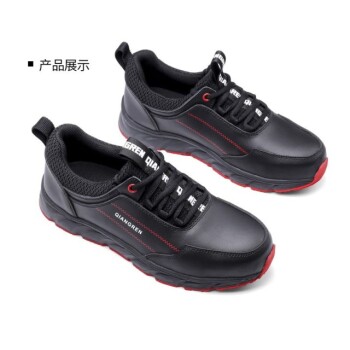
How to Optimize OSHA Footwear Compliance for Workplace Safety and Legal Protection
1 year agoLearn how to optimize OSHA footwear compliance for workplace safety and legal protection with actionable strategies and hazard-specific features.
Learn More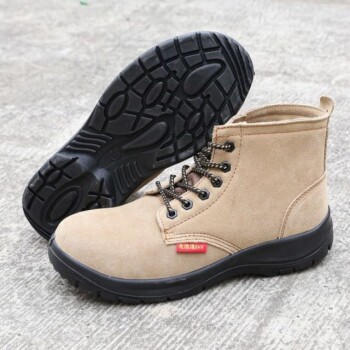
How Work Boots Engineer Safety: The Science Behind Impact and Compression Protection
1 year agoDiscover how work boots protect against impacts & compression with steel/composite toes, ASTM-certified designs, and shock-absorbing midsoles.
Learn More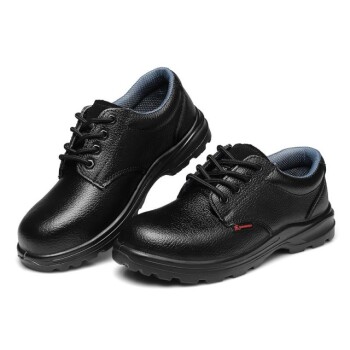
How to Choose Safety Footwear That Actually Protects Against Workplace Hazards
1 year agoLearn how to choose safety footwear that protects against workplace hazards like crush injuries, chemicals, and slips. Industry-specific tips included.
Learn More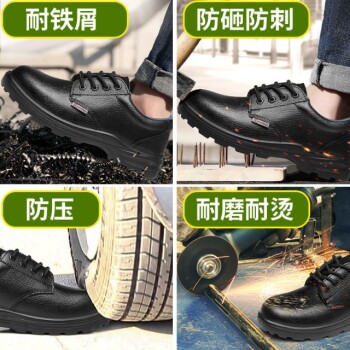
How Safety Boot Engineering Protects Against Workplace Hazards: A Buyer's Guide
1 year agoLearn how safety boot engineering protects against workplace hazards like electrical risks, chemicals, and slips. Essential guide for bulk buyers.
Learn More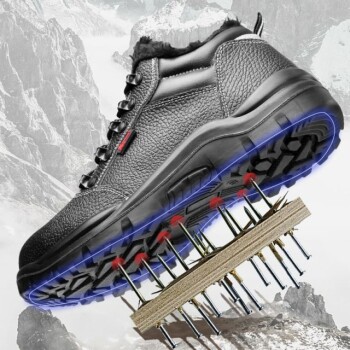
How Protective Footwear Prevents Workplace Injuries and Meets Safety Standards
1 year agoLearn how protective footwear prevents workplace injuries, meets ASTM/EN safety standards, and reduces risks like crush injuries, slips, and electrical hazards.
Learn More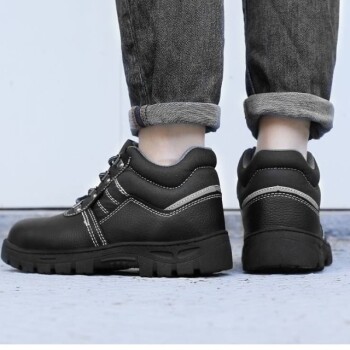
How to Choose Between Weather-Resistant and Waterproof Safety Boots for Your Work Environment
1 year agoLearn the differences between weather-resistant and waterproof safety boots to choose the right protection for your work environment.
Learn More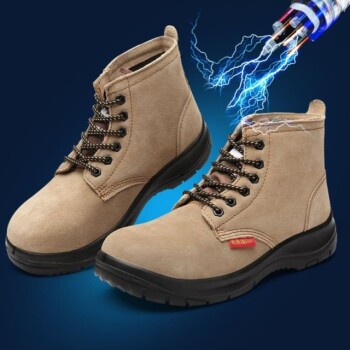
How to Choose Electrical Hazard Work Boots: A Safety Guide for High-Risk Jobs
1 year agoLearn how to choose electrical hazard (EH) and static dissipative (SD) work boots for high-risk jobs. Safety guide with industry standards.
Learn More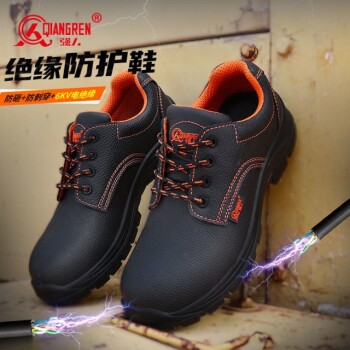
How to Choose Safety Footwear: Aligning Standards with Workplace Hazard Analysis
1 year agoLearn how to choose OSHA, CSA & ISO-compliant safety footwear based on workplace hazards—prevent injuries in construction, manufacturing & more.
Learn More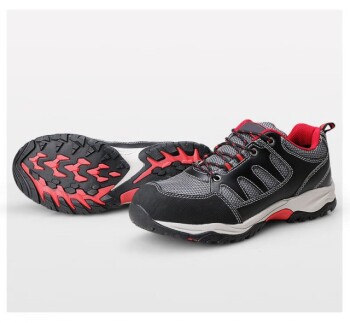
How Safety Shoe Innovations and Rigorous Testing Ensure Compliance with Global Standards
1 year agoExplore how safety shoe innovations and rigorous testing ensure compliance with global standards like ASTM F2413 and EN ISO 20345 for workplace safety.
Learn More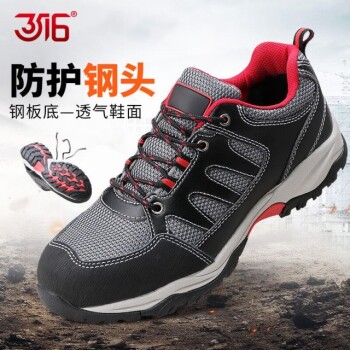
How Safety Boot Engineering and Certifications Prevent Oilfield Injuries
1 year agoLearn how ASTM-certified safety boots prevent oilfield injuries with impact-resistant toes, slip-proof soles, and extreme-temperature insulation.
Learn More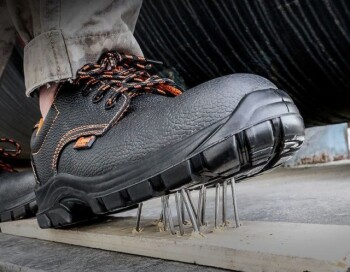
How ASTM-Compliant Boot Materials Balance Safety and Comfort for Workers
1 year agoLearn how ASTM-compliant boot materials balance safety and comfort for workers in high-risk industries like construction and electrical work.
Learn More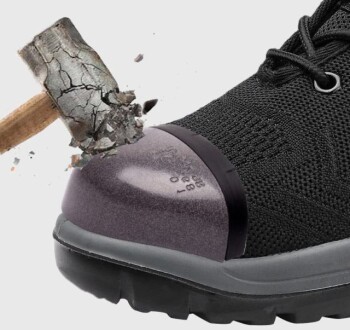
How AS/NZS Safety Standards Protect Workers: Decoding Compliance for Steel Cap Boots
1 year agoLearn how AS/NZS 2210.3 & 2210.5 safety standards for steel cap boots protect workers in mining, construction & manufacturing. Avoid compliance risks.
Learn More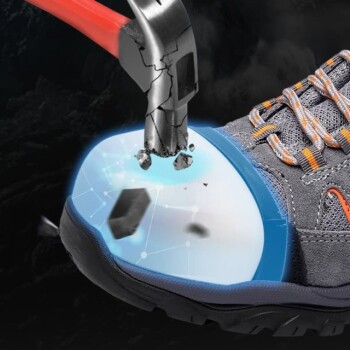
How Safety Boots Engineer Cutting Resistance: Materials, Standards, and Real-World Protection
1 year agoLearn how safety boots protect against cutting hazards with Kevlar, metal toes, and ASTM/ISO standards. Essential for construction, logging & warehousing.
Learn More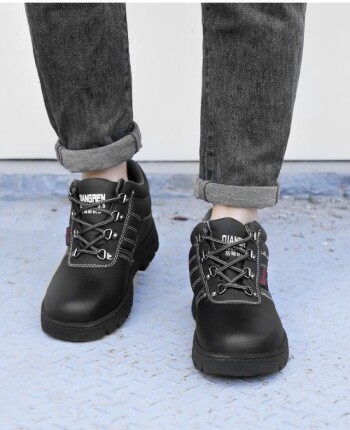
How to Decode Safety Labels for Boots That Truly Protect Against Workplace Hazards
1 year agoLearn how to decode safety boot labels to protect against workplace hazards like electrical shocks, slips, and impacts. Match certifications to your industry risks.
Learn More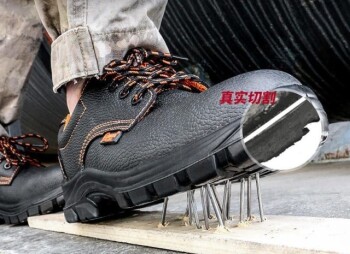
Decoding Safety Boot Terminology: How Industry Jargon Impacts Workplace Safety
1 year agoUnderstand safety boot jargon like 'steel caps' & 'EH-rated' to ensure workplace compliance. Learn how terminology impacts protection & standards.
Learn More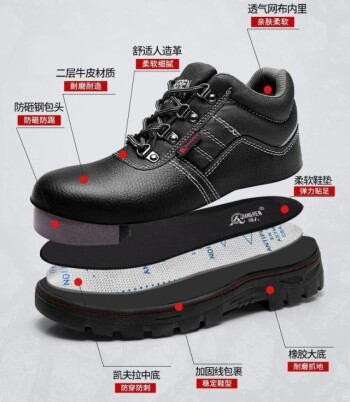
How to Extend Work Boot Lifespan: Science-Backed Care for Safety & Savings
1 year agoScience-backed tips to extend work boot lifespan: material-specific care, drying techniques & OSHA-compliant maintenance for safety & savings.
Learn More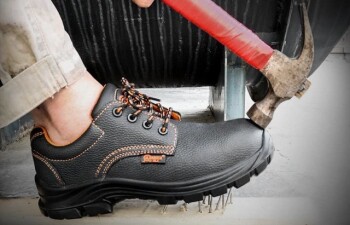
How Steel-Sole PVC Boots Combine Safety and Durability in Industrial Settings
1 year agoSteel-reinforced PVC boots offer unmatched safety & durability for industrial settings. Learn how they meet ASTM F2413 & ISO 20345 standards.
Learn More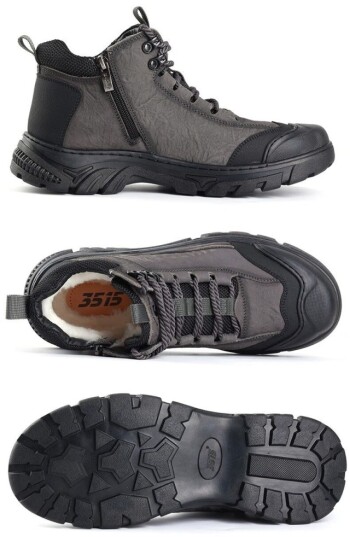
How Zip-Up Work Boots Combine Speed with Industrial Safety Standards
1 year agoZip-up work boots combine speed with industrial safety standards, offering rapid donning, durability, and compliance with ASTM safety requirements.
Learn More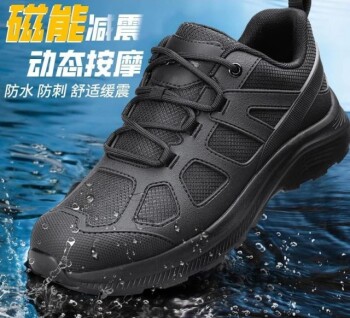
How Waterproof Membranes in Safety Footwear Prevent Workplace Injuries and Protect Health
1 year agoLearn how waterproof membranes in safety footwear prevent slips, infections, and injuries while meeting OSHA standards for workplace safety.
Learn More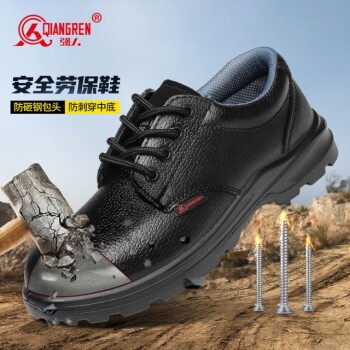
Steel-Toe vs. Composite-Toe Boots: How to Choose the Right Safety Footwear for Your Job
1 year agoCompare steel-toe vs. composite-toe boots for workplace safety. Learn which suits heavy industry, electrical hazards, or extreme temperatures best.
Learn More
Why Alloy-Toe Boots Outperform Traditional Safety Footwear for Active Workers
1 year agoDiscover why alloy-toe boots outperform traditional safety footwear with 40-50% less weight, better mobility, and long-term cost savings for active workers.
Learn More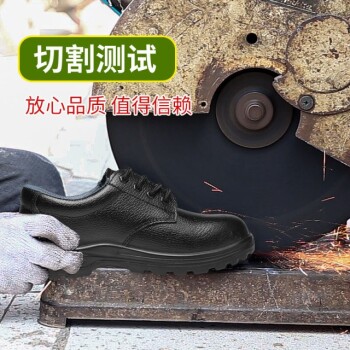
How Work Boot Safety Features Counteract Industry-Specific Workplace Hazards
1 year agoLearn how work boot safety features like puncture-resistant soles and composite toes protect against industry-specific hazards. Choose the right protection.
Learn More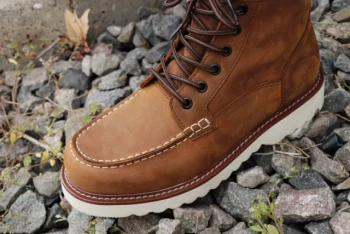
How Wide Toe Boxes in Work Boots Prevent Chronic Foot Injuries and Improve Workplace Safety
1 year agoDiscover how wide toe box work boots prevent chronic foot injuries and enhance workplace safety with ergonomic design and OSHA compliance.
Learn More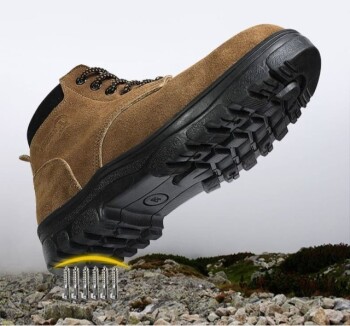
How Heeled Work Boots Enhance Safety and Reduce Fatigue in High-Risk Jobs
1 year agoDiscover how heeled work boots improve safety, reduce fatigue, and prevent injuries in high-risk jobs with biomechanical advantages.
Learn More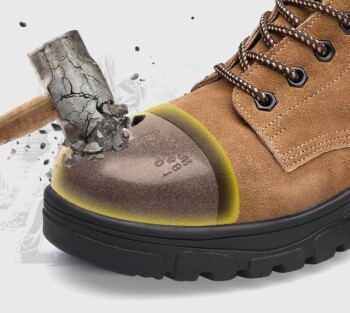
How to Choose Between Steel and Composite Toe Boots for Maximum Safety
1 year agoLearn the differences between steel and composite toe boots for optimal safety in construction, electrical work, and security. Choose wisely for your job hazards.
Learn More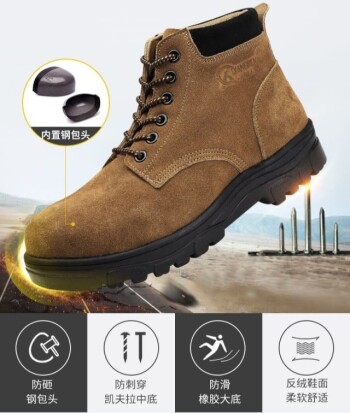
How Oilfield Boot Safety Standards Prevent Workplace Injuries: A Practical Guide
1 year agoLearn how OSHA, ASTM, and ANSI safety standards for oilfield boots prevent workplace injuries and how to choose compliant footwear.
Learn More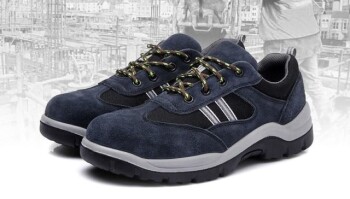
How to Choose Between Composite and Steel Toe Boots for Optimal Safety
1 year agoCompare composite vs steel toe boots for safety: lighter weight, electrical safety, or crush resistance. Choose based on OSHA standards & job hazards.
Learn More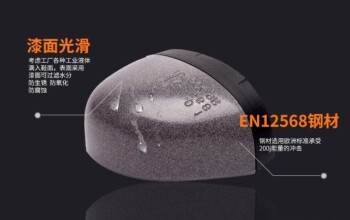
How to Choose the Right Toe Cap for Oilfield Work Boots: Safety Meets Comfort
1 year agoLearn how to choose the best toe cap for oilfield work boots—steel, composite, or aluminum—based on chemical exposure, electrical risks, and impact protection.
Learn More