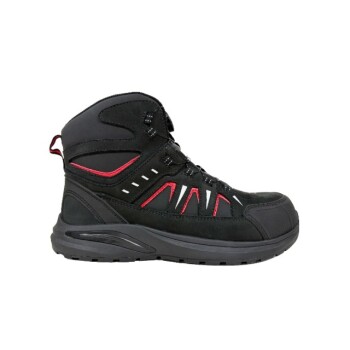
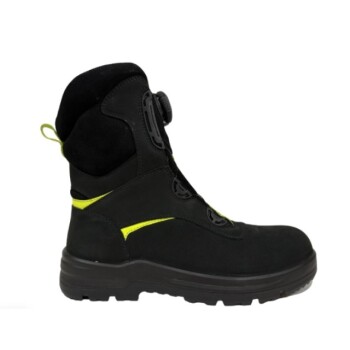
Impact-resistant toe protection is the primary mechanical barrier between a worker’s foot and catastrophic injury during the movement of heavy loads. During the mobilization and loading of massive structural components like girders, specific risks such as sling failure or falling steel cables create immediate hazards; safety shoes equipped with steel or composite caps are engineered to withstand these massive impact forces to prevent crushing injuries.
The mobilization of heavy structural parts involves dynamic risks where equipment failure can occur instantly. In this environment, impact-resistant footwear acts as the fundamental line of defense, absorbing kinetic energy from falling objects to ensure worker survivability.
The High-Stakes Environment of Loading
The Reality of Sling Failure
When mobilizing heavy components, the structural integrity of lifting equipment is tested.
If a sling fails or slips, heavy objects—such as girders or large steel parts—can fall unpredictably.
In these scenarios, there is often zero reaction time for the worker to move out of the danger zone.
The Danger of Peripheral Components
The risk is not limited to the primary load itself.
Heavy steel cables, shackles, and smaller structural components can also detach or fall during the loading process.
Even these smaller items carry enough mass and velocity to cause severe injury upon impact.
How Protective Technology Works
Withstanding Massive Impact Force
Industrial safety shoes are designed with a specific threshold for impact resistance.
Whether utilizing internal steel toes or composite material layers, the goal is to create a rigid shell.
This shell is tested to withstand the sudden, massive force of a dropped object without collapsing.
Preventing Crushing Injuries
The ultimate function of this technology is the prevention of crushing.
By absorbing the shock and maintaining its shape, the toe cap stops the weight from compressing the foot.
This effectively safeguards the toes, serving as a critical biological shield.
Understanding the Trade-offs
Weight and Fatigue
While steel toe boots offer a slimmer profile and high puncture resistance, they are physically heavier.
This added weight can lead to increased leg fatigue over long shifts, which may inadvertently reduce a worker's agility.
Composite Material Considerations
Composite toe caps are lighter and do not conduct cold, making them better for winter work or electrical hazards.
However, to achieve the same impact rating as steel, composite caps are often thicker and bulkier.
This can result in a larger shoe profile, which may be cumbersome in tight spaces.
Making the Right Choice for Your Safety Goals
Selecting the correct protective footwear requires balancing the specific hazards of the mobilization site with the needs of the worker.
- If your primary focus is maximum impact density: Prioritize steel toe protection for its proven ability to withstand the sharp, heavy impacts of structural steel and falling cables.
- If your primary focus is reducing fatigue: Opt for composite material protection, which provides comparable impact resistance with significantly less weight.
The right safety footwear transforms a potential medical emergency into a deflected impact, keeping the worker operational and safe.
Summary Table:
| Feature | Steel Toe Caps | Composite Toe Caps |
|---|---|---|
| Material | Carbon Steel | Carbon Fiber, Kevlar, or Plastic |
| Impact Protection | High (Slimmer Profile) | High (Bulkier Profile) |
| Weight | Heavier (May cause fatigue) | Lightweight (Reduced fatigue) |
| Thermal Conductivity | Conducts heat/cold | Non-conductive (Insulating) |
| Best For | Maximum impact density | Electrical hazards & cold weather |
Secure Your Workforce with 3515 High-Performance Safety Footwear
As a large-scale manufacturer serving global distributors and brand owners, 3515 specializes in providing robust safety solutions for high-stakes environments. From heavy-duty Safety Shoes engineered to withstand massive structural impacts to our comprehensive range of tactical boots, outdoor shoes, and formal dress footwear, we offer the production scale and quality assurance your business requires.
Why partner with 3515?
- Advanced Protection: Industry-leading steel and composite toe technologies.
- Bulk Capabilities: Reliable supply chains for large-scale distribution.
- Versatile Portfolio: One-stop manufacturing for all professional footwear types.
Ensure your team is equipped to handle the risks of heavy loading and mobilization. Contact us today to discuss your bulk requirements and custom production needs!
References
- Bayu Aninditya, Fitri Suryani. Implementation of the Hazard Identification, Risk Assessment and Risk Control (HIRARC) Method on Erection Girder Work of South Japek II Toll Road Construction Project Package 3. DOI: 10.58631/injurity.v2i9.127
This article is also based on technical information from 3515 Knowledge Base .
Related Products
- Wholesale Durable Safety Boots | Custom Steel Toe & Puncture-Resistant Manufacturing
- Premium Suede Sport Safety Shoes for Wholesale & Bulk Orders
- Puncture-Resistant Velcro Safety Boots for Wholesale & Custom Manufacturing
- Athletic Safety Shoes with Dial Closure & Steel Toe for Wholesale & Custom Manufacturing
- Wholesale Anti-Smash & Puncture-Proof Safety Shoes Custom Manufacturing for Brands
People Also Ask
- What materials are commonly used for outsoles in safety boots? A Guide to Durability, Grip, and Comfort
- What makes durable safety boots? The Ultimate Guide to Long-Lasting Work Footwear
- What are the key features of safety boots? Essential Protection for Hazardous Workplaces
- What are the risks of using ordinary rubber boots in forest clearing? Why professional safety boots are essential
- Why is proper storage important for safety boots? Preserve Protection and Extend Lifespan