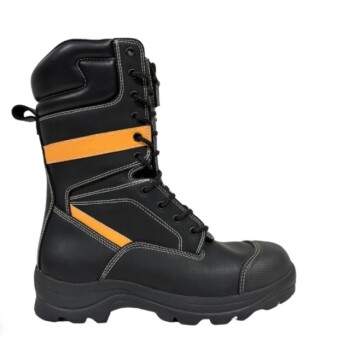
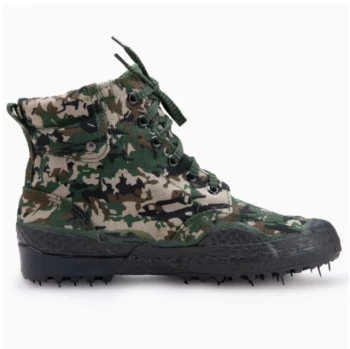
The 8-inch height requirement for wildland fire boots is a non-negotiable safety standard rooted in one primary purpose: providing critical structural support to the ankle. This design is specifically mandated to prevent the trips, falls, and debilitating sprains that are common when traversing the steep, unstable, and unpredictable terrain characteristic of a fireline.
The mandated 8-inch height is less about shielding from heat and more about creating a mechanical brace for the ankle. This transforms the boot from simple footwear into an essential piece of structural safety equipment, preventing the most common and mission-ending injuries in the field.
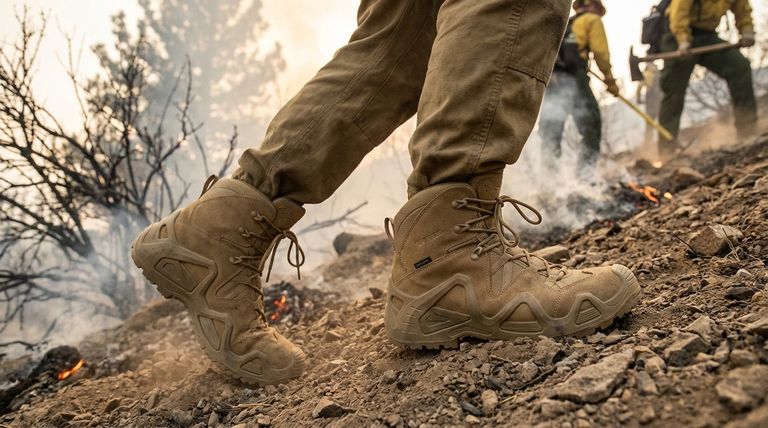
Why Ankle Integrity is Non-Negotiable
The environment of a wildland firefighter is inherently unstable. You are constantly moving over loose soil, rocks, and steep grades, often with poor visibility and while carrying heavy gear. In this context, a simple ankle roll can become a catastrophic failure.
The Boot as a Structural Brace
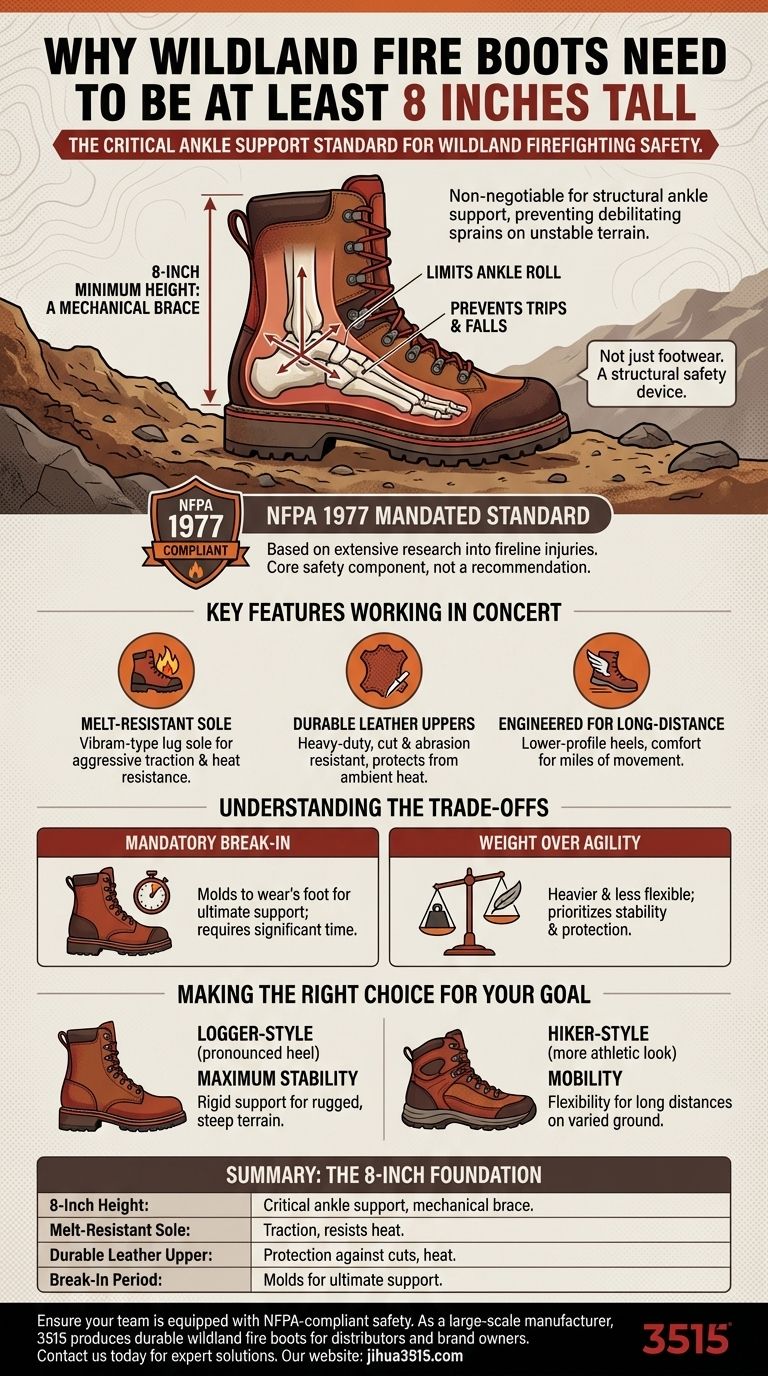
The minimum 8-inch height, measured from the bottom of the heel to the top of the boot, ensures the material extends well past the ankle joint. This height allows the boot to be laced tightly, effectively creating a rigid brace that severely limits the ankle's ability to roll inwards or outwards.
Preventing Trips and Falls
By stabilizing the foot and ankle, the boot allows a firefighter to maintain a more secure footing on uneven ground. This added stability is crucial for preventing the small stumbles that can lead to serious falls, especially when fatigue sets in during long shifts.
A Mandated Safety Standard
This requirement is not a recommendation; it is a core component of the NFPA 1977 standard, which governs protective clothing and equipment for wildland firefighting. This standard is based on extensive research into the most common causes of injury on the fireline.
Key Features Working in Concert with Height
While height is critical for stability, it is only one part of a complex safety system. Several other design features are required to work in unison to make the boot effective.
The Melt-Resistant Foundation
Wildland boots must have a melt-resistant Vibram-type sole. This is a specific type of heavy-duty rubber lug sole that serves two functions: providing aggressive traction on loose surfaces and resisting heat and melting when walking over hot ground or embers.
Durable, Heat-Resistant Materials
The uppers are constructed from thick, durable leather, often with the rough side out. This heavy-duty construction protects against ambient heat and direct contact with embers while also resisting cuts and abrasions from rocks and brush.
Engineered for Long-Distance Movement
Unlike structural firefighting boots, wildland boots are designed for miles of walking. They often feature lower-profile heels and designs borrowed from athletic or hiking footwear to enhance comfort and mobility over long operational periods.
Understanding the Trade-offs
This level of protection and support is the result of deliberate design compromises. Understanding these trade-offs is key to appreciating why these boots are built the way they are.
The Mandatory Break-In Period
A boot this rigid and durable is not comfortable out of the box. It requires a significant break-in period for the heavy leather and footbed to mold to the wearer's foot. This initial discomfort is a sign of a well-built, supportive boot designed to last.
Weight Over Agility
An 8-inch NFPA-compliant boot is significantly heavier and less flexible than a standard hiking boot. The design prioritizes ultimate stability and protection over the lightweight agility you might find in recreational footwear. This is a conscious trade-off for safety in a hazardous environment.
Making the Right Choice for Your Goal
The 8-inch standard is the baseline, but different styles exist to meet specific needs on the fireline.
- If your primary focus is maximum stability on steep, rugged terrain: The classic logger-style boot with a more pronounced heel provides the most rigid support and is a trusted standard.
- If your primary focus is mobility over long distances on varied ground: A hiker-style wildland boot meets the 8-inch requirement but offers more flexibility and a feel closer to modern hiking footwear.
- If your primary focus is simply meeting safety compliance: Understand that the 8-inch rule is the absolute minimum designed to protect you from the most prevalent risks of ankle and foot injury in the field.
Ultimately, the 8-inch height is the structural foundation upon which all other safety and performance features of a wildland fire boot depend.
Summary Table:
| Key Feature | Purpose |
|---|---|
| 8-Inch Height | Provides critical ankle support and acts as a mechanical brace. |
| Melt-Resistant Sole | Offers traction and resists heat from embers. |
| Durable Leather Upper | Protects against cuts, abrasions, and ambient heat. |
| Break-In Period | Ensures the boot molds to the foot for ultimate support. |
Ensure your team is equipped with NFPA-compliant safety. As a large-scale manufacturer, 3515 produces a comprehensive range of durable wildland fire boots for distributors, brand owners, and bulk clients. Our production capabilities ensure every boot meets the critical 8-inch height standard for maximum ankle protection. Contact us today to discuss your specific needs and benefit from our expert manufacturing solutions.
Visual Guide
Related Products
- High Performance Fire-Retardant Waterproof Safety Boots
- Premium Flame-Retardant Waterproof Safety Boots and Shoes
- Wholesale Lightweight Tactical Boots Custom Manufacturer for Desert & Combat Use
- Durable Military Combat Boots with Water Drainage for Wholesale & OEM
- Durable Leather Tactical Boots Wholesale & Custom Manufacturing for Brands
People Also Ask
- Why are waterproof safety boots recommended for certain work environments? Essential Protection for Wet & Hazardous Jobs
- What roles do 3D vision systems and industrial robots play in the manufacturing of fire safety boots? Smart Automation
- What are the primary benefits of incorporating waterproof technology into professional and outdoor boots? Boost Value
- How can you ensure your feet stay dry during winter walks? A Two-Part Defense System for Total Comfort
- What is the advantage of one-piece construction in waterproof boots? Unbeatable Seamless Protection