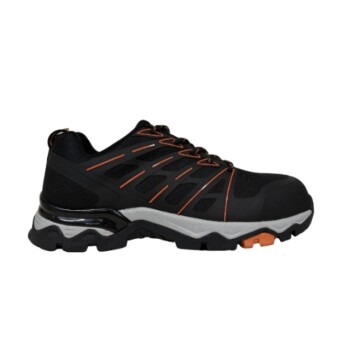
Professional safety shoes are a mandatory defense system designed to neutralize specific physical hazards inherent to construction environments. They provide engineered mechanical protection—specifically through puncture resistance, impact absorption, and specialized traction—that standard footwear is incapable of offering.
Construction sites present a high-risk combination of sharp debris, heavy loads, and unstable terrain. Professional safety shoes act as essential personal protective equipment (PPE), mitigating these specific threats to prevent debilitating injury and maintain operational mobility.
Engineering Defenses Against Physical Trauma
Mitigating Penetration Hazards
Construction surfaces are frequently littered with sharp, hazardous materials such as nails, steel scraps, and rebar.
Standard rubber soles offer little resistance to these threats. Professional safety shoes are equipped with specialized puncture-resistant midsoles. These internal shields prevent sharp objects from piercing through the bottom of the shoe and penetrating the foot.
Resisting Crushing Forces
The handling of heavy materials creates a constant risk of dropped objects.
To counter this, safety shoes feature hardened protective toe caps. These components are engineered to withstand significant impact and compression forces, preventing crushing injuries to the toes if heavy equipment or building materials are dropped.
Ensuring Stability on Complex Terrain
Construction sites rarely offer flat, clean walking surfaces; they are often wet, uneven, or cluttered.
Safety shoes utilize specialized slip-resistant outsoles. These are designed to maximize traction on complex surfaces, significantly reducing the frequency of slips and falls while improving the worker's overall mobility.
The Risk of Inadequate Footwear
The False Security of "Sturdy" Boots
It is a common error to assume that standard heavy-duty hiking or work boots provide sufficient protection.
While these boots may be durable, they often lack the certified crush ratings and puncture barriers of professional safety gear. Using non-specialized footwear leaves the worker vulnerable to the specific high-force impacts and penetration risks found on a job site.
Selecting the Right Protection for the Job
Choosing the correct footwear depends on the specific environmental hazards present on your site.
- If your primary focus is demolition or rough framing: Prioritize footwear with high-grade puncture-resistant midsoles to neutralize the threat of exposed nails and sharp scrap metal.
- If your primary focus is material handling or masonry: Ensure the footwear features reinforced, hardened toe caps to provide maximum defense against crushing injuries from heavy falling objects.
The right safety shoe transforms a hazardous worksite into a manageable environment, securing your safety without compromising your performance.
Summary Table:
| Feature | Protection Mechanism | Construction Site Benefit |
|---|---|---|
| Puncture-Resistant Midsole | Internal steel or composite shield | Prevents nails and sharp debris from piercing the foot |
| Hardened Toe Caps | Impact and compression-rated barriers | Protects toes from crushing by heavy falling materials |
| Slip-Resistant Outsoles | High-traction specialized tread | Ensures stability on wet, uneven, or cluttered surfaces |
| Engineered Durability | Industrial-grade materials | Long-term reliability in harsh environmental conditions |
Secure Your Bulk Supply with 3515 Footwear
As a large-scale manufacturer serving distributors and brand owners globally, 3515 offers comprehensive production capabilities to meet the rigorous demands of the construction industry.
Our flagship Safety Shoes series is engineered for maximum defense, providing the puncture resistance and impact protection your clients require. Beyond safety gear, our extensive portfolio includes work and tactical boots, outdoor shoes, training shoes, and dress & formal footwear to satisfy all your bulk procurement needs.
Partner with 3515 to deliver quality and safety to your market. Contact us today to discuss your manufacturing requirements!
References
- Risgiyanto Risgiyanto, Trisya Septiana. Penerapan Penggunaan Alat Pelindung Diri (APD) Sebagai Upaya Perlindungan Dalam Pelaksanaan Pembangunan Gedung Pemerintah di Pemerintahan Kabupaten Way Kanan. DOI: 10.23960/snip.v2i2.232
This article is also based on technical information from 3515 Knowledge Base .
Related Products
- Premium Suede Sport Safety Shoes for Wholesale & Bulk Orders
- Premium Lightweight Safety Shoes for Wholesale & Bulk Orders
- Wholesale Anti-Smash & Puncture-Proof Safety Shoes Custom Manufacturing for Brands
- Premium KPU Injection Athletic Style Safety Shoes
- Premium Safety Shoes with Rotating Buckle Safety Sneakers
People Also Ask
- What are the primary functions of professional safety shoes? Maximize Safety in Water Supply Confined Spaces
- What industries have specific OSHA footwear requirements? Ensure Compliance & Protect Your Workforce
- What role do specialized safety shoes play in preventing falls? Engineering Stability in Industrial Environments
- What are the main safety features of S1-S5 shoes? The 3 Essential Protections Explained
- What are the main components of safety shoes? A Guide to Protective Footwear Design