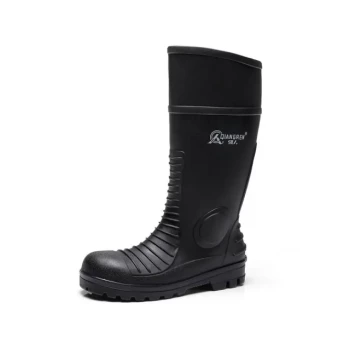
Industrial safety shoes function as the primary physical interface between personnel and the vertical infrastructure of sugar production facilities. In high-altitude zones like boiling and evaporation stations, they ensure worker stability through specialized high-friction outsoles engineered to grip metal gratings and ladder rungs.
The critical contribution of safety footwear in high-altitude environments is the combination of superior slip resistance and ergonomic stability. By securing traction on slick metal surfaces and reducing physical fatigue during climbs, these shoes prevent the loss of balance that leads to catastrophic falls.
Preventing Falls on Elevated Platforms
The primary risk during high-altitude inspections is the loss of traction on industrial surfaces. Safety footwear addresses this through specific design features tailored for vertical movement.
Securing Traction on Metal Surfaces
Sugar production lines frequently utilize metal gratings and multi-level ladders.
Industrial safety shoes feature high-friction outsoles specifically designed to interlock with these surfaces.
This specialized grip is the first line of defense against slipping on smooth rungs or walkways that may be slick from production humidity.
Maintaining Stability Through Ergonomics
Navigating multi-level production lines places significant physical stress on inspectors.
Safety shoes equipped with ergonomic support and impact-absorbing midsoles help mitigate this strain.
By reducing muscle fatigue in the legs and feet, these shoes help workers maintain the physical stamina required for balance and stability during extended climbs.
Protection Against Environmental Hazards
While gravity is the primary concern at height, the industrial environment itself poses additional physical threats to the feet.
Shielding Against Punctures
Walkways and platforms in sugar facilities can accumulate sharp debris, including rigid sugarcane remnants or maintenance materials like nails.
Safety shoes often incorporate metallic or composite midsoles to provide anti-puncture functions.
This ensures that sharp objects cannot penetrate the sole and injure the foot, allowing workers to move confidently across uncleaned surfaces.
Impact and Crush Resistance
Working on multi-level platforms increases the risk of interaction with heavy machinery or falling tools.
Reinforced toe caps, typically made of steel or composite materials, protect the feet from crushing injuries and heavy impacts.
This protection is vital when personnel are handling heavy raw materials or operating equipment in confined, elevated spaces.
Understanding the Trade-offs
Selecting the right safety footwear involves balancing maximum protection with the agility required for climbing.
Weight vs. Fatigue
Shoes offering maximum protection (steel toes and puncture-proof steel midsoles) are often heavier than standard footwear.
While they offer superior shielding, the added weight can increase leg fatigue during repetitive climbing tasks.
Operators must weigh the need for heavy-duty crush protection against the need for lightweight agility on ladders.
Rigidity vs. Tactile Feedback
Rigid soles are excellent for stability and serve as a solid platform for advanced technologies like pressure sensors or gait recognition.
However, extreme rigidity can reduce the "ground feel" that some workers rely on when navigating narrow ladder rungs.
A lack of tactile feedback can make it difficult to gauge foot placement on complex surfaces without looking down.
Making the Right Choice for Your Goal
To select the appropriate footwear for your specific inspection needs, consider the primary hazards of your station.
- If your primary focus is Vertical Climbing: Prioritize shoes with high-friction outsoles and lightweight, impact-absorbing midsoles to maximize grip and minimize fatigue.
- If your primary focus is Maintenance Zones: Select footwear with reinforced toe caps and metallic midsoles to protect against falling objects and sharp floor debris.
- If your primary focus is Electrical Safety: Ensure the footwear includes a dielectric layer to provide necessary insulation against shock hazards.
Effective safety at height requires balancing aggressive traction with the ergonomic comfort necessary to maintain focus.
Summary Table:
| Feature | Protection Benefit | High-Altitude Advantage |
|---|---|---|
| High-Friction Outsoles | Prevents slips on metal/slick surfaces | Ensures secure grip on ladder rungs and gratings |
| Reinforced Toe Caps | Impact & crush resistance | Protects against falling tools or heavy machinery |
| Puncture-Proof Midsoles | Guards against sharp debris | Enables confident movement across uncleaned walkways |
| Impact-Absorbing Midsoles | Reduces muscular fatigue | Maintains worker balance and focus during long climbs |
Partner with 3515 for Professional-Grade Safety Footwear
As a large-scale manufacturer serving distributors and brand owners worldwide, 3515 offers comprehensive production capabilities for all footwear types. We specialize in our flagship Safety Shoes series, engineered specifically to withstand the rigorous demands of industrial environments like sugar production and high-altitude inspections.
Our extensive portfolio covers:
- Work & Tactical Boots for maximum durability.
- Safety Shoes with high-friction outsoles and puncture resistance.
- Outdoor & Training Shoes for agility and support.
- Dress & Formal Shoes to meet diverse bulk requirements.
Boost your inventory with footwear that combines superior traction, ergonomic stability, and rugged protection. Contact us today to discuss your bulk requirements and see how our manufacturing expertise can bring value to your brand.
References
- Nidya Shara Mahardika, Nindia Furqidatul Hasanah. Identifikasi Potensi Bahaya pada Proses Produksi di Pabrik Gula Pradjekan Kabupaten Bondowoso. DOI: 10.25047/jmaa.v2i2.58
This article is also based on technical information from 3515 Knowledge Base .
Related Products
- Wholesale Mesh Steel Toe Safety Shoes with Dial Closure Factory Production
- Wholesale Anti-Smash & Puncture-Proof Safety Shoes Custom Manufacturing for Brands
- Premium Wheat Nubuck Safety Shoes for Bulk Distribution
- Durable Steel Toe Safety Boots Wholesale & Custom Manufacturing
- Premium Waterproof High-Cut Industrial Safety Boots for Wholesale and Bulk Orders
People Also Ask
- What type of safety shoe is recommended for workers exposed to heavy machinery? Steel Toe Boots for Ultimate Protection
- Why is it mandatory to wear safety shoes with steel toe protection during metal loading? Prevent Crushing Injuries
- What are the main materials used in steel toe safety shoes? A Guide to Protective Footwear Construction
- Is the myth about steel toe shoes cutting off toes true? Debunking the Safety Footwear Myth
- Why are steel toes popular in safety footwear? The Ultimate Guide to Heavy-Duty Protection